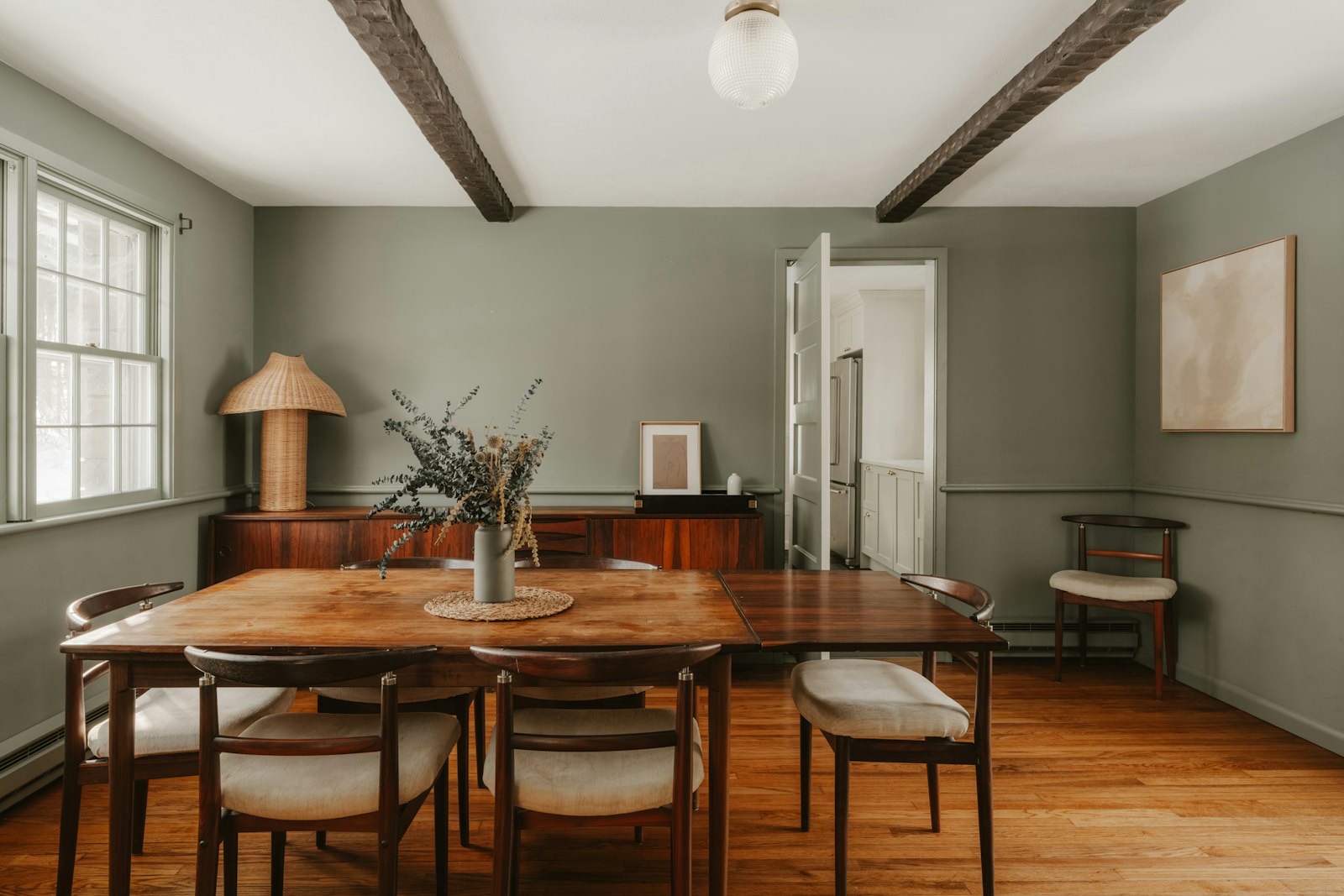
Buffet, sideboard, server, hutch, china cabinet. Five words used almost interchangeably by retailers for pieces that are genuinely different heights and do genuinely different jobs.
The confusion matters because height determines whether you can actually serve from the top, and depth determines whether the room still works around it.
Here is what each one is, what it holds, and which your dining room actually needs.
The Five Pieces, Sorted Out
| Piece | Height | Width | Depth | Defining feature |
|---|---|---|---|---|
| Buffet | 30–36″ | 48–72″ | 16–20″ | Low; built as a serving surface |
| Sideboard | 34–40″ | 48–72″ | 16–20″ | Same idea, slightly taller and more furniture-like |
| Server | 32–38″ | 36–48″ | 16–18″ | Smaller and more formal than a buffet |
| Hutch | 70–84″ overall | 48–72″ | 16–20″ | A buffet with an upper unit added on top |
| China cabinet | 70–84″ | 40–60″ | 16–20″ | Glass-fronted display, usually lit |
The practical division is simple. Buffets, sideboards and servers are low pieces with a usable top. Hutches and china cabinets are tall pieces built to display, and their tops are out of reach.
If you want to set food out during a meal, buy something 30 to 36 inches high. Serving from anything taller means reaching above counter height with a hot dish.
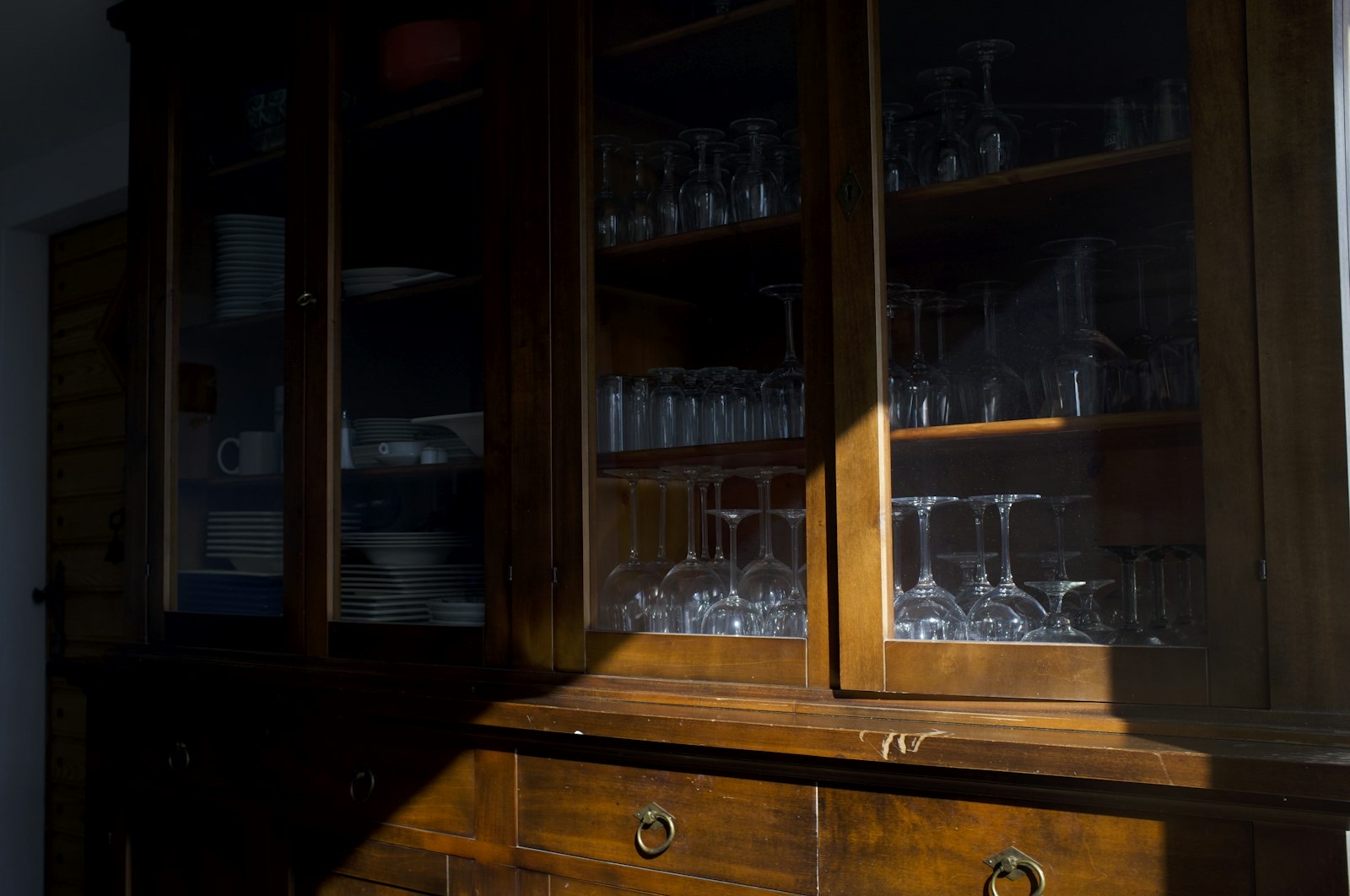
Which One Do You Need?
| What you want | Buy | Why |
|---|---|---|
| Somewhere to serve from | Buffet, 30–36″ | Counter-height top you can reach across |
| Linen, cutlery and everyday storage | Sideboard | Drawers plus cupboards; no display pressure |
| To display inherited china | China cabinet | Glass doors keep dust off while showing the collection |
| Both, in one piece | Hutch | Storage below, display above — but it dominates a wall |
| A small dining room | Server | Narrower footprint; still gives a serving surface |
| Storage that is not obviously dining furniture | Accent cabinet | Reads as decor; covered in our accent cabinet guide |
A hutch is the most storage per square foot of floor, and the hardest to place. At seven feet tall against a dining room wall it becomes the dominant object in the room, which is fine if that is the intention.
If enclosed storage without the dining-room look is what you want, our accent cabinet guide covers the lower, more decorative alternatives.
Will It Fit the Room?
Dining storage competes for floor space with the one thing that cannot move: the chairs.
- Allow 36 inches behind dining chairs before the cabinet begins
- Add the cabinet depth on top of that — usually 16 to 20 inches
- A 16-inch sideboard against a wall therefore needs roughly 52 inches from the table edge
- Check drawer and door swing; a deep drawer needs 24 inches of clear floor
- For a hutch, measure ceiling height as well — 84 inches plus crown moulding is tight in an 8-foot room
That arithmetic is why small dining rooms end up with servers rather than buffets. Our dining table size guide covers the clearances around the table itself, and our dining chair guide covers what happens when chairs are pulled out.
Displaying China Properly
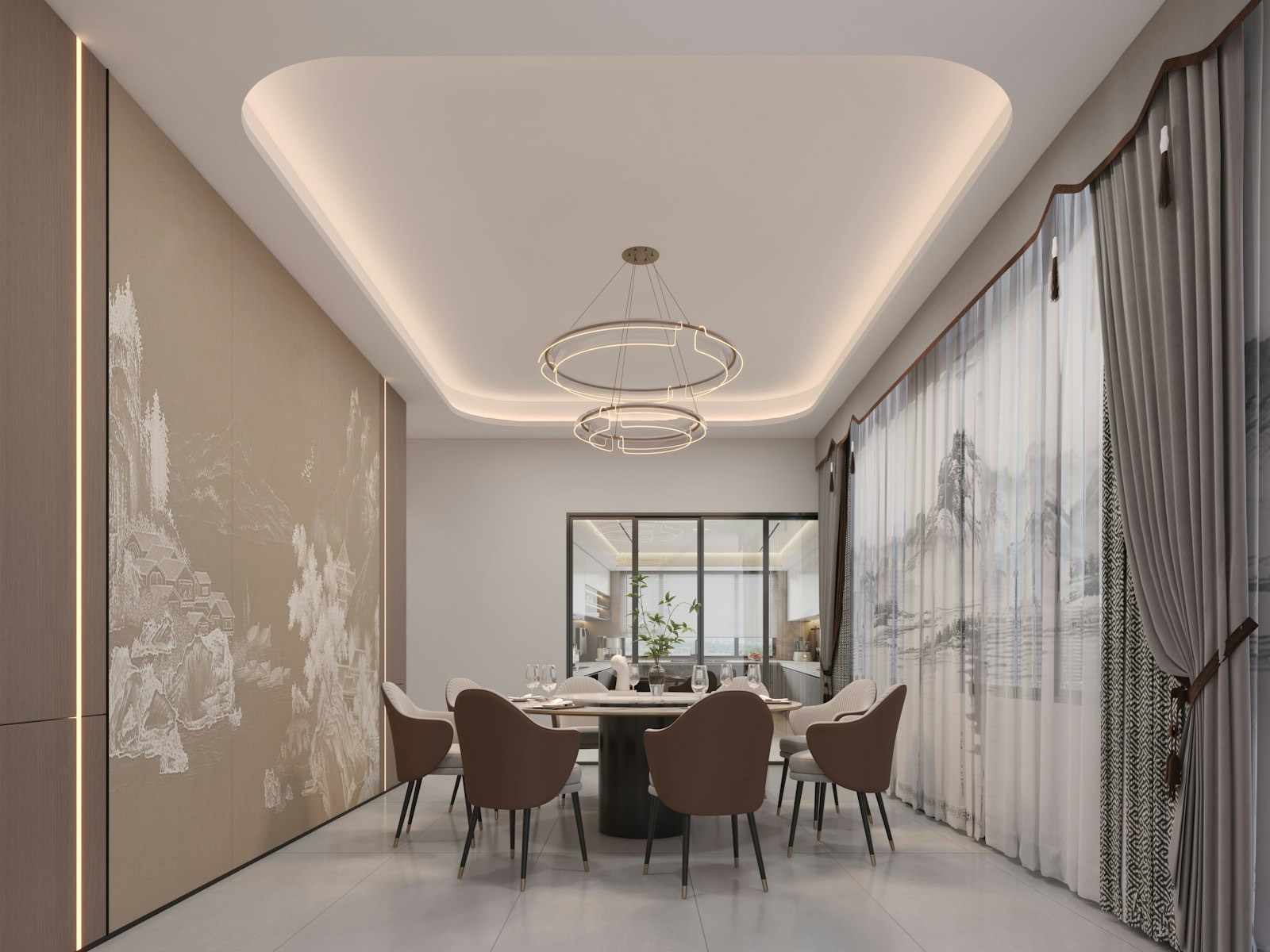
A china cabinet exists to be looked into, which makes a few details worth paying for.
- Interior lighting — the back of a deep cabinet is dark without it
- Glass shelves let light travel down; wooden shelves block it at each level
- Adjustable shelf heights, since platters and stemware need very different clearances
- Plate grooves at the back to stand plates upright without slipping
- Mirrored back panel to double the apparent depth and bounce light forward
- Felt or rubber shelf liners to stop pieces sliding when doors close
Keep the cabinet out of direct sunlight. UV fades decorative glazes and printed patterns over years, and it is the one form of damage that cannot be undone.
Display pieces versus tableware
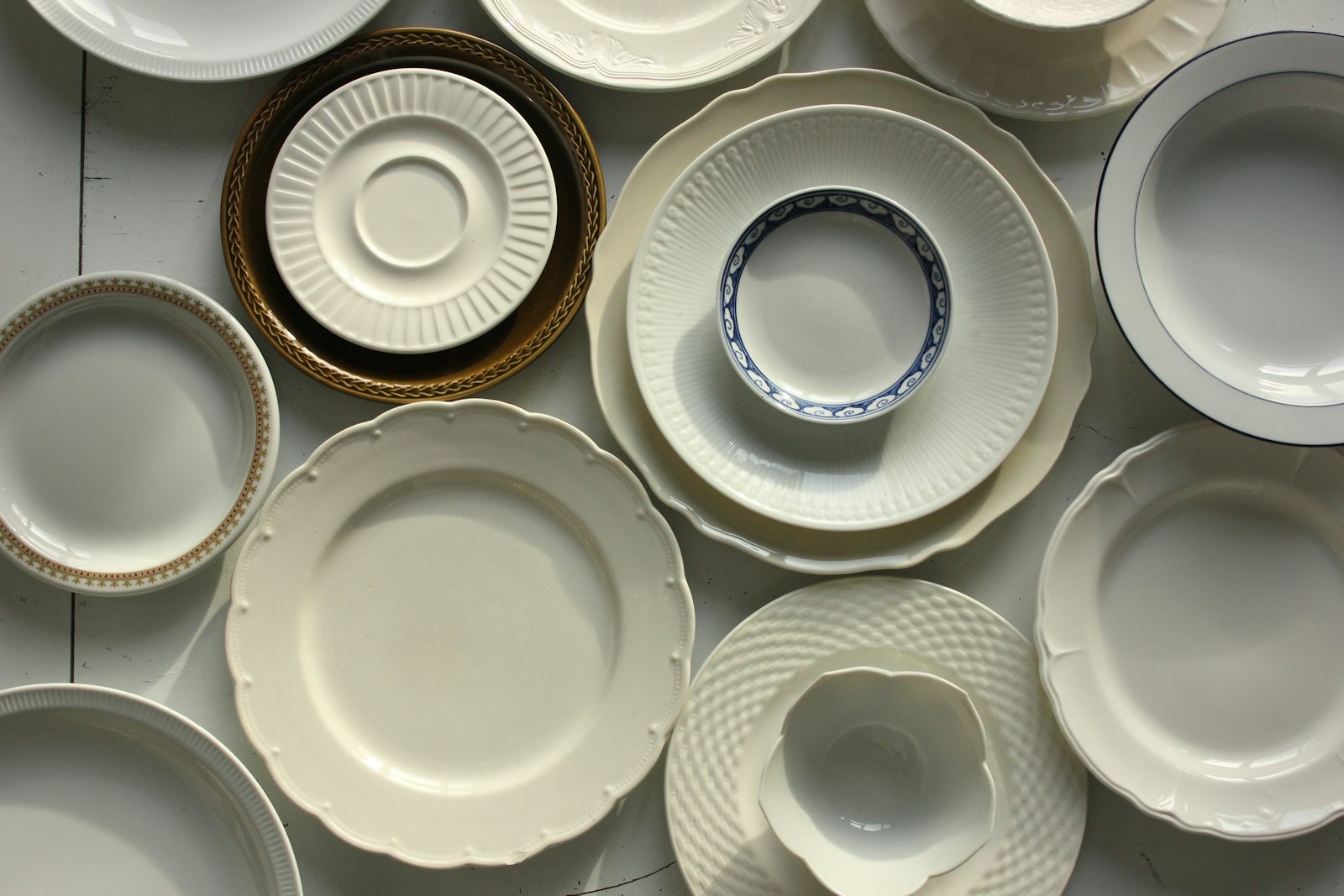
One thing worth knowing if you inherit china: decorative, antique and some imported ceramics are not always intended for food use, and older glazes can leach lead.
Pieces marked “decorative only” or “not for food use” belong behind glass rather than on the table. FDA consumer guidance covers ceramic tableware safety, and it is worth a look before serving from a hand-painted heirloom.
Styling the Top
A buffet or sideboard top is prime display space and the easiest surface in a house to clutter.
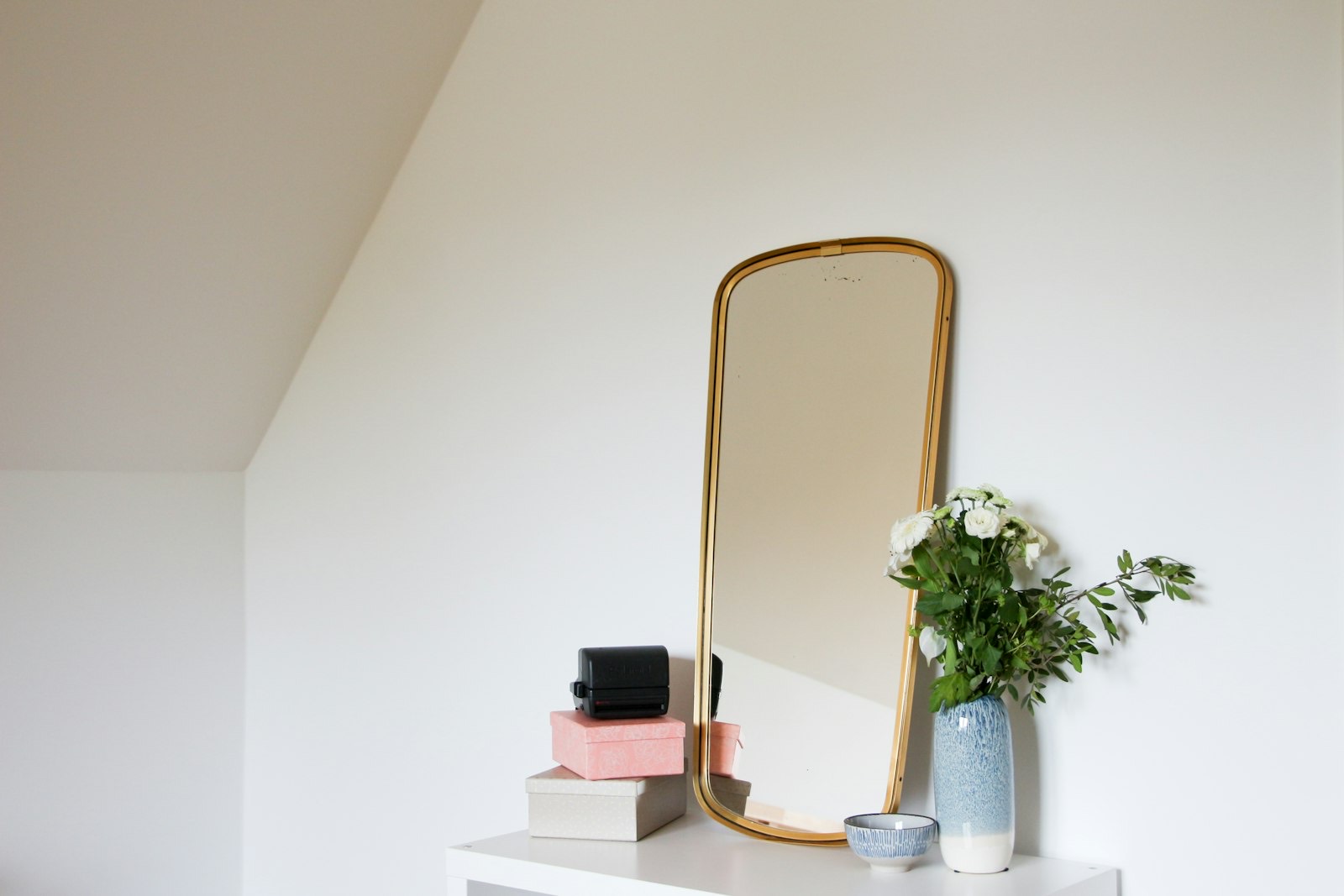
- Hang a mirror or artwork above it, sized 25–50% narrower than the piece
- Anchor one end with height — a lamp or a tall vase
- Leave the centre clear if you genuinely serve from it
- A pair of lamps flanking a mirror is the most reliable formal arrangement
- Keep everyday clutter in the drawers, not on the surface
Our wall mirror sizing guide covers the proportions above a sideboard, and the home lighting guide covers lamp heights for a dining room.
What Goes Inside
Dining storage works best when each type of item has an obvious home, rather than everything competing for the same cupboard.
| Storage type | Best for | Look for |
|---|---|---|
| Shallow top drawers | Cutlery, serving utensils, napkin rings | Felt lining to stop rattling and scratching |
| Deep lower drawers | Table linen, placemats, runners | Enough depth to avoid creasing tablecloths |
| Cupboards with shelves | Platters, serving bowls, tureens | Adjustable shelves for tall items |
| Glass upper section | China, stemware, decorative pieces | Interior light and plate grooves |
| Wine storage | Bottles stored on their side | Away from heat and vibration |
Table linen is the item most people forget to plan for. Tablecloths need a drawer deep enough to lie flat, and folding them into a shallow one produces creases that never quite press out.
Frequently Asked Questions
What is the difference between a buffet and a sideboard?
Very little in practice. A buffet is traditionally lower at 30 to 36 inches and built for serving; a sideboard runs slightly taller at 34 to 40 and leans toward everyday storage. Retailers use both terms loosely.
What is a hutch?
A buffet or sideboard with an upper cabinet added on top, usually with glass doors. It gives you enclosed storage below and display above, at 70 to 84 inches overall.
How much space do I need behind dining chairs for a sideboard?
Allow 36 inches for pulled-out chairs, then add the cabinet depth. A 16-inch sideboard needs roughly 52 inches of clear space measured from the table edge.
Are china cabinets outdated?
Full formal hutches are less common than they were, but glass-fronted display cabinets remain popular — often used for glassware, ceramics or books rather than a formal china service.
Can a sideboard be used outside a dining room?
Very effectively. The same proportions work as a media console beneath a wall-mounted television, as hallway storage, or as a home bar — all covered in our related guides.
Measure From the Table, Not the Wall
The number that decides this purchase is the distance from your table edge to the wall. Everything else follows from it.
Our dining room furniture range in Newport News includes buffets, servers, sideboards and china cabinets alongside the tables and chairs they sit with.
Planning the room as a whole? See our dining table size guide, dining chair guide and area rug sizing.
Using the piece for drinks instead? Our home bar and wine storage guide covers sideboards used as bars, and our furniture care guide covers looking after wood and glass in a humid climate.
Check clearance and specials, spread the cost with no-credit furniture financing, and see our delivery guide — hutches arrive in two heavy sections. Ask our Newport News team about ceiling clearance before ordering.