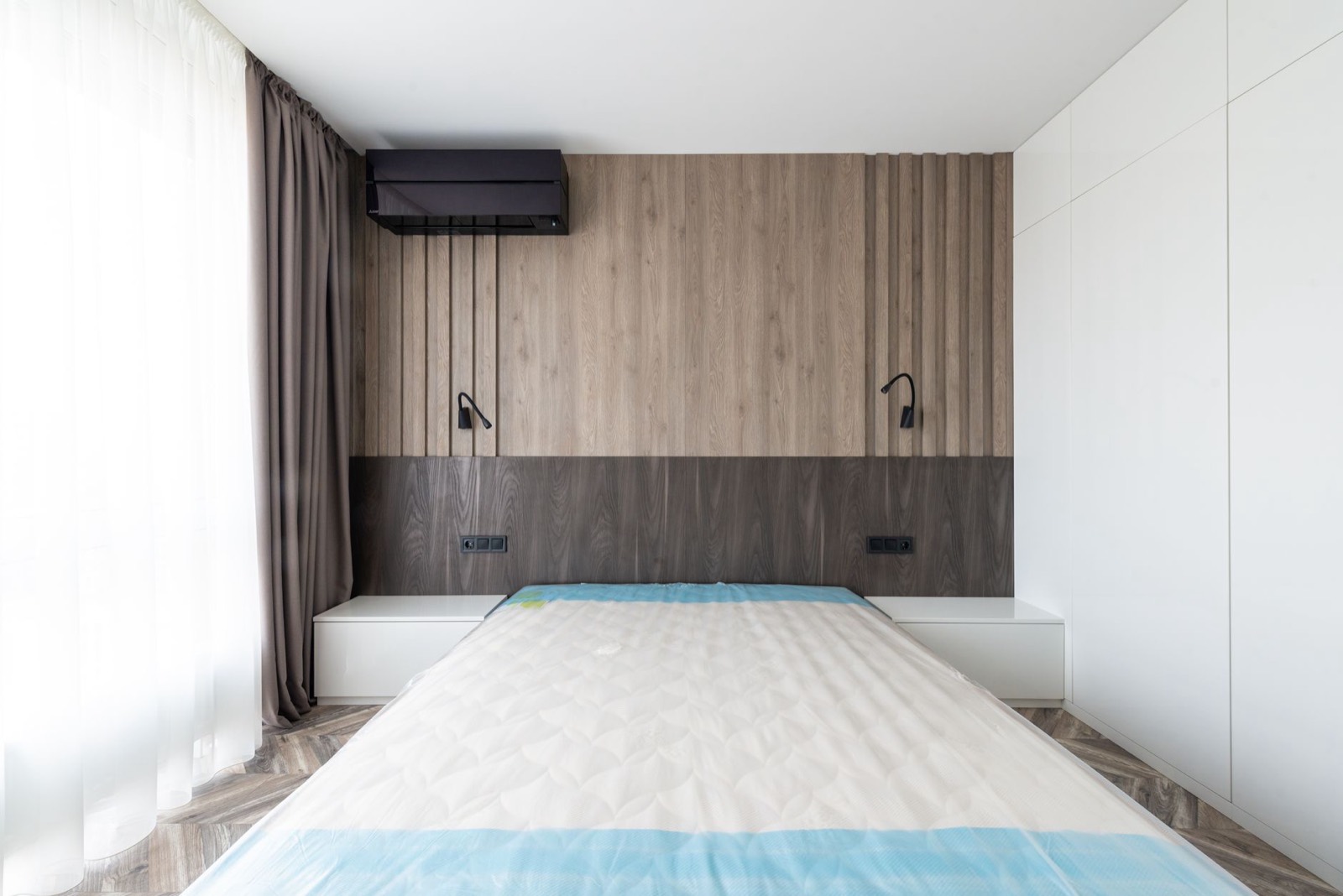
A futon mattress is the part people skimp on and then blame the frame for. The frame folds; the mattress is what you actually sleep on.
Two things decide whether it is comfortable: what is inside it, and how thick it is relative to the frame it has to bend around.
Here is how the fill types compare, what thickness to buy, and how futon sizes differ from standard mattress sizes.
Fill Types Compared
| Fill | Feel | Folds well? | Best for |
|---|---|---|---|
| All-cotton | Firm, becomes firmer | Excellent | Daily folding; traditional feel |
| Cotton and foam | Medium, some give | Good | The common all-round choice |
| Foam core | Softer, more cushioned | Fair | Mostly-sleeping use |
| Innerspring | Closest to a real mattress | Poor | A futon left flat as a bed |
| Memory foam top | Contouring, warm | Fair | Guest use; side sleepers |
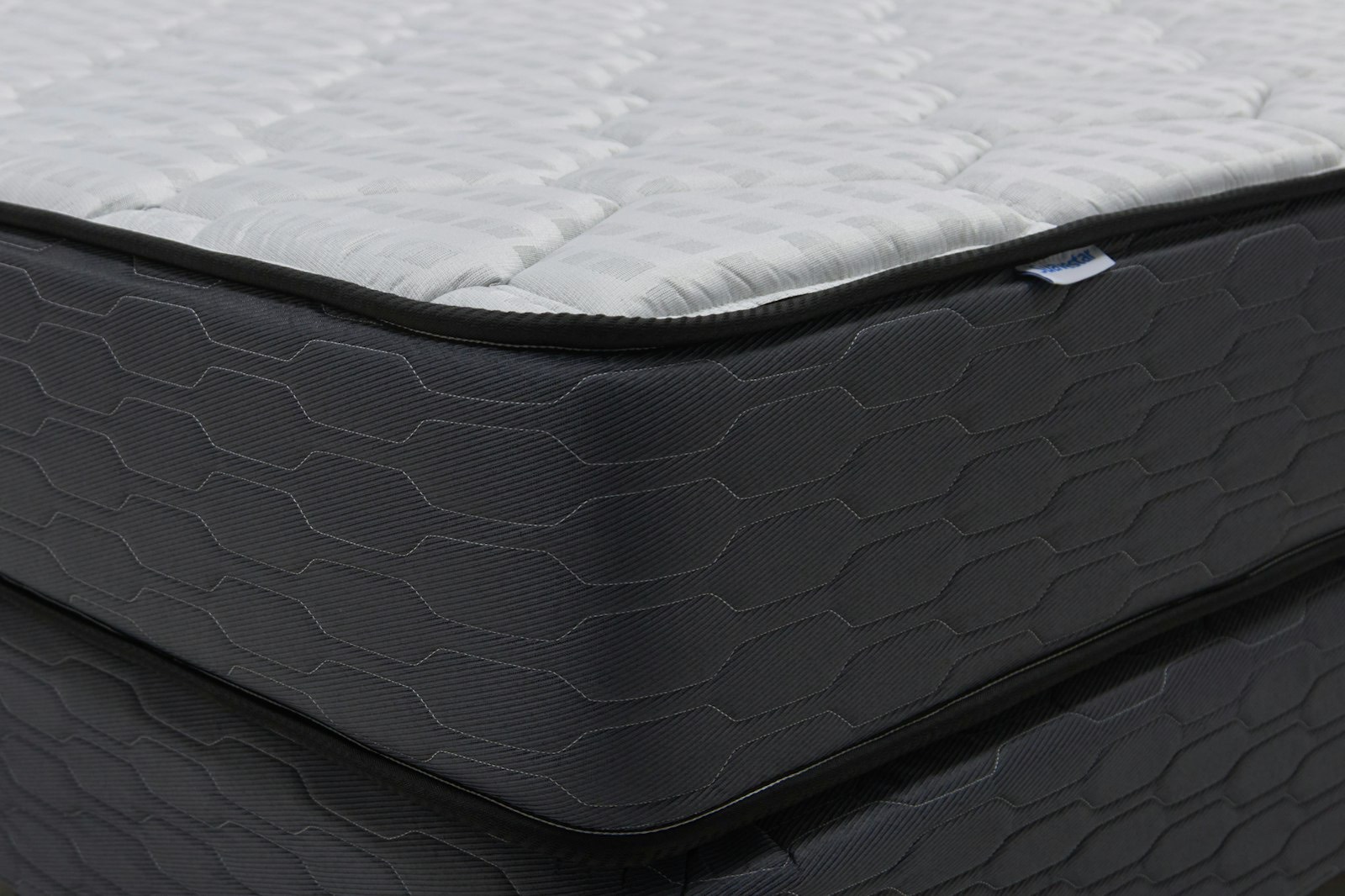
The pattern is consistent: the better it folds, the firmer it sleeps. All-cotton is the traditional choice and compresses over time into something genuinely hard.
Innerspring futon mattresses sleep best and fold worst. If the futon spends most of its life flat as a bed, that is the right trade — if it is folded into a sofa every morning, the springs will not survive it.
Our mattress construction guide covers how these same materials behave in a full-size bed.

Thickness: Match It to the Frame
| Thickness | Use | Note |
|---|---|---|
| 4–6″ | Occasional guest use; floor futons | You will feel the slats |
| 6–8″ | The standard for folding frames | Best balance of comfort and fold |
| 8–10″ | Frequent sleeping; bifold frames only | Check the frame is rated for it |
| 10″+ | Flat use as a primary bed | Most folding frames will not close |
Eight inches is the practical ceiling for a frame that folds daily. Beyond that the mattress fights the mechanism, the frame strains, and the sofa position stops looking like a sofa.
Check the frame’s stated maximum before buying the mattress. Frames specify a thickness range, and exceeding it is the most common cause of a futon that will not close properly.
Futon Sizes Are Not Mattress Sizes
| Futon size | Dimensions | Standard mattress equivalent |
|---|---|---|
| Twin | 39″ × 75″ | Same as a twin mattress |
| Twin XL | 39″ × 80″ | Same as a twin XL |
| Full | 54″ × 75″ | Same as a full |
| Queen | 60″ × 80″ | Same as a queen |
| Loveseat | 54″ × 54″ | No equivalent — futon only |
| Chair | 28″ × 54″ | No equivalent — futon only |
The main sizes match standard mattresses, which means standard sheets fit. The loveseat and chair sizes do not exist outside futons, and finding fitted sheets for them is genuinely difficult.
Full is by far the most common futon size, because a full folds into a sofa of sensible depth. A queen futon makes a deep, slightly awkward sofa.
Measure the frame rather than trusting the label. Futon frames are built to the mattress, so an inch of difference either way shows as sag at the edges or a mattress that will not sit flat.
Our mattress size chart covers the standard dimensions, and our bedding guide covers sheets deep enough for a thick futon mattress.

Care, Flipping and Flammability
- Rotate and flip every one to three months. Cotton fill compresses unevenly and permanently if you do not
- Air it in sunlight occasionally — cotton fill holds moisture
- Use a fitted cover; futon mattresses are difficult to clean and rarely have removable covers
- Do not leave it folded for weeks at a time — it sets a crease into the fill
- Vacuum the surface when you rotate it
Flipping matters more here than on a conventional mattress. Cotton batting has no support core to spring back, so a spot slept in nightly becomes a permanent dip within a year.
Mattresses sold in the United States, futon mattresses included, must meet the federal open-flame flammability standard set out in 16 CFR Part 1633. Anything sold as an unregulated “cushion” or “pad” is not covered by it.
A protector helps considerably given how hard futon mattresses are to clean — our protector and topper guide covers the difference, and a topper is also the cheapest way to soften a cotton futon that has gone hard.

What a Futon Mattress Is Not Good At
Worth saying plainly, because the honest limits are what decide whether a futon is the right purchase at all.
| Limitation | Why | Workaround |
|---|---|---|
| Edge support | No perimeter structure at all | Sleep toward the middle |
| Long-term nightly use | Fill compresses without a support core | Rotate often; replace every 5–8 years |
| Heavier sleepers | Thin fill bottoms out onto the slats | Buy 8″ innerspring and keep it flat |
| Deep cleaning | Cannot be washed or spot-treated well | Use a removable cover from day one |
Bottoming out is the complaint to take seriously. If you can feel the frame slats through the mattress, the fill is too thin for the weight on it, and no topper will fix that.
For a room where someone sleeps every night rather than occasionally, a conventional bed is the better purchase — our bed frame guide covers the compact options.
Frequently Asked Questions
How thick should a futon mattress be?
Six to eight inches for a frame that folds daily, which is the best balance of comfort and folding. Go thicker only if the futon stays flat as a bed, and check the frame’s stated maximum first.
What size is a twin futon mattress?
Thirty-nine by seventy-five inches, the same as a standard twin mattress, so ordinary twin sheets fit. Twin XL futons are 39 by 80 inches.
Which futon mattress fill is most comfortable?
Innerspring sleeps closest to a real mattress, but it folds badly. For a futon that converts every day, cotton and foam is the practical choice; for one that stays flat, choose innerspring.
How often should I flip a futon mattress?
Every one to three months, rotating end to end as well as flipping over. Cotton fill compresses permanently where it is slept on, and rotation is the only thing that prevents a dip.
Can I use a regular mattress on a futon frame?
Only on a frame that stays flat. A conventional mattress has an edge structure that will not bend, so it will not fold into the sofa position and will damage the frame if forced.
Buy for How You Will Use It
Folded daily, buy thinner and firmer. Left flat as a bed, buy thicker and softer. Almost every futon mattress complaint traces back to buying for the wrong one of those two lives.
Our mattress range in Newport News covers futon mattresses, protectors and toppers, and our living room range covers the frames.
Still choosing the furniture? Compare sleeper sofas, futons and daybeds, and see our guest room checklist for what else the room needs.
Futons suit tight spaces — see our guides to dorm furniture and furnishing a first apartment. If a bunkie board is what you actually need under a thin mattress, our bunkie board guide explains the difference.
Check clearance and specials, spread the cost with no-credit furniture financing, or ask our Newport News team which thickness your frame takes.