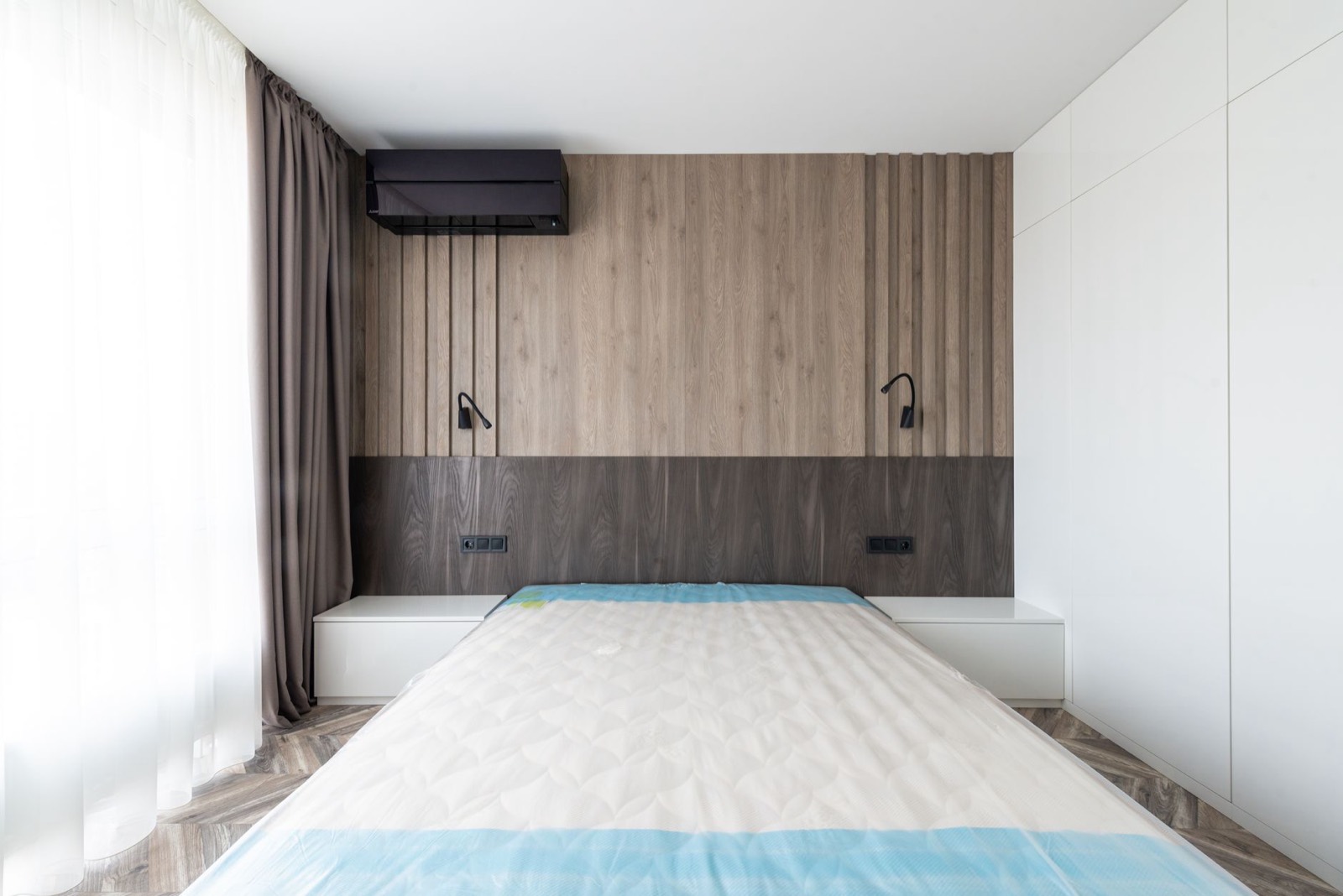
Protector, pad, topper, encasement. Four products that sit in the same place on a bed, sold interchangeably, doing four genuinely different jobs.
Buying the wrong one is why people end up with a mattress that still feels too firm, or a warranty claim that gets refused over a stain.
Here is what each one actually does, and which problem it solves.
The Four Layers Compared
| Protector | Pad | Topper | Encasement | |
|---|---|---|---|---|
| Thickness | Under ½″ | 1–4″ | 2–3″ | Under ½″ |
| Changes the feel? | No | Slightly softer | Substantially | No |
| Guards against spills | Yes, if waterproof | Partly | No | Yes |
| Covers | Top and sides | Top surface | Top surface | All six sides, zipped |
| Main purpose | Protect the mattress | Light added comfort | Change firmness | Seal the mattress completely |
The distinction that matters most: a protector preserves the mattress you have, a topper changes how it feels. They are not substitutes for one another, and plenty of beds benefit from both.
An encasement is the specialist option — fully zipped around all six sides, used where complete sealing matters rather than everyday spill protection.

Which One Solves Your Problem
| Your issue | Buy | Why |
|---|---|---|
| “My mattress is too firm” | Topper, 2–3″ | Only a topper meaningfully changes firmness |
| “I want to protect a new mattress” | Waterproof protector | Warranties are commonly voided by staining |
| “I sleep hot” | Gel or latex topper; breathable protector | Avoid dense foam and plastic-backed covers |
| “Children or pets on the bed” | Waterproof protector | Spills reach the core within seconds otherwise |
| “Allergies” | Tightly woven protector or encasement | Creates a barrier at the sleep surface |
| “My mattress sags” | Neither — check the base | A topper masks sagging; it does not fix it |
That last row is worth dwelling on. A topper over a sagging mattress feels better for a few weeks and then follows the dip underneath. If the mattress or its support has failed, our guides to bunkie boards and foundations and mattress construction address the actual cause.
Allergies and Dust Mites
Mattresses accumulate skin cells, and dust mites feed on them. A tightly woven protector or a full encasement puts a physical barrier between that and you.
- Look for a tight weave or a stated allergen barrier rather than just “hypoallergenic”
- Encasements seal all six sides, which protectors do not
- Wash bedding and the protector regularly in hot water
- Keep bedroom humidity moderate — mites thrive in damp air
- Pillows benefit from the same treatment as the mattress
Bedding is one part of managing allergies rather than a treatment in itself. The Asthma and Allergy Foundation of America publishes evidence-based guidance, and persistent symptoms are worth discussing with a doctor rather than solving through purchases alone.
The humidity point matters locally. Hampton Roads summers keep indoor moisture high unless it is actively managed, and that is the condition dust mites prefer.
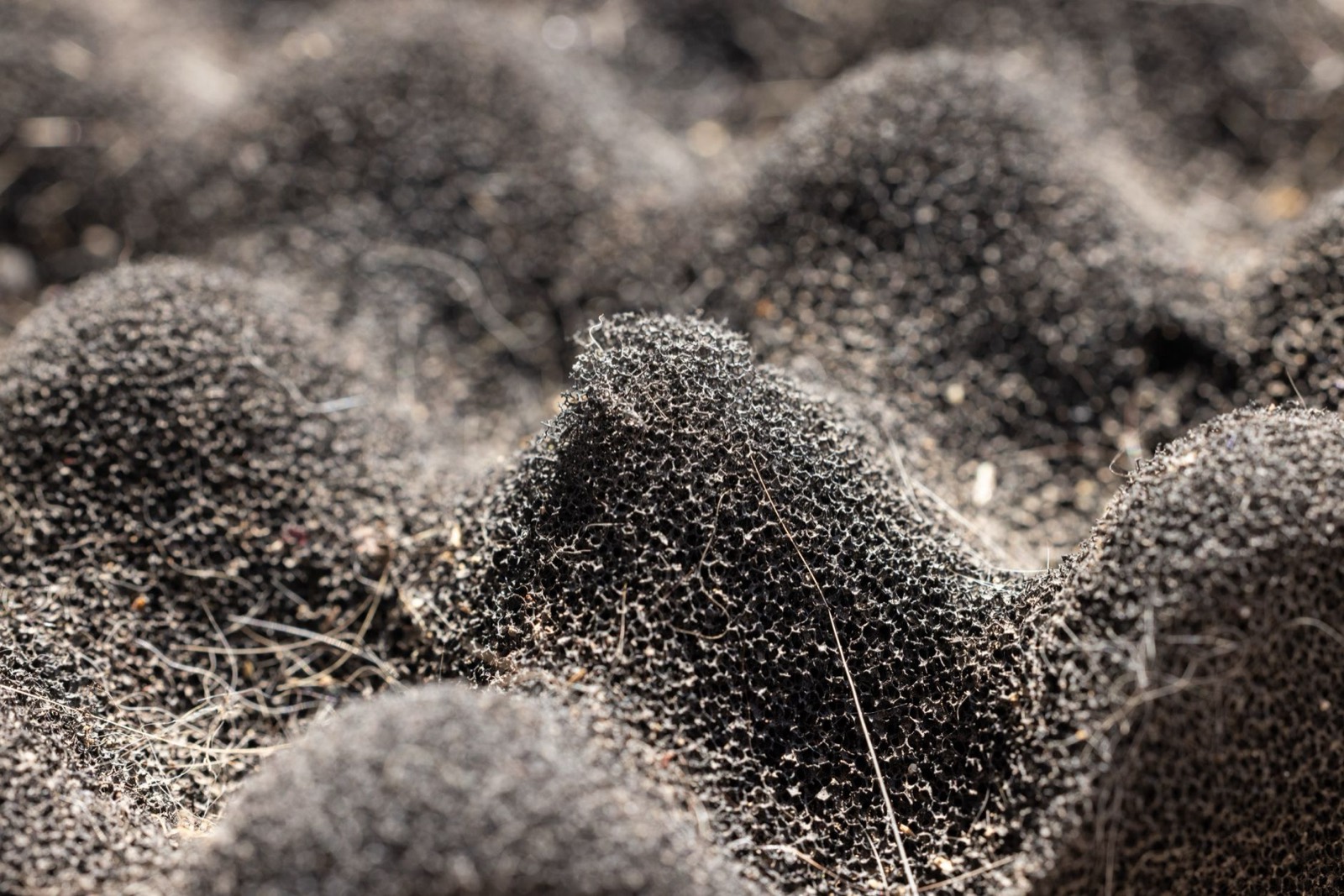
Topper Materials
| Material | Feel | Sleeps | Lifespan |
|---|---|---|---|
| Memory foam | Contouring, deep sink | Warmest | 3–5 years |
| Gel memory foam | Contouring, cooler | Neutral | 3–5 years |
| Latex | Responsive, springy | Coolest | 5–10 years |
| Down / feather | Soft and plush | Warm | 2–4 years; needs regular fluffing |
| Wool | Firm, breathable | Regulates well | 5+ years |
Two inches is enough to soften a firm mattress noticeably. Three inches changes the feel substantially — and if you need more than that, the mattress itself is probably wrong for you.
Washing and Replacing
These layers only work if they are actually maintained, and each has different requirements.
| Item | Wash | Replace | Note |
|---|---|---|---|
| Protector | Every 1–2 months | 1–2 years | Tumble low; high heat destroys the waterproof membrane |
| Pad | Every 1–2 months | 2–3 years | Check it fits the machine before buying |
| Foam topper | Spot clean only | 3–5 years | Never machine wash foam — it tears apart |
| Down topper | Per the label; often professional | 2–4 years | Needs regular fluffing to stay even |
The heat point on protectors catches people out. A waterproof membrane that has been through a hot dryer stops being waterproof, usually without any visible sign that it has failed.
Foam toppers are the other common casualty. Machine washing tears the structure apart internally even when the cover survives, so spot cleaning and a washable protector over the top is the only sensible approach.
Airing out a new topper
Foam toppers arrive compressed and vacuum-sealed, and they carry a distinct smell for the first few days. This is normal off-gassing rather than a defect.
Unroll it in a well-ventilated room and leave it uncovered for at least 24 to 48 hours before putting bedding over it. Allow the full time for it to expand to its stated thickness too — measuring it straight out of the packaging will always disappoint.

Sizing and Sheets
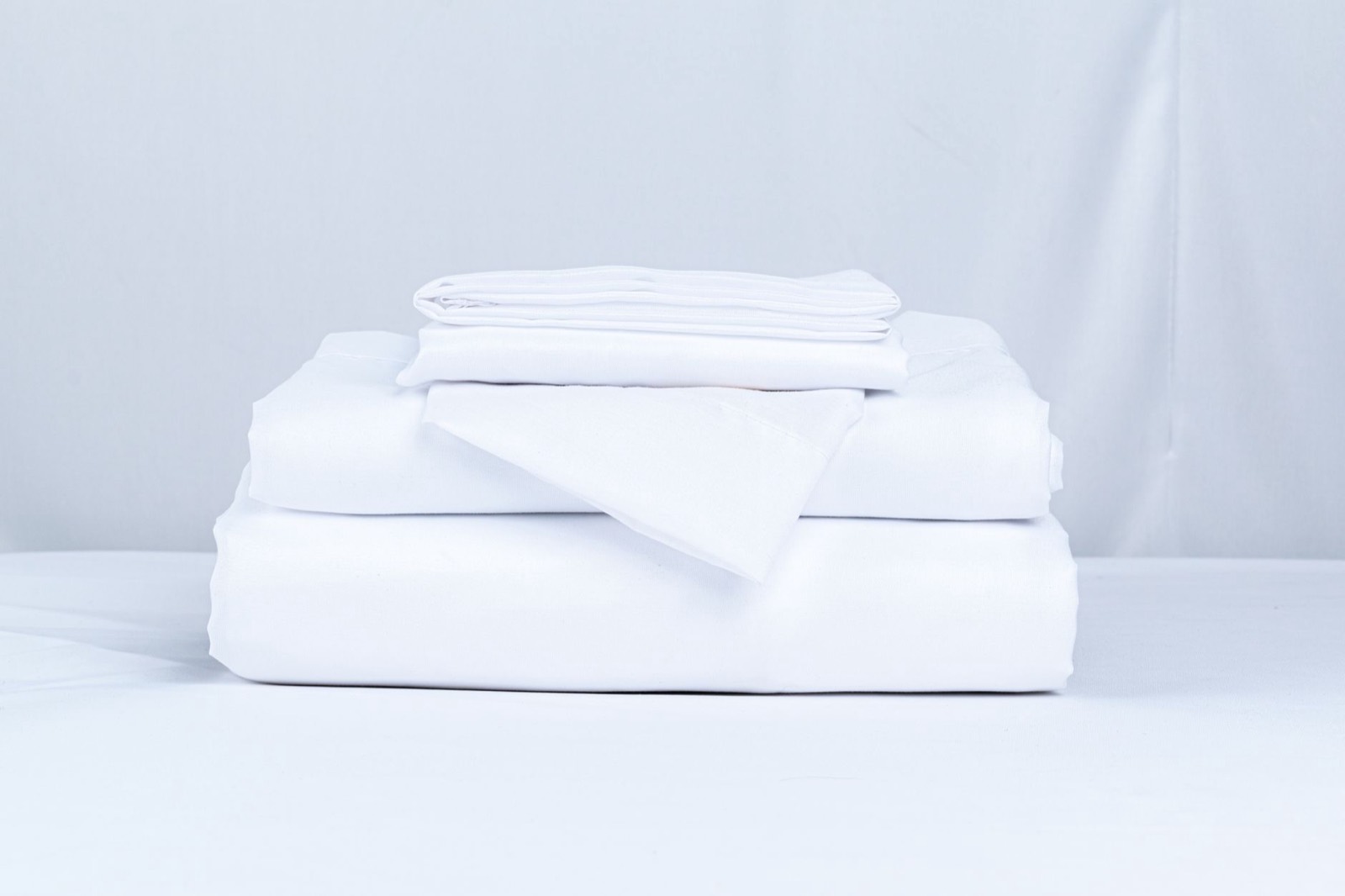
Adding two or three inches to a mattress affects the bedding that goes over it, which catches most people out once.
- Measure your mattress depth plus the topper before buying sheets
- Standard fitted sheets fit up to about 12–14 inches of total depth
- Deep-pocket sheets handle 15–18 inches; extra-deep go beyond that
- A protector goes over the topper, not under it, if the topper is not washable
- Sheet straps stop everything shifting, particularly on an adjustable base
Layer order from the mattress up: mattress, topper, protector, fitted sheet. That keeps the washable barrier closest to you and the topper clean underneath.
Confirm your mattress size first if you are buying online — our mattress size chart covers every standard dimension including the twin XL and California King exceptions.
Frequently Asked Questions
What is the difference between a mattress protector and a topper?
A protector is under half an inch thick and guards the mattress without changing how it feels. A topper is two to three inches and exists specifically to change firmness.
Do I really need a mattress protector?
On a new mattress, yes. Staining voids most warranties, and a protector costs a fraction of the mattress it safeguards. It is the cheapest insurance in the bedroom.
Will a topper fix a sagging mattress?
Only temporarily. A topper conforms to whatever is beneath it, so the dip reappears within weeks. Check the support underneath first — inadequate slats or a failed foundation are common causes.
Do mattress protectors make you sleep hot?
Cheap plastic-backed ones can. Modern waterproof protectors use a breathable membrane that blocks liquid while allowing air through, and those make very little difference to temperature.
Do I need deep-pocket sheets with a topper?
Usually. Standard fitted sheets cope with about 12 to 14 inches of total depth, and a three-inch topper on a 12-inch mattress already exceeds that.

Feel the Difference in Person
Two inches versus three inches of topper sounds like a small distinction and feels like a large one. Lying on both settles it immediately.
Our mattress range in Newport News includes protectors and toppers alongside the mattresses themselves, so you can test a combination rather than guess at it.
If the mattress underneath is the real problem, compare memory foam, innerspring and hybrid construction and check the size chart. For support underneath, see our guides to bunkie boards, bed frames and adjustable bases.
A topper is also the cheapest way to improve a guest bed — see our comparison of sleeper sofas, futons and daybeds.
Check clearance and specials, spread the cost with no-credit furniture financing, or ask our Newport News team which layer will actually solve your problem.