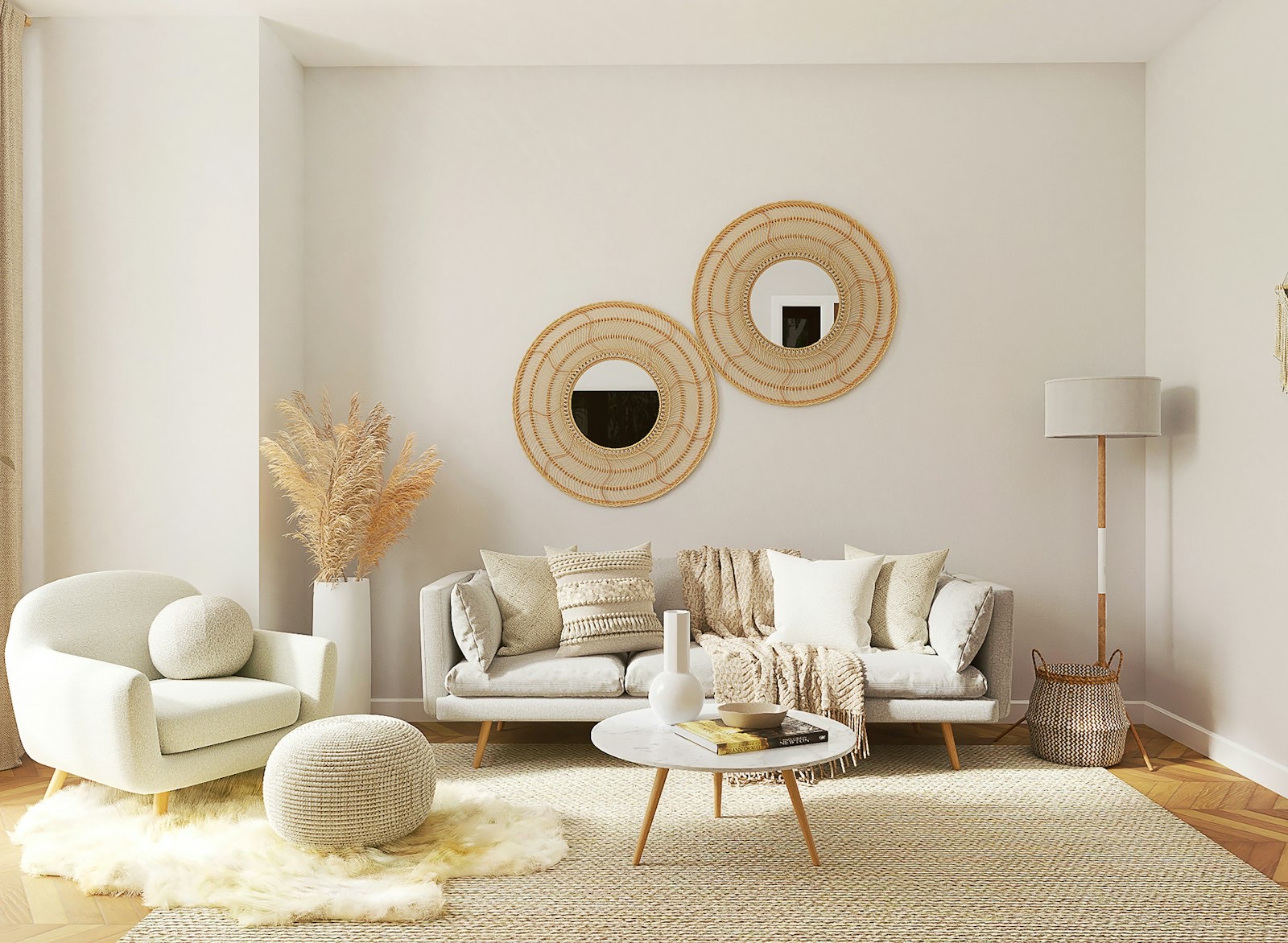
A mirror is the cheapest way to make a room feel bigger and brighter. It is also the piece most often hung too high, too small, or facing the wrong thing.
The good news is that mirror placement follows a handful of simple proportions. Get those right and the room does the rest.
Here is how to size a wall mirror to the furniture beneath it, how high to hang it, and what it should be reflecting.
Sizing a Mirror to the Furniture Below
The governing rule: a mirror hung above furniture should be 25 to 50 percent narrower than the piece underneath it. Wider than that and it looks unbalanced; much narrower and it looks lost.
| Furniture below | Its width | Mirror width to look for |
|---|---|---|
| Loveseat | 60″ | 30–45″ |
| Standard sofa | 84″ | 42–63″ |
| Console table | 48″ | 24–36″ |
| Standard dresser | 58″ | 29–44″ |
| Fireplace mantel | 54″ | 27–40″ |
| Vanity | 36″ | 18–27″ |
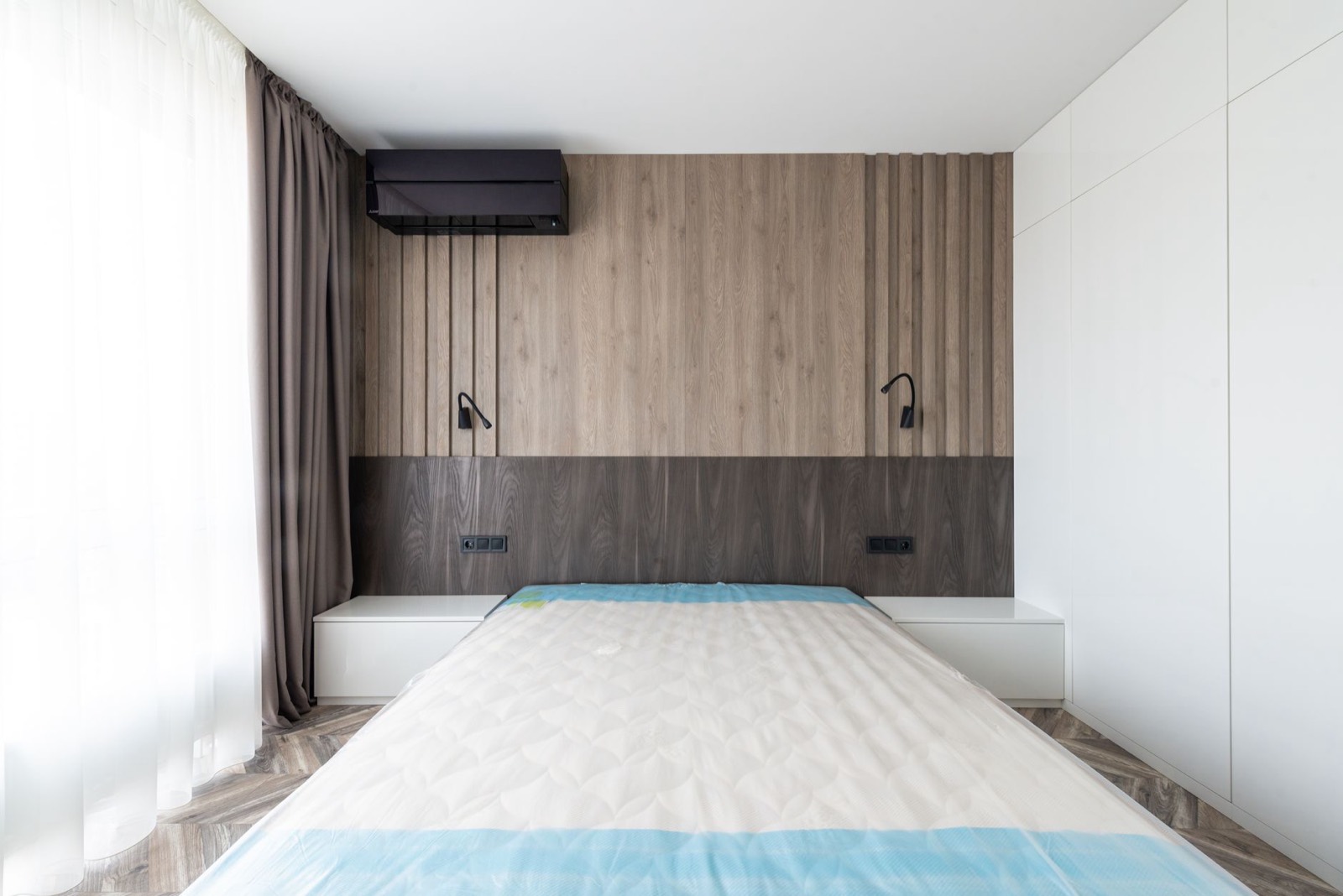
Above a bed the proportion changes slightly: aim for two-thirds to three-quarters of the bed width, which puts a queen at roughly 40 to 45 inches.
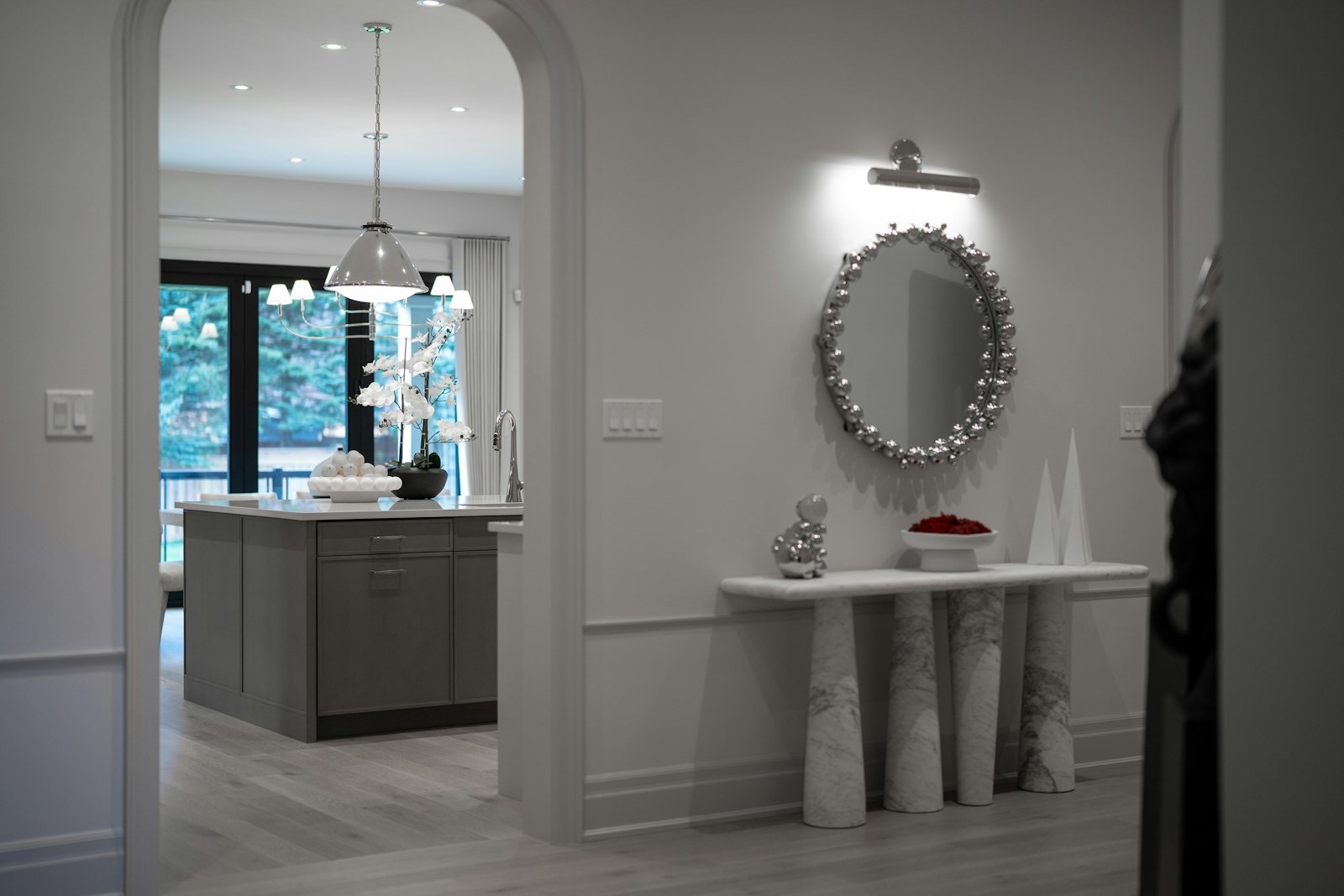
How High to Hang It
Hanging too high is the single most common mistake, and it usually happens because people centre the mirror on the wall rather than on the sightline.
| Situation | Rule | Result |
|---|---|---|
| Standalone wall | Centre 58–62″ from the floor | Eye level for most standing adults |
| Above a mantel | 4–6″ gap above the shelf | Reads as one composition, not two objects |
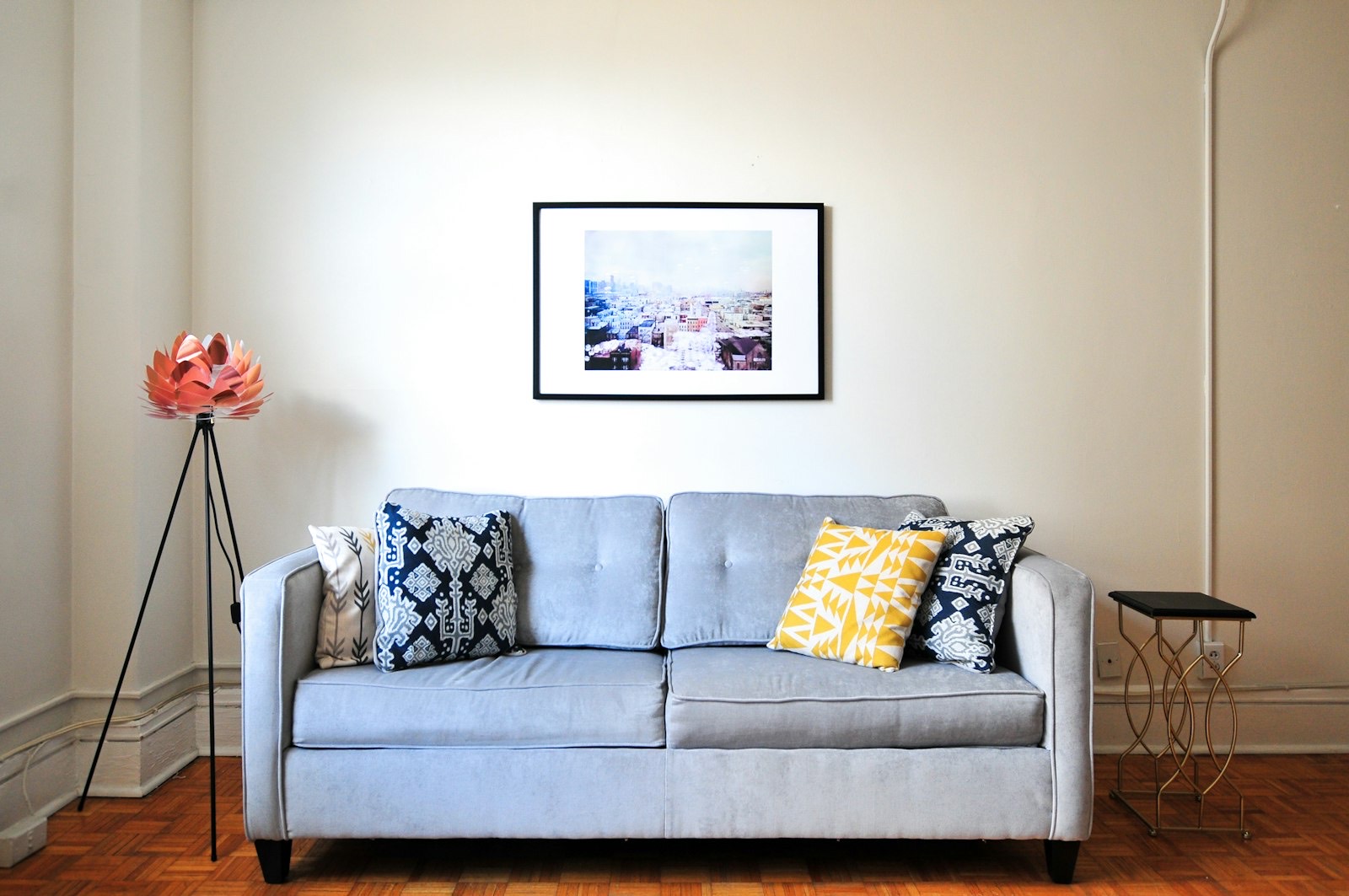
| Above a sofa or console | 6–8″ above the furniture back | Visually connected to the piece below |
| Above a dresser or vanity | 4–6″ above the surface | Usable while seated or standing |
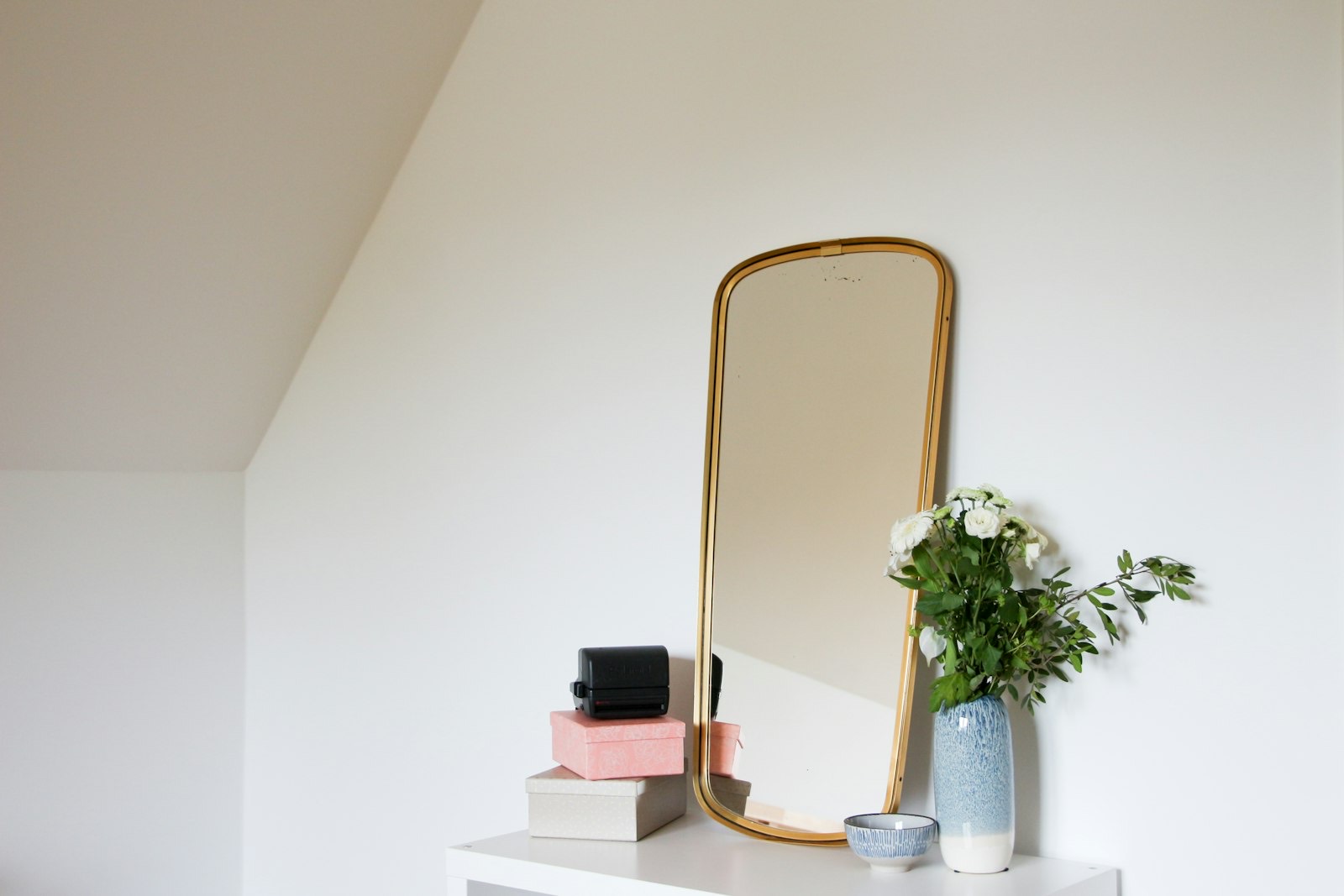
| Full-length mirror | Base 6–12″ off the floor, or leaned | Full body visible without stooping |
The 58 to 62 inch figure is a centreline, not a top edge. Measure to the middle of the mirror, not the hook.
What Should It Reflect?
A mirror doubles whatever it faces. That is the entire point, and it is the step most people skip.
- Opposite a window — bounces daylight deep into the room; the single most effective placement
- Facing a view or garden — brings the outside in twice
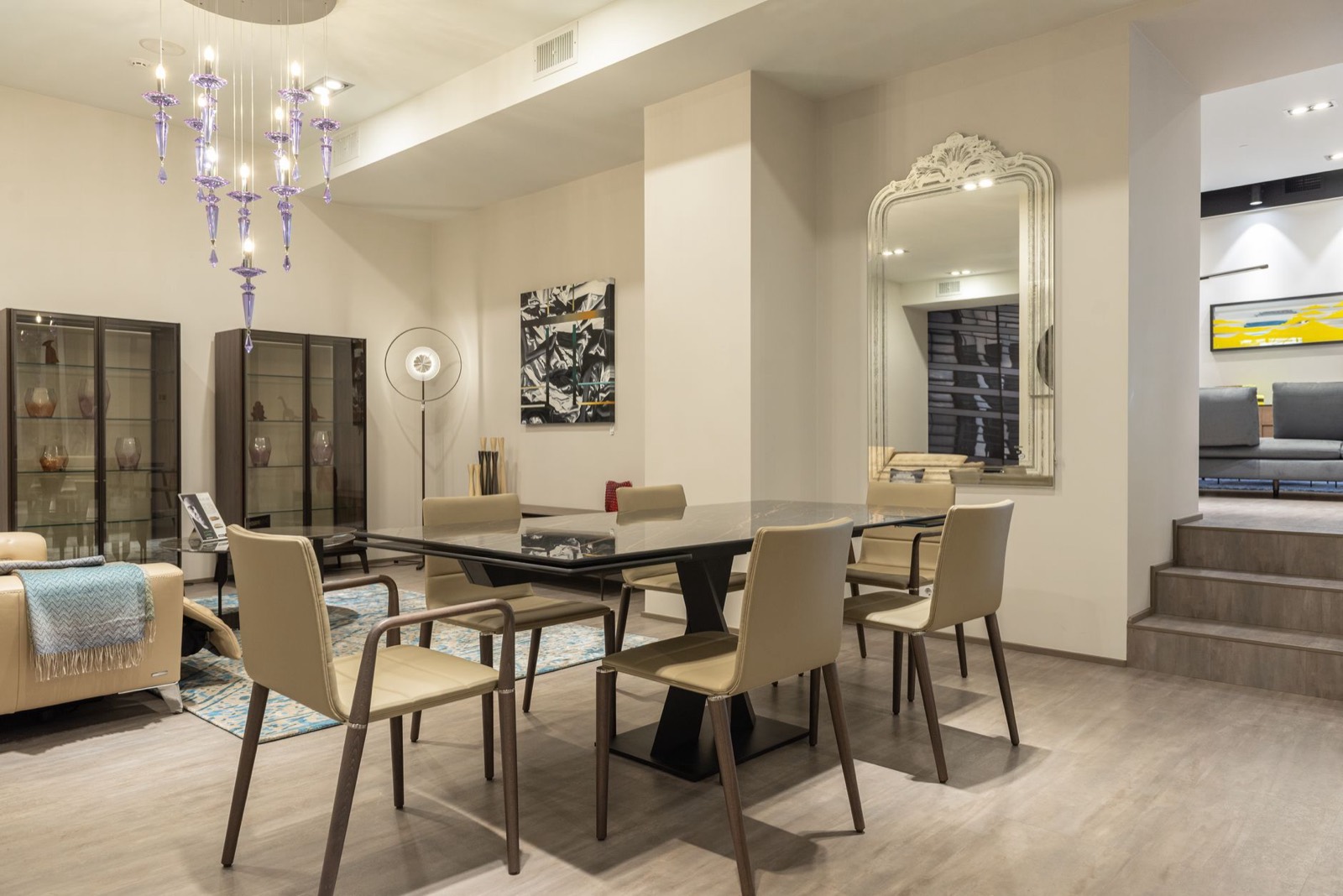
- Reflecting artwork or a light fitting — doubles a focal point you already like
- At the end of a narrow hallway — makes the corridor read as longer
- Avoid facing clutter — a mirror aimed at a worktop or laundry pile simply doubles the mess
- Avoid direct sun onto fabric — concentrated reflected light fades upholstery over time
Before hanging anything, hold the mirror in place and look at the reflection from where you normally sit. If what you see is a doorway into a dark hall, move it.
Shapes and Where They Work
| Shape | Effect | Best used |
|---|---|---|
| Rectangular, landscape | Widens a wall | Above sofas, mantels and consoles |
| Rectangular, portrait | Raises a low ceiling | Narrow walls, hallways, between windows |
| Round | Softens hard lines | Above round tables; rooms full of rectangles |
| Arched | Adds height without harshness | Entryways; above dressers and vanities |
| Geometric or sunburst | Functions as artwork | Feature walls where reflection is secondary |
| Full-length / leaner | Adds apparent depth | Bedrooms and dressing areas |
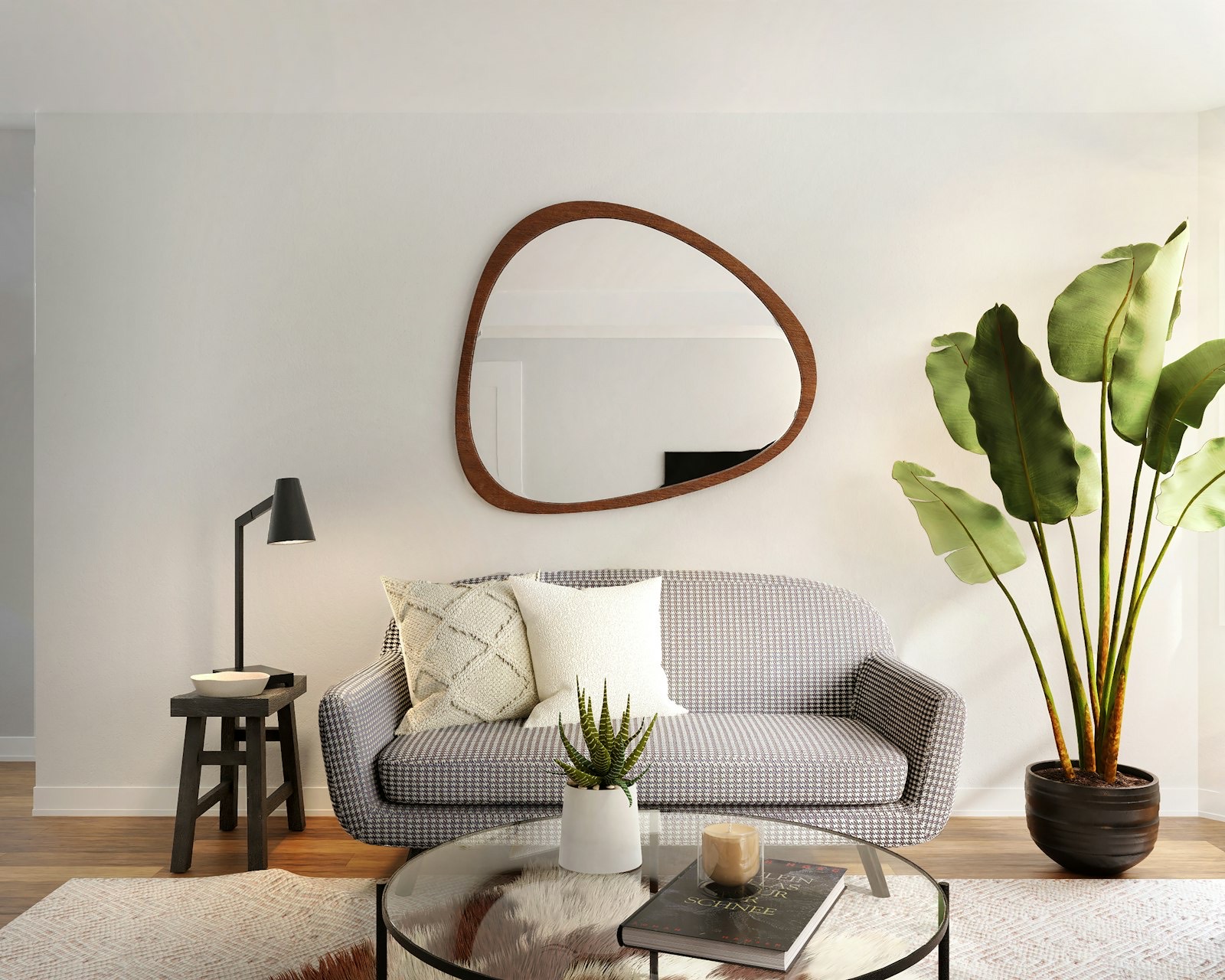
In a room dominated by straight lines — a rectangular sofa, a square coffee table, a boxy TV unit — a round or arched mirror is usually the piece that stops everything feeling rigid.
Frames, Glass and What You Pay For
Two mirrors of identical size can differ substantially in price, and the reasons are mostly hidden behind the frame.
- Glass thickness — 4mm to 6mm is standard; thicker glass resists distortion at larger sizes
- Bevelled edges — a polished angled border that catches light; purely decorative but adds noticeable depth
- Backing quality — a sealed backing prevents the black edge spotting that ruins cheap mirrors in humid rooms
- Frame material — solid wood and metal outlast moulded resin, which chips and cannot be repaired
- Hanging hardware — D-rings and wire beat a single sawtooth hook on anything sizeable
Backing quality matters more than most buyers realise on the Virginia coast. Humidity gradually attacks a poorly sealed mirror from the edges inward, and the black speckling that results cannot be reversed.
Hanging It Safely
Mirrors are heavier than they look. A 40-inch framed mirror can exceed 40 pounds, and glass failing off a wall is a serious hazard.
- Weigh the mirror, or check the specification, before choosing fixings.
- Locate studs — anything over about 20 pounds should hang from one wherever possible.
- Where studs do not line up, use toggle bolts rated well above the actual weight.
- Use two hanging points rather than one; it stops the mirror drifting out of level.
- For heavy mirrors above a bed or sofa, add a safety strap or a French cleat.
- Leaning a full-length mirror? Secure the top to the wall so it cannot be pulled over.
That last point matters most in homes with children. Guidance from Ready.gov on securing items inside the home applies to leaning mirrors as much as to tall furniture.
Frequently Asked Questions
What size mirror should go above a sofa?
Between 25 and 50 percent narrower than the sofa. For a standard 84-inch sofa that means a mirror roughly 42 to 63 inches wide, hung 6 to 8 inches above the back.
How high should a mirror be hung?
Centre it 58 to 62 inches from the floor on an open wall. Above furniture, ignore that figure and position it 4 to 8 inches above the piece so the two read as a single group.
Where should you not put a mirror?
Facing clutter, facing a dark or empty corridor, or where direct sunlight will be reflected onto upholstery. A mirror amplifies whatever it points at, including the things you would rather not see twice.
Do mirrors really make a room look bigger?
Yes, when positioned to reflect light or depth. A mirror opposite a window is the most effective placement; one facing a blank wall adds very little beyond decoration.
What size mirror goes above a dresser?
Roughly half to three-quarters of the dresser width — about 29 to 44 inches above a standard 58-inch dresser — hung 4 to 6 inches above the surface.
See the Scale in Person
Mirror proportions are hard to judge from a product photo, where nothing gives you a sense of scale. Standing next to one settles it immediately.
Our home accents, mirrors and lighting range in Newport News covers rectangular, round, arched and geometric styles, with full-length leaners for bedrooms.
To size one properly, bring the width of whatever sits beneath it. Our guides to choosing a dresser and measuring your room for a sofa both cover those widths, and choosing a makeup vanity for a small bedroom deals with lit vanity mirrors specifically.
Mirrors work hard in living rooms, bedrooms and dining rooms alike. Check clearance and specials, and use our free home delivery service for anything large — glass does not travel well in a car.
Not sure what will suit your wall? Send our Newport News team a photo and the furniture width and we will suggest a size.