A home bar is one of the few pieces of furniture bought purely for pleasure. That makes it easy to buy the wrong one — the handsome cart that holds four bottles, or the cabinet that swallows a corner you needed.
The useful question is not which looks best. It is how much you actually keep, and whether it needs to move.
Here is how the options compare on capacity, footprint and practicality.
The Main Types
| Type | Typical footprint | Bottle capacity | Best for |
|---|---|---|---|
| Bar cart | 30–36″ W × 16–20″ D | 4–10 | Entertaining; rooms with no spare wall |
| Corner bar cabinet | Fits a 90° corner | 15–30 | Reclaiming dead corner space |
| Bar cabinet / armoire | 32–48″ W × 18–20″ D | 20–40 | Closing the doors on everything |
| Sideboard or credenza bar | 50–72″ W × 18–20″ D | 20–40 plus glassware | Dining rooms; doubles as serving surface |
| Standalone wine rack | 12–24″ W | 12–48 | Wine only; no spirits or glassware |
| Serving cart | 28–34″ W | Minimal | Moving food and drink, not storing it |
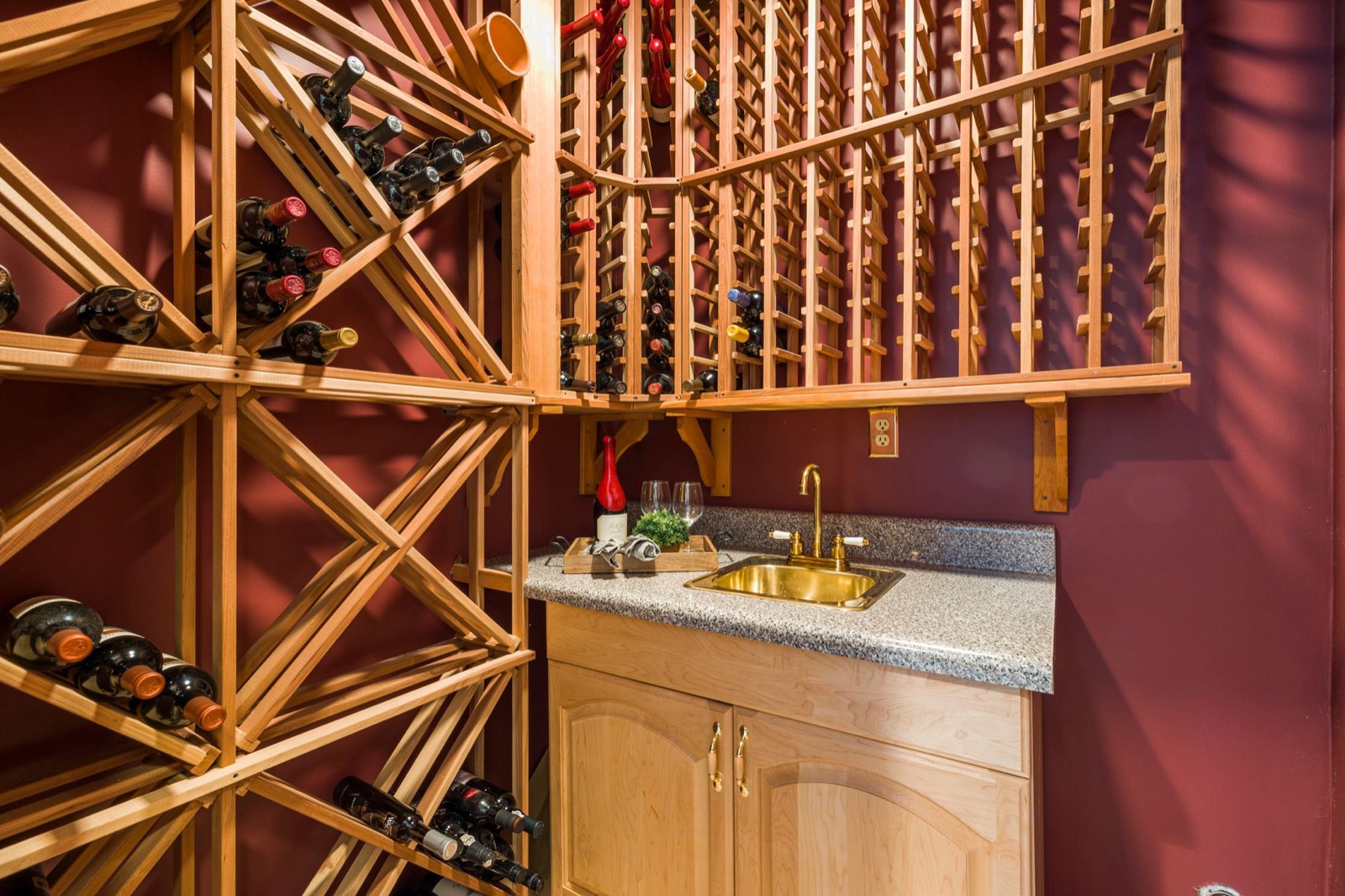
The corner cabinet is the underrated option. Corners are the least useful square footage in most rooms, and a corner bar puts thirty bottles and a stemware rack into space that was doing nothing.
Match Capacity to What You Keep
| What you keep on hand | Buy | Why |
|---|---|---|
| A few bottles, occasional guests | Bar cart | Enough capacity; wheels where you need it |
| 15–30 bottles plus glassware | Bar cabinet or corner unit | Enclosed storage, stemware rack, work surface |
| Mostly wine, 20+ bottles | Wine rack or wine cabinet | Horizontal storage keeps corks sealed |
| Wine plus spirits plus glasses | Sideboard-style bar | Widest mix of storage types in one piece |
| Bar tools and mixers, few bottles | Cart with drawers | Small items need drawers, not shelves |
Twenty bottles is the standard capacity most wine racks are built around, and it is more than most households ever hold at once. Forty-eight-bottle units exist for collectors, and they are considerably larger than they sound.
Storing Wine Properly
Furniture placement affects wine more than most people realise, and a few habits protect a collection at no cost.
| Factor | What to aim for | What goes wrong |
|---|---|---|
| Temperature | Cool and, above all, stable | Swings expand and contract the cork |
| Light | Dark; away from direct sun | UV degrades wine, especially in clear bottles |
| Position | Bottles on their side | An upright cork dries and lets air in |
| Vibration | Still — not on top of an appliance | Constant movement disturbs sediment |
| Humidity | Moderate, not bone dry | Very dry air shrinks corks |
In practical terms this rules out two popular spots: above a radiator, and in front of a sunny window. An interior wall away from the kitchen is almost always the better placement.
For anything you are storing long term rather than drinking soon, general food and beverage storage principles apply — Penn State Extension’s food safety and quality resources cover how temperature stability and light exposure affect what you keep at home.
Features Worth Checking
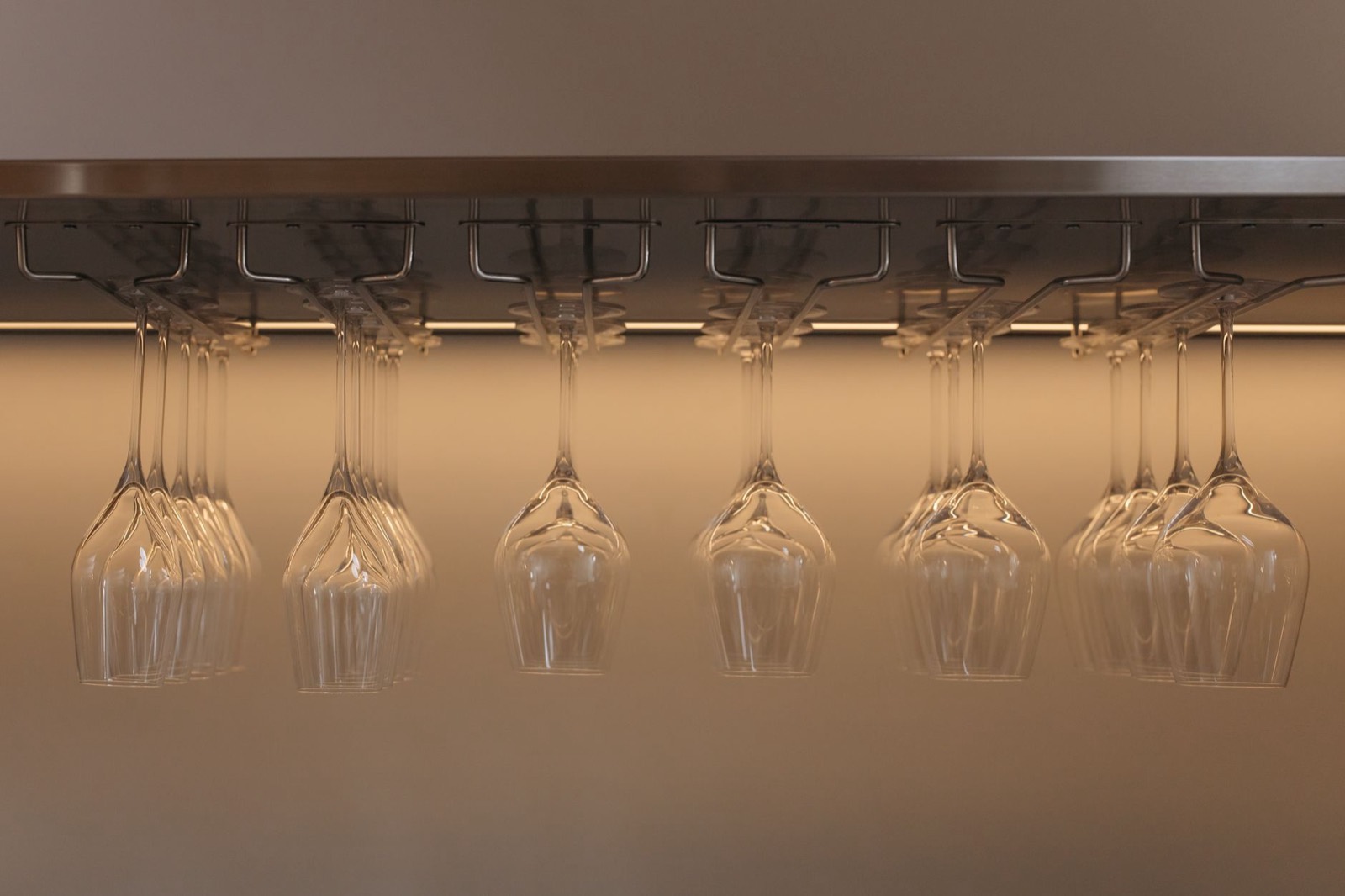
- Stemware rack — inverted glass storage saves shelf space and keeps dust out of the bowls
- A genuine work surface at 34–42″ for pouring and mixing
- Locking doors, worth considering in a house with children or teenagers
- Removable serving tray on a cart, so drinks travel to the room rather than people to the cart
- Locking casters — a cart that rolls when leaned on is a nuisance
- Interior lighting in a tall cabinet, since the back of a deep cupboard is dark
- Weight rating, because bottles are heavier than furniture designers sometimes assume
Weight is the one people underestimate. Thirty full bottles weigh close to ninety pounds before you add glassware, which is why a flimsy cart with unsupported shelves will eventually bow.
Organising what goes where
A bar that is pleasant to use follows a simple hierarchy rather than being packed to capacity.
- Eye level — what you reach for weekly; everyday spirits and current wine
- Work surface — keep it clear apart from a tray; you need room to actually pour
- Lower shelves — heavy backstock and mixers, keeping the centre of gravity low
- Drawers — openers, stoppers, coasters and small tools that vanish on shelves
- Behind doors — anything rarely used, and anything you would rather not display
Group spirits by type rather than by bottle height. It looks less tidy and works considerably better when you are actually making something.
Where It Should Go
| Location | Works because | Watch for |
|---|---|---|
| Dining room corner | Near where drinks are served | Chair clearance behind seated guests |
| Living room wall | Doubles as a display piece | Keep clear of the walking route |
| Between kitchen and dining | Natural serving point | Kitchen heat and humidity |
| Under the stairs | Dead space; naturally dark and cool | Headroom for a tall unit |
| Home office or den | Quiet and stable conditions | Nothing much — often the best spot |
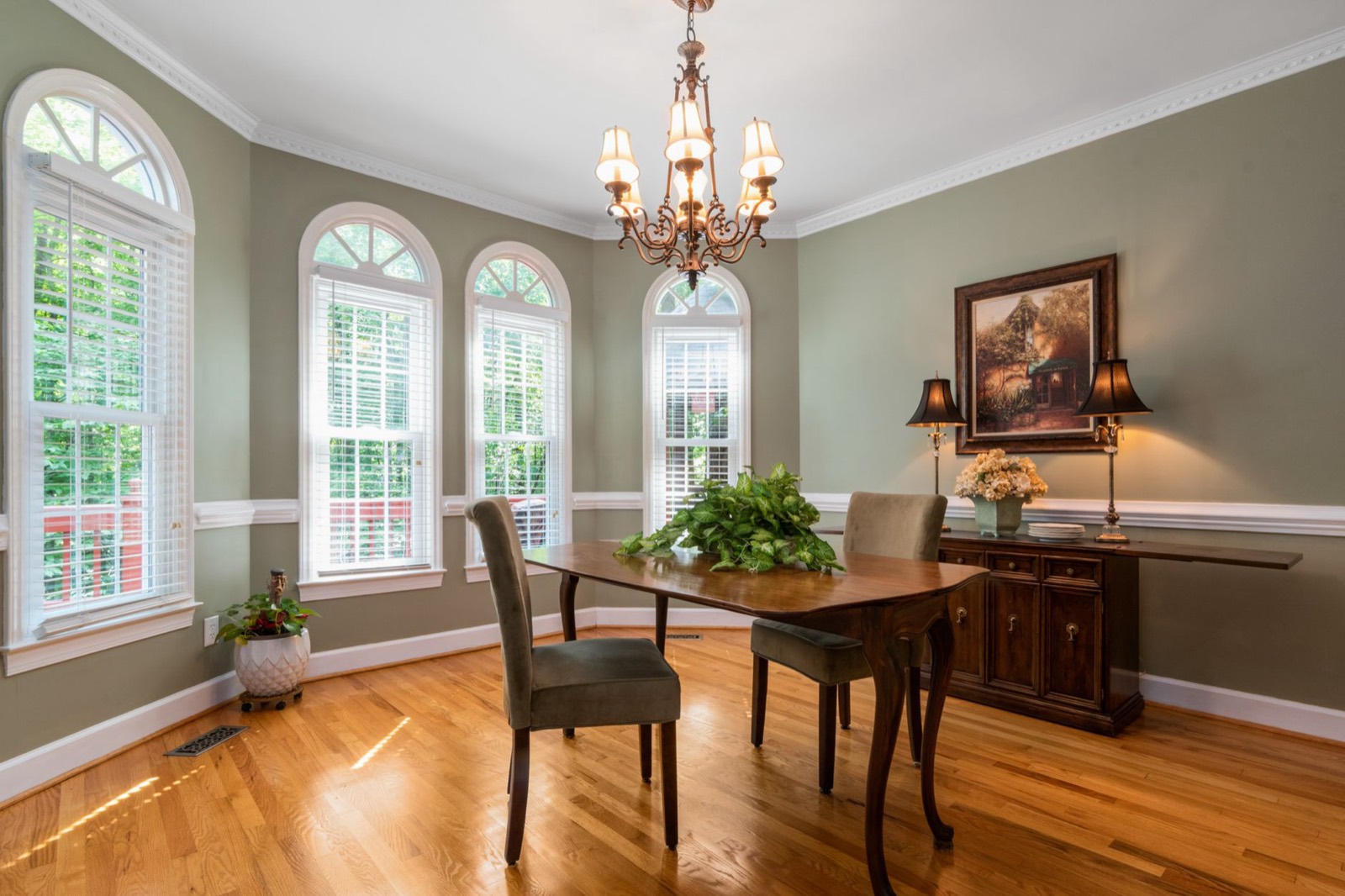
If the bar sits in a dining room, apply the same clearance logic as the table itself. Our dining table sizing guide covers the 36 inches of pull-out space chairs need before you place anything against that wall.
Frequently Asked Questions
How many bottles does a standard wine rack hold?
Twenty is the common standard, which suits most households comfortably. Forty-eight-bottle units are aimed at collectors and take up substantially more floor space than the bottle count suggests.
Should wine bottles be stored on their side?
Yes, for anything with a natural cork. Lying flat keeps the cork in contact with the wine so it does not dry out and let air in. Screw-cap bottles can be stored upright without issue.
What is the difference between a bar cart and a bar cabinet?
A cart is mobile, open and holds relatively little — typically four to ten bottles. A cabinet is fixed, enclosed and holds fifteen to forty, usually with a stemware rack and a proper work surface.
Where should you not put a wine rack?
Above a radiator, beside an oven, on top of a vibrating appliance, or in direct sunlight. Temperature swings, vibration and UV light are the three things that damage stored wine.
Can a sideboard be used as a home bar?
Very effectively. A sideboard offers the widest work surface and the most mixed storage of any option, which is why dining room bars are so often built around one.
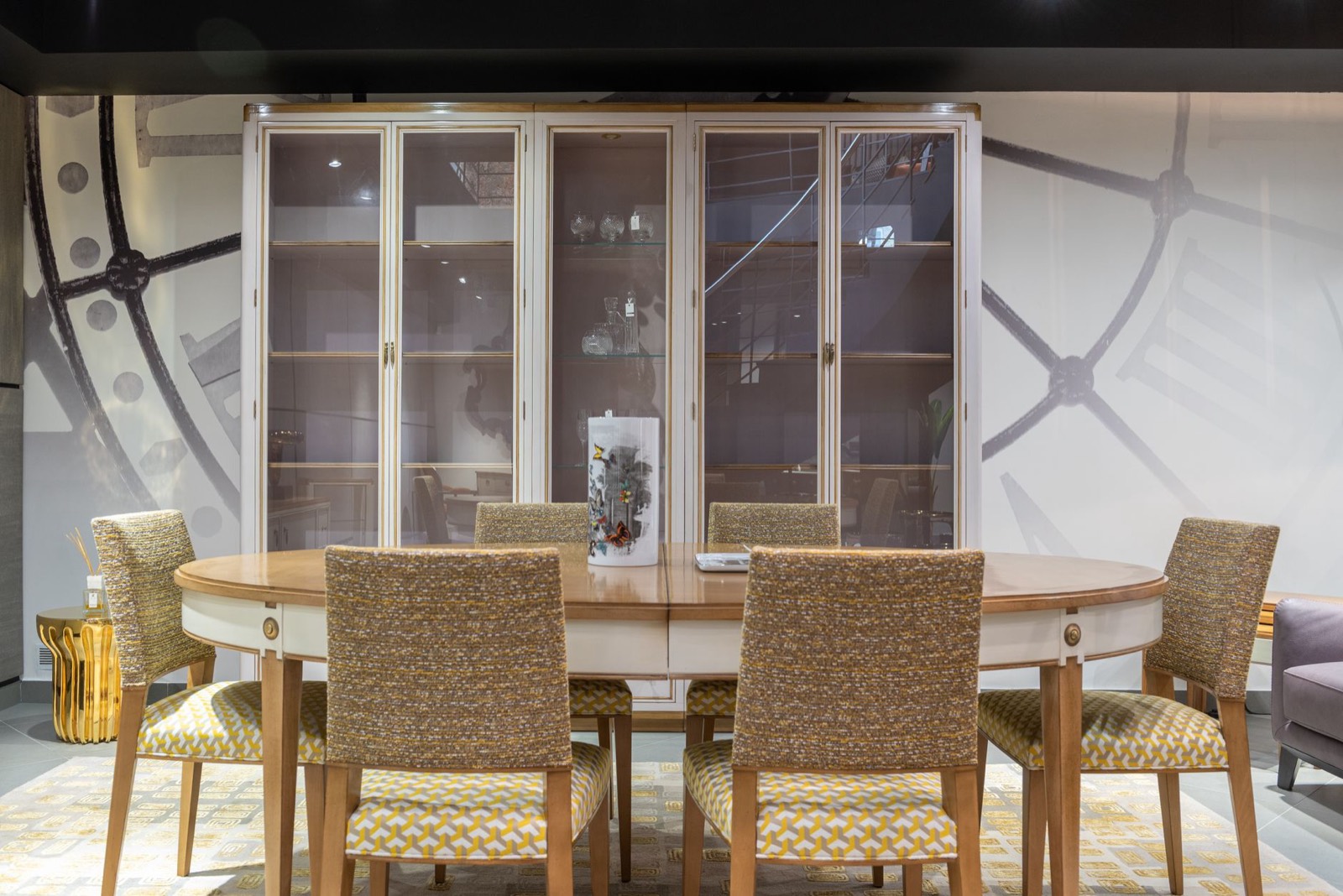
See the Capacity for Yourself
Bottle counts on a spec sheet rarely convey how much space thirty bottles actually occupy. Opening the doors on a display unit settles it in seconds.
Our dining room furniture range in Newport News includes bar cabinets, corner bars, wine racks, bar carts and serving carts, alongside the sideboards that work as bars.
Setting up a bar area with seating? Our bar stool height guide explains why counter and bar heights need different stools, and the dining table guide covers the clearances around it.
If the piece needs to look like furniture rather than a bar, our accent cabinet guide covers styling and sizing, and mirrors, lamps and accents finish the corner. For a den setup, see living room furniture.
Check clearance and specials, spread the cost with no-credit furniture financing, and see our delivery guide — loaded bar cabinets are heavy. Measuring an awkward corner? Send our Newport News team the dimensions.