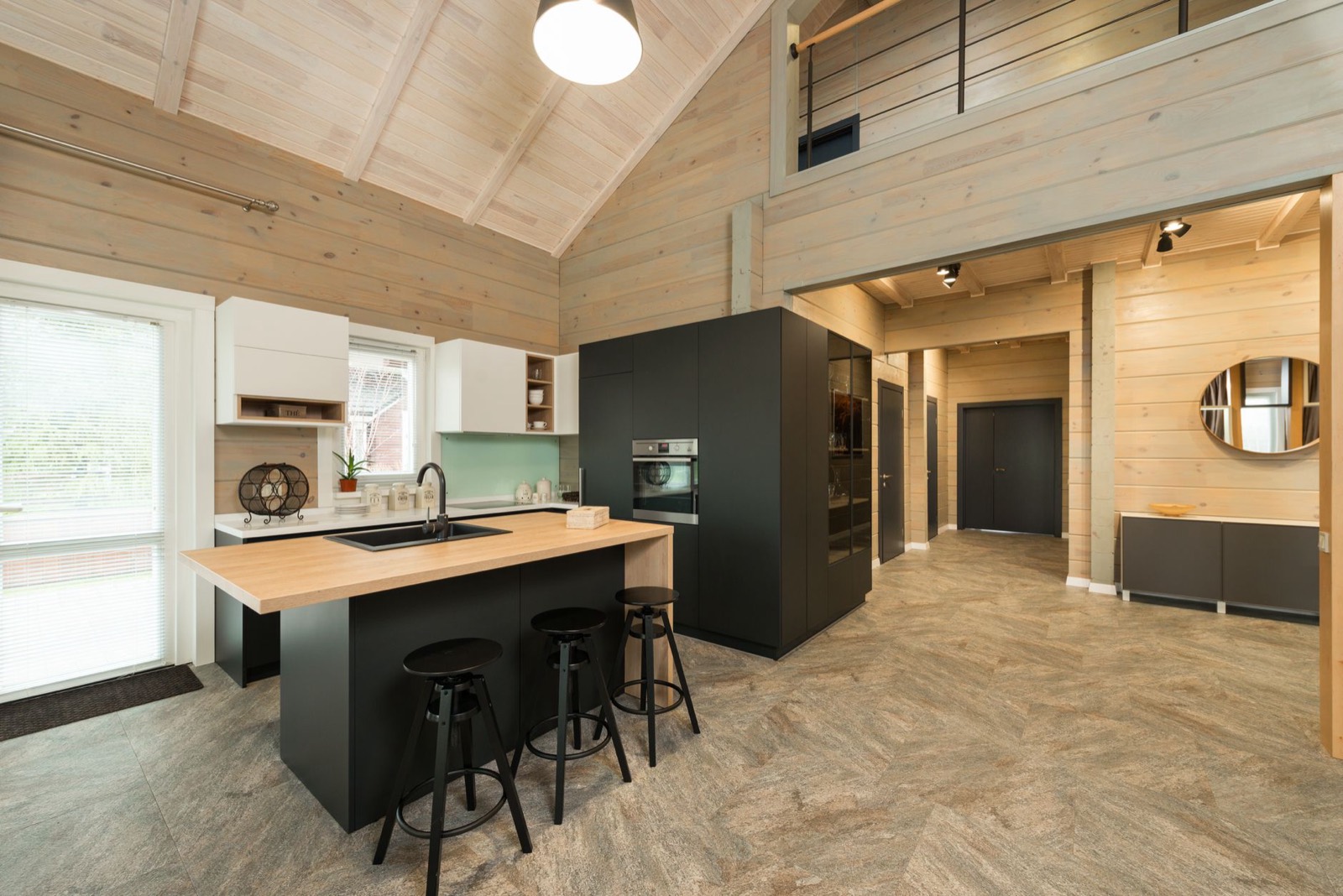
Bar stools are the most commonly returned item in furniture retail, and the reason is almost always the same: the wrong height by two or three inches.
The terms do not help. “Bar stool” is used generically for every tall seat, when it actually describes one specific height that will not work at a standard kitchen island.
Here is the arithmetic that gets it right first time, plus how many stools your counter can genuinely take.
The Three Heights
Measure from the floor to the top of your surface. That single number tells you which category you are shopping in.
| Surface height | Category | Seat height to buy | Where you find it |
|---|---|---|---|
| 28–30″ | Table height | 17–19″ | Dining tables; desks |
| 34–36″ | Counter height | 24–26″ | Kitchen islands and peninsulas |
| 40–42″ | Bar height | 28–30″ | Home bars; pub tables; raised islands |
Most kitchen islands in American homes are counter height at 36 inches, which means most people buying “bar stools” actually need counter stools.
The National Kitchen & Bath Association is the body that sets the planning guidelines most American kitchens are built to, which is why those 36-inch and 42-inch figures recur so consistently.
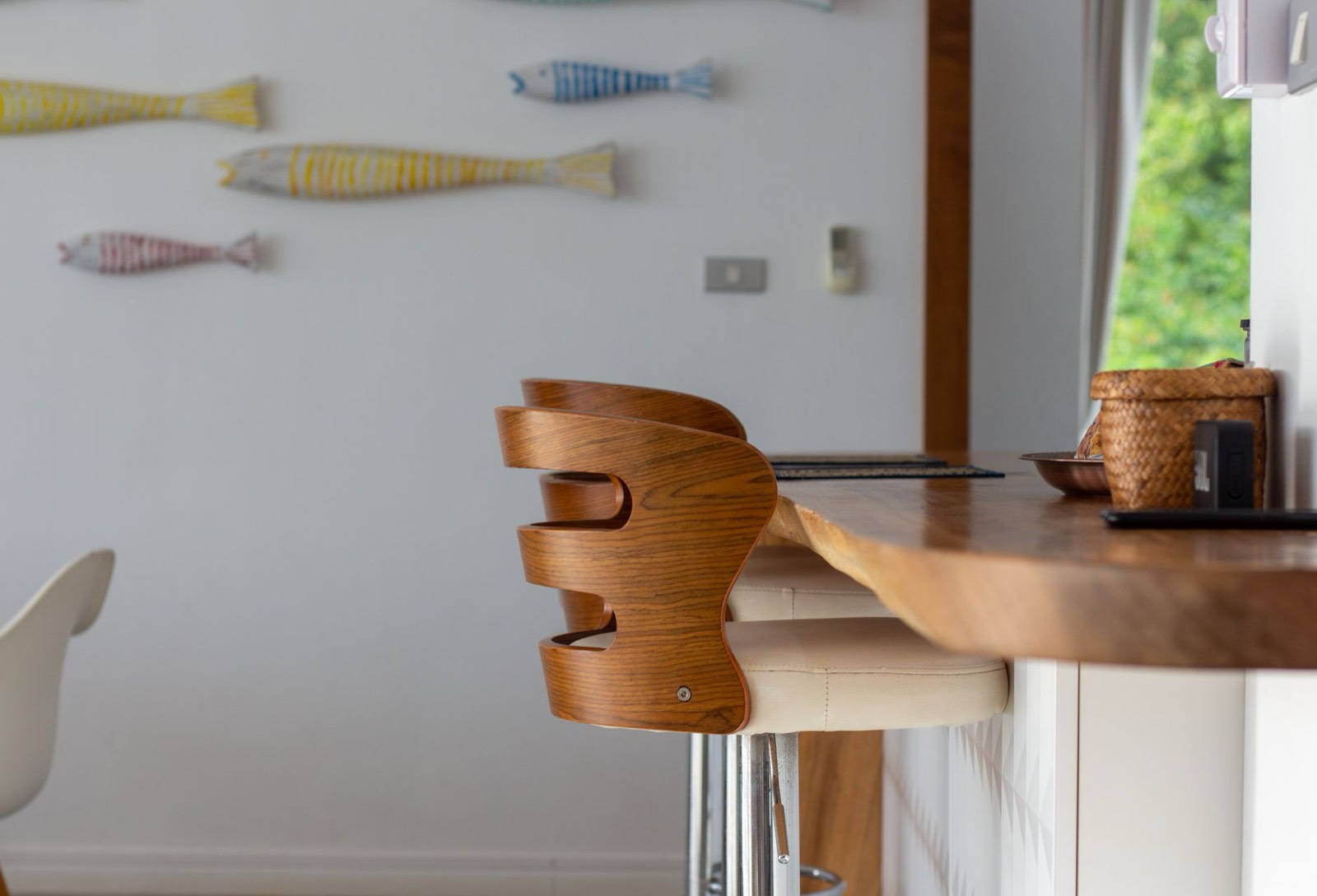
The Formula: Subtract 10 to 12
Whatever your surface height, subtract 10 to 12 inches. That is your seat height.
| Your surface measures | Buy a seat height of | Resulting legroom |
|---|---|---|
| 34″ | 22–24″ | Comfortable |
| 36″ (most common) | 24–26″ | The standard pairing |
| 38″ | 26–28″ | Slightly unusual; check availability |
| 40″ | 28–30″ | True bar height |
| 42″ | 30–32″ | Tall bar; a footrest becomes essential |
Under 10 inches of gap and your thighs press into the underside. Over 12 and you are reaching up to eat, which is tiring within a single meal.
Check for an overhang or apron beneath the counter before you commit. A thick countertop or a decorative apron can steal two or three inches of the clearance the numbers promised you.
How Many Stools Will Fit?
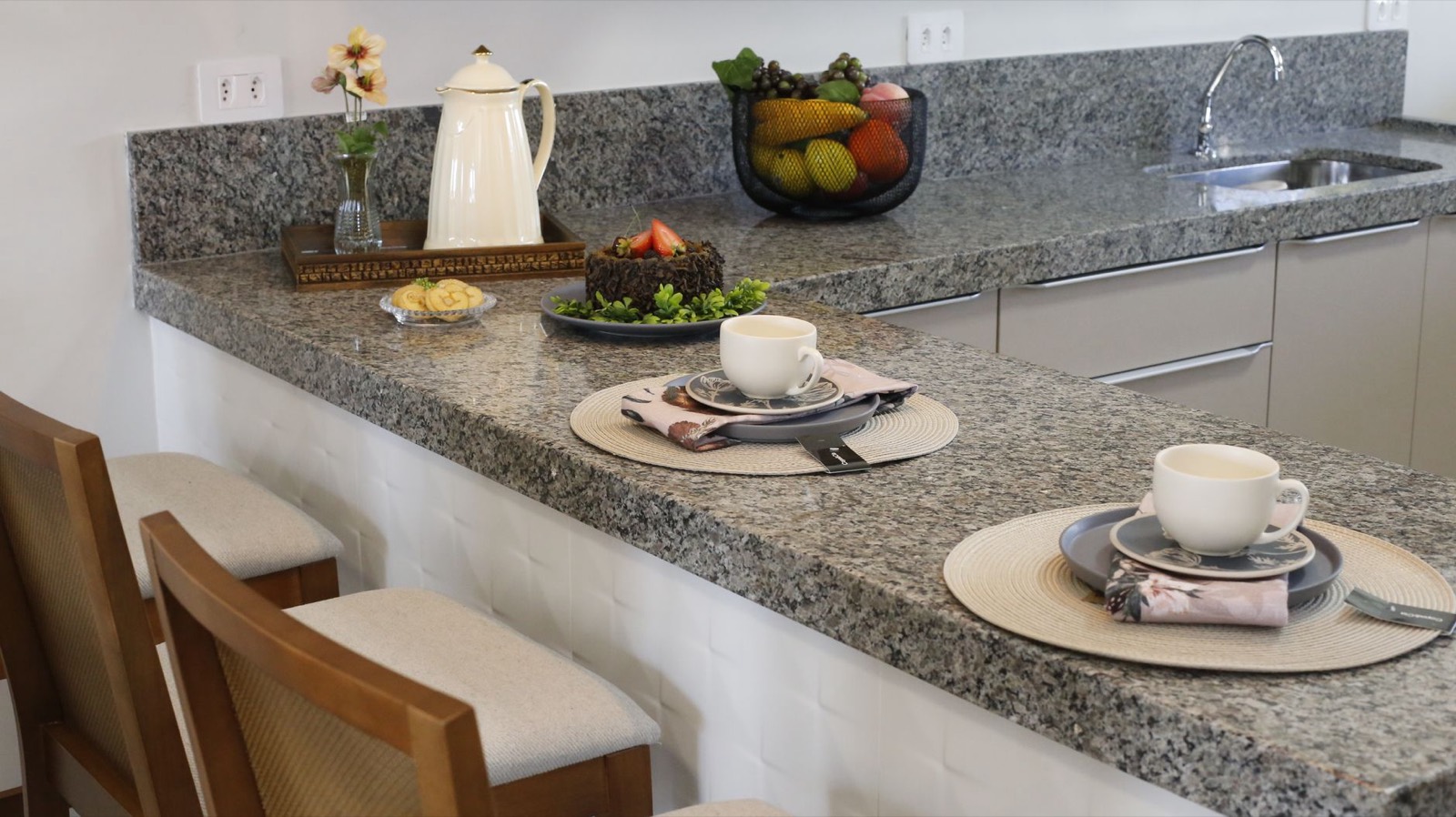
Allow 26 to 30 inches per stool measured centre to centre. That leaves roughly six inches of breathing room between seats.
| Usable counter length | Stools that fit comfortably | Squeeze capacity |
|---|---|---|
| 4 ft (48″) | 2 | 2 |
| 5 ft (60″) | 2 | 3 |
| 6 ft (72″) | 3 | 3 |
| 8 ft (96″) | 3–4 | 4 |
| 10 ft (120″) | 4 | 5 |
Measure the usable length, not the whole counter. Corners, appliance overhangs and support legs all remove seating positions.
You also need at least 15 inches of counter overhang for knees. Below about 10 inches, nobody can sit square to the counter, however good the stool height is.
Backless, Low Back or Full Back?
| Type | Advantages | Drawbacks | Best for |
|---|---|---|---|
| Backless | Tucks fully under; visually disappears | No support for long sitting | Small kitchens; occasional use |
| Low back | Some support, still tucks mostly under | Compromise on both counts | The safest all-round choice |
| Full back | Comfortable for long meals | Cannot tuck away; dominates the room | Islands used as the main eating spot |
| Swivel | Easy to get in and out of | More moving parts to fail | Anyone with mobility concerns |
| Adjustable gas lift | Fits any surface height | Mechanism can drift downward over time | Uncertain or unusual counter heights |
If the island is where your household actually eats, buy backs. If it is where people perch with coffee for ten minutes, backless stools that slide out of sight are the better call.
A footrest matters more the taller the stool. At bar height, feet dangling unsupported becomes uncomfortable quickly, so treat a footrest as essential rather than optional above 28 inches.
Materials and Everyday Wear
- Wood — warm and repairable; check joints, which loosen with constant getting on and off
- Metal — the most durable frame; confirm floor glides are fitted or it will mark hard floors
- Upholstered seat — most comfortable, least practical directly beside a hob
- Faux leather — wipes clean instantly; the sensible choice with children
- Woven or rattan — attractive, but crumbs settle into the weave
- Acrylic or clear — visually light in a small kitchen; scratches show readily
Kitchen stools take grease and spills that dining chairs never see. A wipeable seat in a working kitchen will still look presentable years after a fabric one has given up.
Five Mistakes Worth Avoiding
- Measuring to the wrong point. Measure floor to the top of the counter, not to the underside or the overhang.
- Ignoring seat width. A 20-inch-wide stool needs more centre-to-centre spacing than a 15-inch one; three wide stools may not fit where four narrow ones would.
- Forgetting the swivel arc. A swivel stool with arms needs clearance to rotate without striking the cabinetry.
- Buying an odd number for a symmetrical island. Three stools on a six-foot run looks deliberate; three on an eight-foot run looks like one is missing.
- Overlooking floor protection. Metal feet on hardwood will leave arcs within weeks without felt pads or proper glides.
The seat-width point catches people out most often. Counter length divided by 26 inches gives a realistic maximum, and slim stools genuinely buy you an extra seat.
Frequently Asked Questions
What is the difference between counter and bar stools?
Seat height. Counter stools measure 24 to 26 inches and suit 34 to 36 inch surfaces. Bar stools measure 28 to 30 inches for 40 to 42 inch surfaces. The four-inch difference is the whole distinction.
What height stool do I need for a 36 inch counter?
A 24 to 26 inch seat height — a counter stool. This is the most common kitchen island height in American homes, and it is where most people mistakenly buy taller bar stools.
How much space should be between bar stools?
Allow 26 to 30 inches from the centre of one stool to the centre of the next, giving roughly six inches between seats. Wider stools with arms need the upper end of that range.
How much counter overhang do I need for stools?
At least 15 inches for comfortable knee room. Anything under about 10 inches forces people to sit sideways, which defeats the point of the seating entirely.
Are adjustable height stools a good idea?
They solve genuine problems with unusual counter heights and let one set work in two places. The trade-off is a gas cylinder that can lose height over the years, so buy on mechanism quality.

Bring the Counter Measurement
One number — floor to countertop — settles which stools will work. Bring it with you and the choice narrows to style rather than guesswork.
Our dining room furniture range in Newport News carries counter and bar height stools, so you can sit at both heights and feel the difference before buying.
If the stools are replacing dining chairs rather than supplementing them, our dining table sizing guide covers seat spacing and clearance in the same detail. For a bar area that also needs storage, the accent cabinet guide covers sideboard-style options.
Kitchen and living spaces often flow together — see living room furniture for matching the seating, and lighting and accent pieces to finish a bar area.
Check clearance and specials, spread the cost with no-credit furniture financing, and see our delivery guide for what to expect on the day. Unsure of your counter height? Send our Newport News team the measurement.