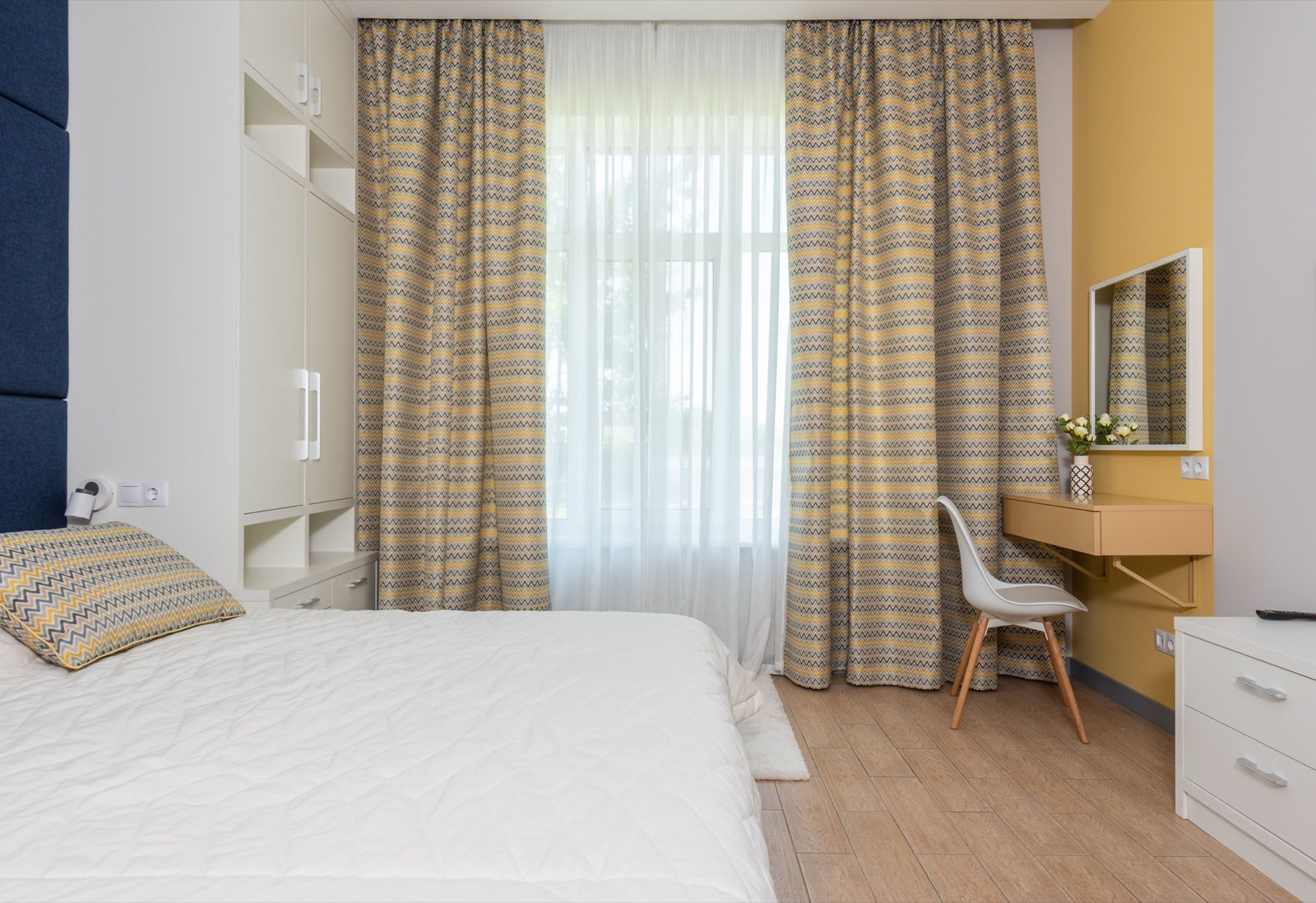
A vanity is one of the few pieces of children’s furniture bought almost entirely for the child rather than the parent. That is exactly why it needs a harder look than most.
The two questions worth answering before you buy are whether it is stable enough for a child who will climb it, and whether it will still be useful in three years.
Here is how to size one by age, what to look for in the mirror and the anchoring, and when a desk is the smarter purchase.
Sizing by Age
| Age | Table height | Seat height | What it is really for |
|---|---|---|---|
| 3–6 | 20–22″ | 10–12″ | Pretend play; expect it to be outgrown |
| 7–11 | 24–26″ | 14–16″ | Hair, accessories, a first sense of a personal space |
| 12+ | 28–30″ (adult) | 18–20″ | Genuine daily use; buy adult height |
The jump from the middle row to the bottom one is the decision point. A child-scale vanity at 24 inches will be too low by twelve or thirteen, and there is no adjusting it.
For anyone approaching their teens, buy adult height and pair it with an adjustable stool. Our makeup vanity sizing guide covers the adult dimensions, depths and stool heights in detail.
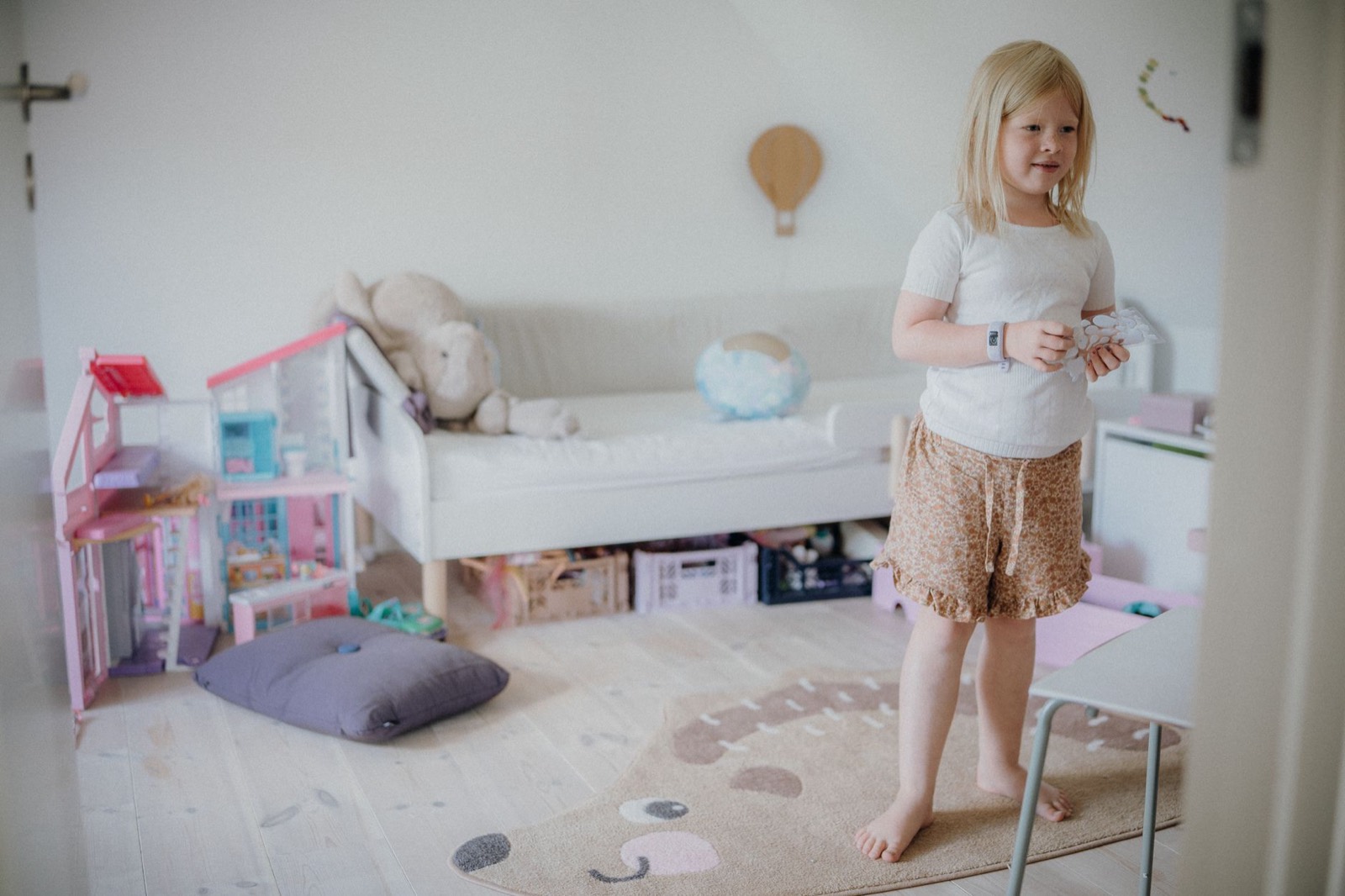
Tip-Over Risk Is the Real Issue
Vanities combine two things that make furniture unstable: a narrow footprint and drawers a child will pull out and stand on. Add a heavy mirror on top and the centre of gravity moves the wrong way.
- Anchor it to a wall stud. Not drywall anchors alone, and not “we will do it later”
- Use the tip restraint that comes in the box, and check it again after any room rearrangement
- Prefer a wide, low silhouette over a tall narrow one in a child’s room
- Keep the heaviest items in the bottom drawer
- Never place a television or a heavy jewellery box on top
- If the mirror is separate, confirm how it attaches before assembly rather than after
Furniture tip-overs are a well-documented hazard in children’s rooms, which is why storage furniture is tested against a published stability standard — ASTM F2057, the safety specification for clothing storage units. A tested unit still needs anchoring, and the restraint in the box is there for that reason.
Our kids’ bedroom furniture guide goes further into anchoring hardware and which walls actually hold it.

The Mirror Deserves Its Own Decision
| Mirror type | Best for | Watch out for |
|---|---|---|
| Attached, fixed | Younger children | Cannot be angled; height is fixed for good |
| Attached, tilting | Growing children | The pivot hardware loosens over time |
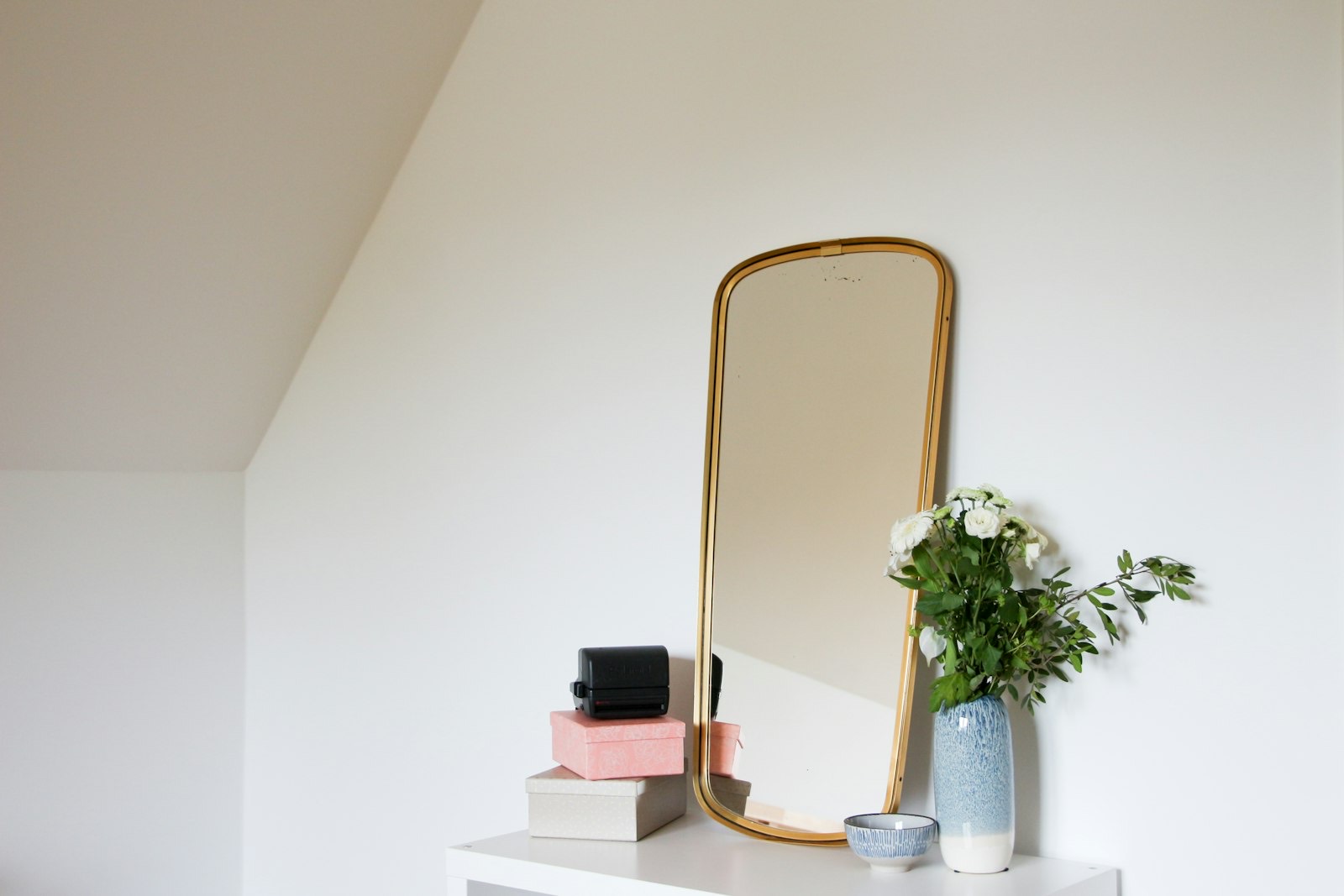
| Flip-top hidden mirror | Small rooms; dual-purpose desks | Small viewing area; hinge takes abuse |
| Separate wall mirror | Teens and long-term use | Needs its own secure mounting |
| Lighted mirror | Teens who actually do makeup | Needs an outlet within reach |
A flip-top vanity is the quiet winner in a shared or small room. Closed, it is a desk; open, it is a vanity, and it takes one footprint instead of two.
Separate wall mirrors last longest because they outlive the vanity underneath. Our wall mirror sizing guide covers hanging heights and how wide to go relative to the table.

Vanity or Desk?
| Dedicated vanity | Desk with a mirror added | |
|---|---|---|
| Homework use | Poor — too shallow, mirror in the way | Good |
| Storage | Shallow drawers suited to small items | Deeper drawers; better for books |
| Depth | Typically 16–18″ | Typically 24–30″ |
| Lifespan | Outgrown if bought child-scale | Lasts into college |
| Cost | Similar | Similar |
For most rooms above the age of ten, a good desk plus a wall mirror beats a dedicated vanity. It handles homework, it does not get outgrown, and the mirror can move with the room.
The exception is a room where the vanity genuinely is the point. If a teenager uses one every morning, the shallow depth and small drawers are features, not compromises.
Our desk sizing guide covers depths and heights, and our lighting guide covers the bulb colour that makes a mirror usable.

Where to Put It in the Room
Placement decides whether a vanity gets used every day or becomes a shelf. Three things settle it: light, an outlet, and whether the stool blocks a walking route.
- Beside a window, not facing one. Light from the side is flattering; a window directly behind the mirror throws the face into shadow
- Within reach of an outlet for a hair dryer, straightener or lighted mirror — an extension cord across a child’s floor is not the answer
- Not in the doorway path. A pulled-out stool needs about 30 inches, and that cannot overlap the route to the door
- On a stud wall wherever possible, so anchoring is straightforward
- Away from the bed’s swing side in a shared room, so two people are not competing for the same floor
In a shared room, one adult-height vanity used in turns generally works better than two child-scale ones. It costs less, takes half the floor, and neither child outgrows it in a year.
If floor space is the binding constraint, our bunk and loft bed guide covers freeing up the wall a vanity needs.
Frequently Asked Questions
What height should a kids vanity be?
Roughly 20 to 22 inches for ages three to six, 24 to 26 inches for seven to eleven, and full adult height of 28 to 30 inches from about twelve onward. Match the stool to the table, not to the child’s current height alone.
At what age should I buy an adult-height vanity?
Around twelve, or earlier for a tall child. A child-scale vanity bought at ten is usually too low within two or three years, and the height cannot be changed afterwards.
Are vanities safe for a child’s bedroom?
Yes, provided it is anchored to a wall stud with the supplied tip restraint. Narrow footprints, pull-out drawers and a top-heavy mirror are the combination that makes anchoring essential rather than optional.
Can a vanity be used as a desk?
Only awkwardly. Most vanities are 16 to 18 inches deep, which leaves no room for a laptop and a notebook side by side, and a fixed mirror sits where a screen wants to be. A flip-top model handles both far better.
How much space does a kids vanity need?
The width of the table plus about 30 inches of clear floor behind it for the stool and for sitting down. In a small room, measure that clearance before the table itself.
Buy for Thirteen, Not for Eight
The child-scale vanity is genuinely lovely for a few years and then becomes storage nobody uses. Unless it is being bought for a young child as a toy, size it for the person they will be.
Anchor whatever you buy on the day it is assembled. It takes ten minutes and it is the only part of this that is not a matter of taste.
Our kids’ furniture range in Newport News and our bedroom furniture range cover vanities, desks, mirrors and storage.
Planning the whole room? See our guides to furnishing a child’s bedroom safely, bunk beds and loft beds, and choosing a dresser.
Check clearance and specials, spread the cost with no-credit furniture financing, or ask our Newport News team which models come with tip restraints.