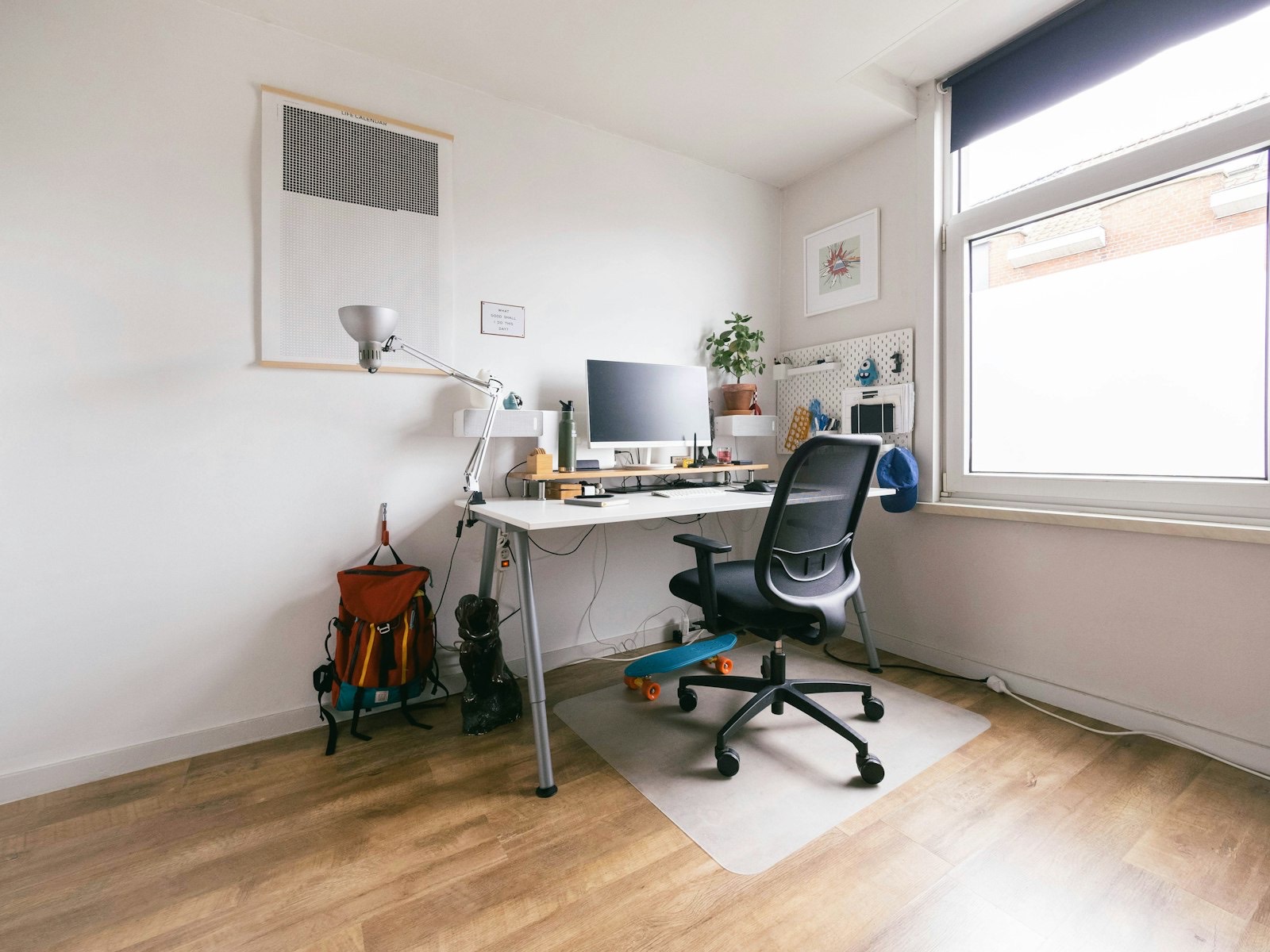
Desks are sold on width and chosen on looks, but the dimension that determines whether you can work at one comfortably is height — and almost every desk sold is the same height.
Twenty-nine inches is the industry standard. It suits someone around five foot ten, and it is wrong for a great many people.
Here is how to size a desk to your room and to yourself, and how to correct the height when the desk cannot change.
Standard Desk Dimensions
| Desk type | Width | Depth | Height | Room needed |
|---|---|---|---|---|
| Writing desk | 40–55″ | 20–24″ | 29–30″ | Fits almost anywhere |
| Standard computer desk | 48–72″ | 24–30″ | 28–30″ | 8 × 10 ft |
| L-shaped / corner | 60–72″ long side, 48–58″ return | 20–30″ | 29–30″ | 10 × 12 ft |
| Sit-stand | 48–72″ | 24–30″ | Adjusts ~25–50″ | 8 × 10 ft plus standing room |
| Secretary / fold-down | 30–40″ | 16–20″ open | 29–30″ | Any room; closes away |
Depth is the specification to check hardest. A 20-inch writing desk cannot hold a monitor at a healthy viewing distance — you need around 24 inches minimum for a screen, and 30 inches is more comfortable.
L-shaped desks are frequently bought for rooms too small for them. They need roughly 10 by 12 feet before the room stops feeling like a desk with some floor attached.
Getting the Height Right
The target is straightforward: elbows at roughly a right angle when your hands are on the keyboard, shoulders relaxed, feet flat on the floor.
| Your height | Ideal desk height | If the desk is a fixed 29″ |
|---|---|---|
| 5′0″–5′4″ | 24–26″ | Raise the chair and add a footrest |
| 5′5″–5′8″ | 26–28″ | Raise the chair slightly; footrest helps |
| 5′9″–6′0″ | 28–30″ | Standard desks suit you as sold |
| 6′1″–6′4″ | 30–32″ | Raise the desk on risers |
Most people are shorter than the desk they own. The fix is not to lower the chair — that drops your elbows below the desk — but to raise the chair to the correct elbow height and support your feet with a footrest.
Dangling feet are the tell. If your heels do not rest flat with the chair at the right height, you need a footrest rather than a different chair.
The Chartered Institute of Ergonomics and Human Factors is the professional body behind much of the workstation guidance these figures come from, and worth reading if you work from home full time.

Clearances Around the Desk
| Gap | Distance | What it allows |
|---|---|---|
| Desk edge to wall behind | 36–39″ | Pushing the chair back and standing up |
| Absolute minimum behind | 30″ | The chair fits, but only just |
| If people walk behind the chair | Add 24″ | Passing without disturbing you |
| Knee clearance under the desk | 24″ wide, 20″ deep | Legs and crossing them |
| Sit-stand desk, standing | Add 12″ in front | Standing back from the surface |
Knee clearance is the one that gets designed out. Desks with a drawer pedestal directly under the centre, or a low modesty panel, cut into the space your legs need — check it by sitting, not by reading the dimensions.
Setting Up the Surface
Once the desk is the right height, a few positioning rules do the rest of the work.
- Monitor at arm’s length — roughly 20 to 30 inches from your eyes
- Top of the screen at or just below eye level, so your gaze angles slightly down
- Keyboard directly in front, not offset to one side of the monitor
- Mouse at the same height as the keyboard and close beside it
- Frequently used items within reach without twisting or standing
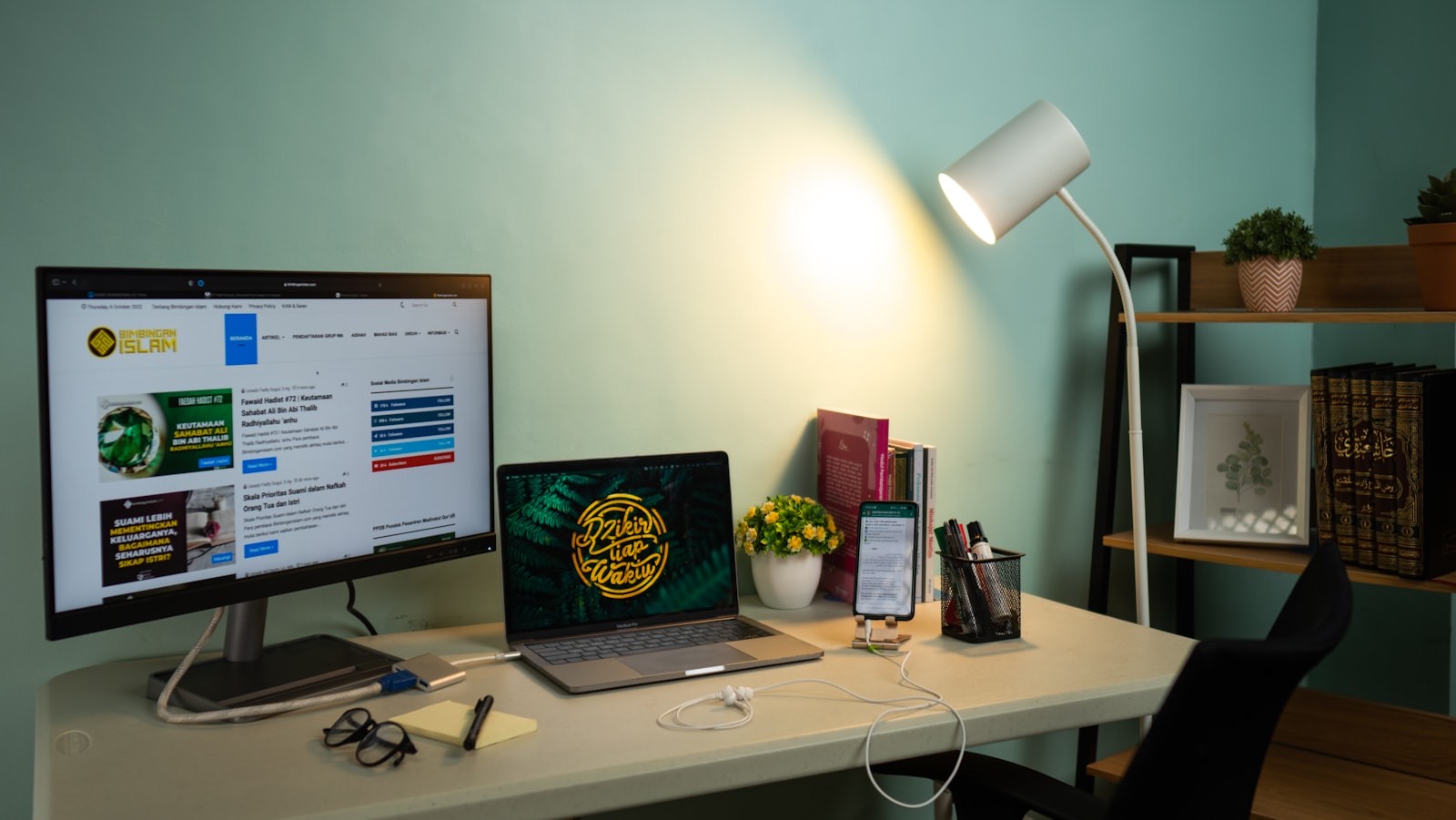
- Screen perpendicular to a window, never facing it or backing onto it
That last point is the most commonly ignored. A window directly behind the monitor forces your eyes to fight the contrast all day; a window directly behind you puts glare on the screen. Perpendicular solves both.
Laptop users need either an external keyboard or a laptop stand. A laptop puts the screen and the keyboard at the same height, and no desk height makes both correct at once.
Where Storage Should Go
Desks with built-in drawers are convenient and inflexible. Separate storage almost always works better in a home office.
- A credenza behind the desk gives you filing without losing legroom
- A mobile pedestal tucks under when not needed and rolls out when it is
- Shelving above uses wall space the desk cannot
- A single shallow drawer in the desk for pens and cables is usually enough
- Keep the printer off the desk entirely — it consumes the most usable surface
Our office credenza guide covers the behind-the-desk layout and the 42 inches of clearance it needs, and our bookcase guide covers shelf spans for the wall above.
Desks in Rooms That Are Not Offices
Most home offices are corners of other rooms, which changes what to buy.
| Situation | Best choice | Why |
|---|---|---|
| Corner of a bedroom | Writing desk, 40–48″ | Reads as furniture, not office equipment |
| Guest room that must stay tidy | Secretary or fold-down | Closes completely when guests arrive |
| Living room alcove | Console-depth desk, 20–24″ | Shallow enough not to intrude |
| Dedicated office | L-shaped or sit-stand | Maximum surface and adjustability |
| Shared by two people | Two writing desks, not one large | Independent positions and lighting |
A vanity can double as a desk at 48 inches or wider, since vanity and desk heights are near identical — our vanity guide covers that overlap. A cabinet-style workstation that shuts away is covered in our armoire guide.
Whatever the room, put the desk where daylight falls across it rather than behind the screen or directly in front of you. Our home lighting guide covers the task lighting to add for the rest of the day.
Frequently Asked Questions
What is the standard desk height?
Between 28 and 30 inches, with 29 the most common. That suits someone around five foot ten; shorter and taller users generally need to adjust the chair or raise the desk.
How deep should a desk be?
At least 24 inches if you use a monitor, and 30 is more comfortable. Writing desks at 20 inches are fine for a laptop and paperwork but too shallow for a screen at a healthy distance.
How much space do I need behind a desk?
Thirty-six to thirty-nine inches to push the chair back and stand comfortably. Thirty inches is the absolute minimum, and you should add another 24 if anyone walks behind the chair.
What size room do I need for an L-shaped desk?
Around 10 by 12 feet. Below that the desk dominates the room and the clearance behind the chair usually disappears on one of the two runs.
Are standing desks worth it?
If you work at the desk for hours daily, the ability to change position is the real benefit rather than standing all day. Check the height range covers both your seated and standing figures before buying.
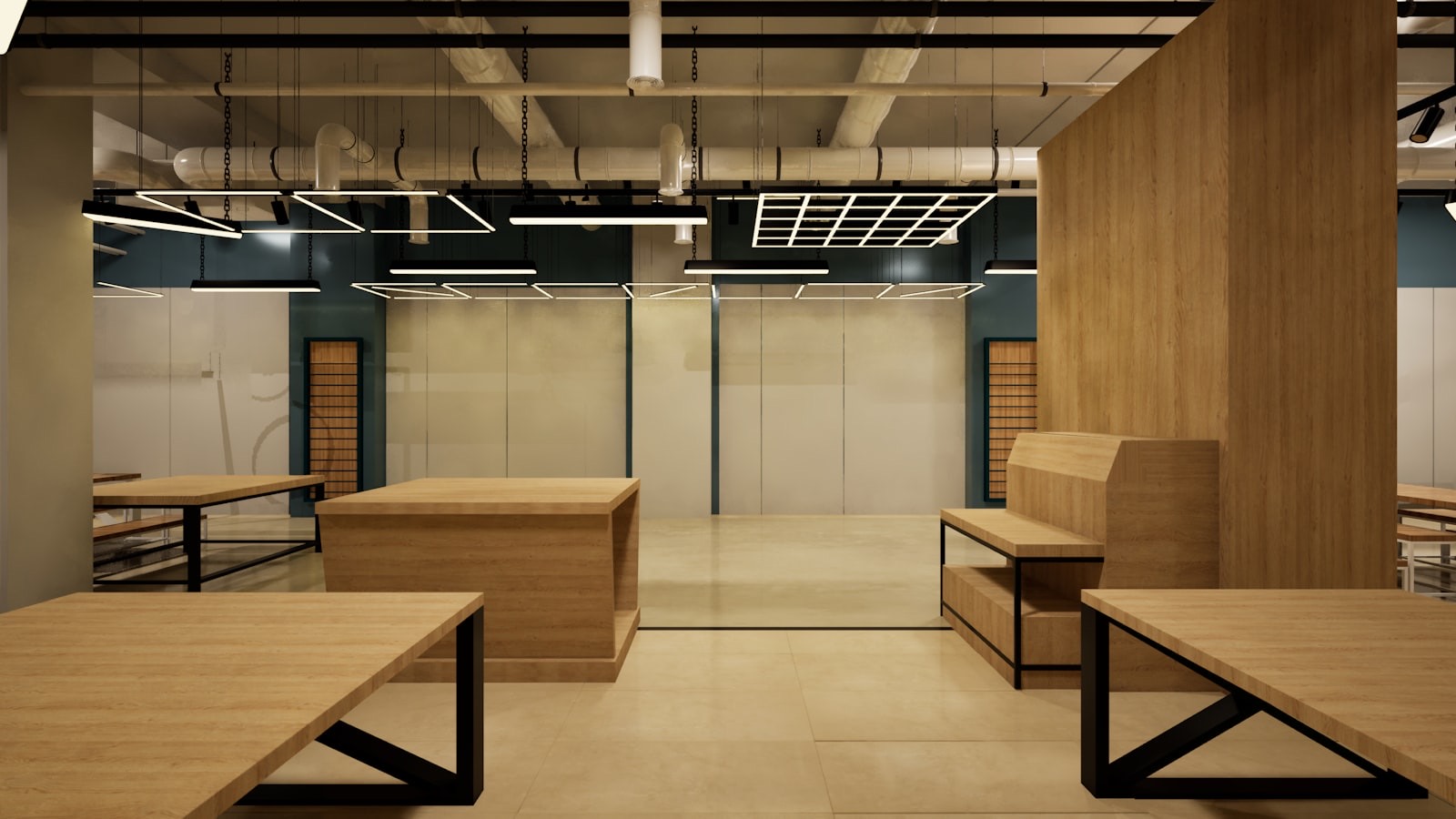
Sit at It First
Desk height, knee clearance and depth are all things you establish in ten seconds sitting down and cannot establish at all from a specification.
Our home office furniture range in Newport News covers writing desks, computer desks and storage, with credenzas and bookcases to match.
Setting up a whole office? See our guides to credenzas and office storage, bookcases and shelving and lighting for task work.
Working from a bedroom or living room corner instead? Browse bedroom and living room furniture for pieces that do not read as office equipment.
Check clearance and specials, spread the cost with no-credit furniture financing, and see our delivery guide — L-shaped desks arrive in large sections. Unsure what fits? Send our Newport News team your room dimensions.