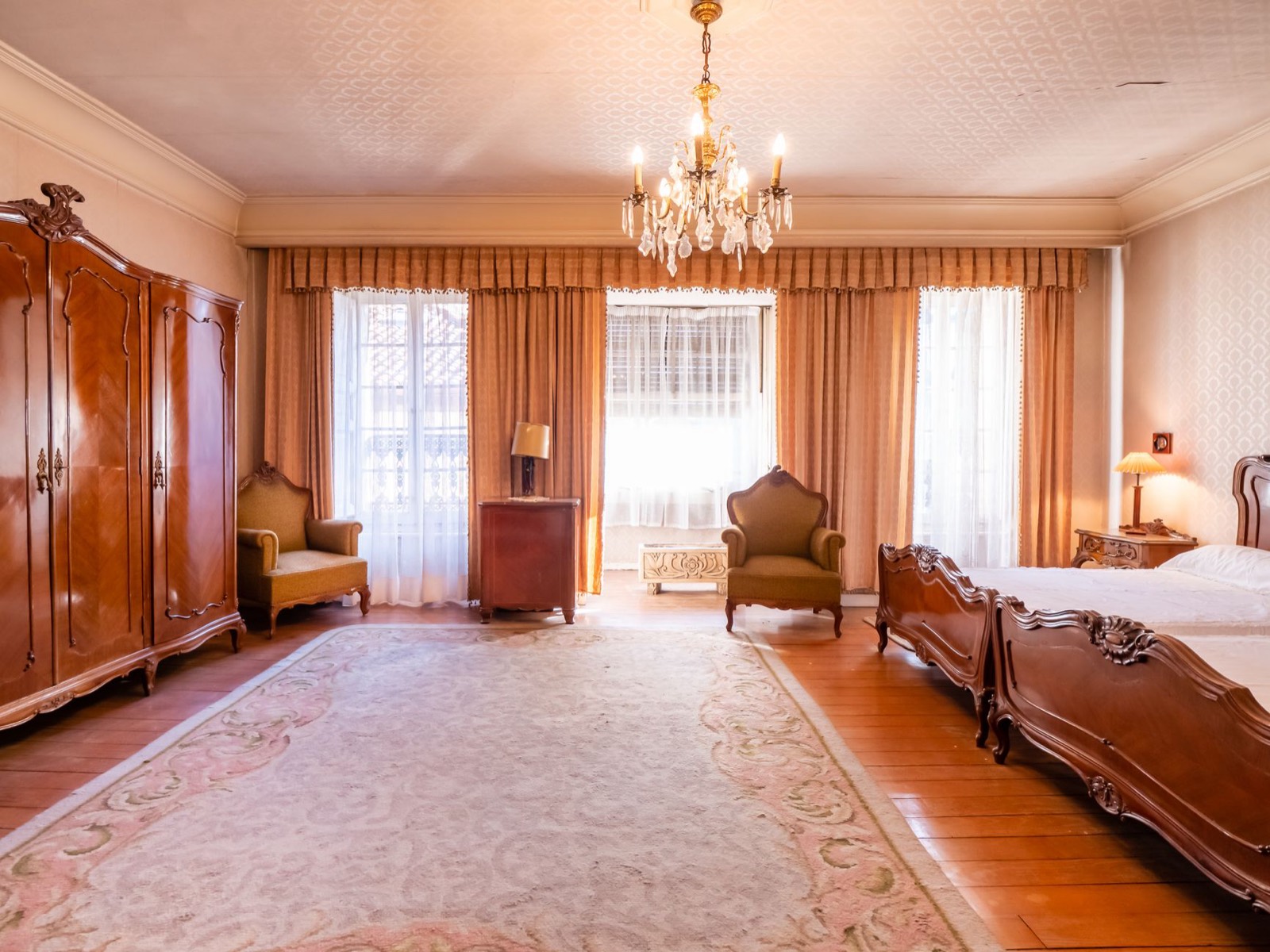
Armoires solve a problem most modern furniture ignores: what to do when a room has no closet, or a closet far too small for the person using it.
They are also the piece most likely to be bought without checking the interior — and the interior is the entire point.
Here is how armoires are laid out inside, what actually fits, and when a dresser or closet system is the better answer.
Armoire, Wardrobe or Dresser?
| Armoire / wardrobe | Dresser | Chifforobe | Closet system | |
|---|---|---|---|---|
| Stores | Hanging clothes plus shelves | Folded clothes only | Both, in one narrow unit | Everything, if space allows |
| Typical width | 40–50″ | 35–58″ | 30–40″ | Fitted |
| Typical height | 60–80″ | 30–50″ | 60–72″ | Floor to ceiling |
| Typical depth | 20–24″ | 18–24″ | 18–22″ | 24″ |
| Moves with you | Yes | Yes | Yes | No |
Depth is the number that decides whether an armoire works at all. Clothes on hangers need around 22 to 24 inches front to back; anything shallower and the doors will not close over a shoulder.
If you only need to store folded clothes, a dresser gives you more capacity for the footprint — our dresser buying guide covers that comparison in detail.
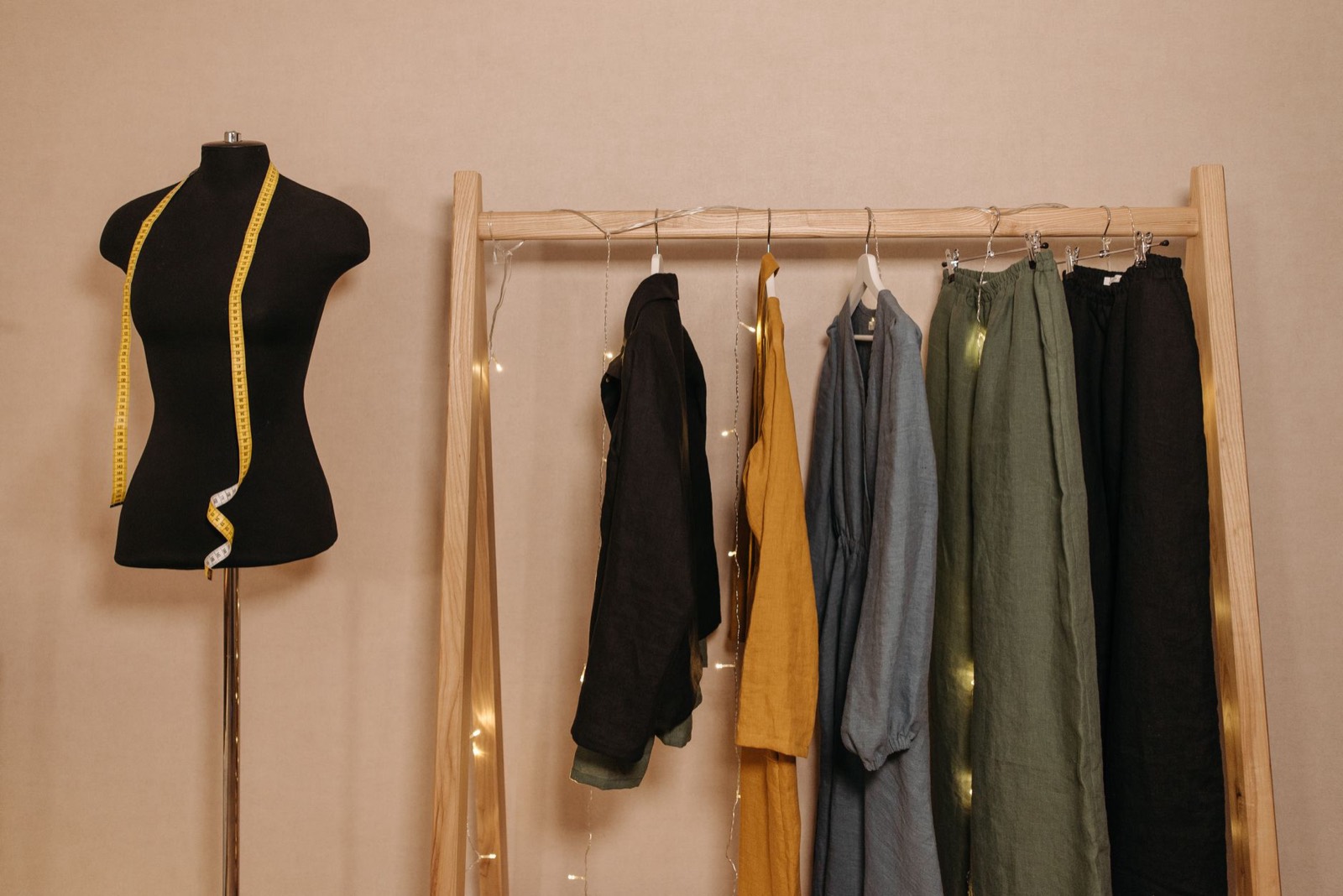
Inside: The Heights That Matter
A well-laid-out armoire follows the same conventions as a fitted closet, scaled down.
| Element | Height from the base | Holds |
|---|---|---|
| Floor shelf or open base | 8–10″ | Shoes, bags, storage boxes |
| Lower rod (double-hang) | 40–42″ | Shirts, jackets, folded trousers |
| Single rod | ~66″ | Most clothing; the standard setup |
| Upper rod (double-hang) | ~80″ | Long coats and dresses |
| Top shelf | 72–75″ | Seasonal and rarely used items |
Leave one to two inches between the top of a rod and the shelf above it. Any less and hangers catch every time you pull something out.
Interior shelves in an armoire usually run 10 to 12 inches deep rather than the 12 to 16 inches of a fitted closet. That is deliberate — deeper shelves in a narrow cabinet just lose items at the back.
Single rod or double?
A double-hang section roughly doubles the hanging capacity for shirts and jackets, but nothing long will fit there. If you own coats, dresses or suit bags, keep at least one full-height section.
How Much Does One Actually Hold?
Hanging capacity is easier to estimate than most people assume. Allow roughly one inch of rod per garment for shirts, and closer to two for coats and jackets.
| Armoire width | Usable rod | Shirts (approx.) | Coats and jackets |
|---|---|---|---|
| 36″ | ~32″ | 30 | 16 |
| 42″ | ~38″ | 36 | 19 |
| 48″ | ~44″ | 42 | 22 |
| 48″ with double-hang | ~88″ combined | 80 | Short items only |
Subtract three to four inches from the external width for the carcass and door thickness. That difference is why a 42-inch armoire holds noticeably less than a 42-inch closet opening.
Bulky winter coats change the arithmetic considerably. If you are storing outerwear for a whole household, plan on roughly half the shirt figure.
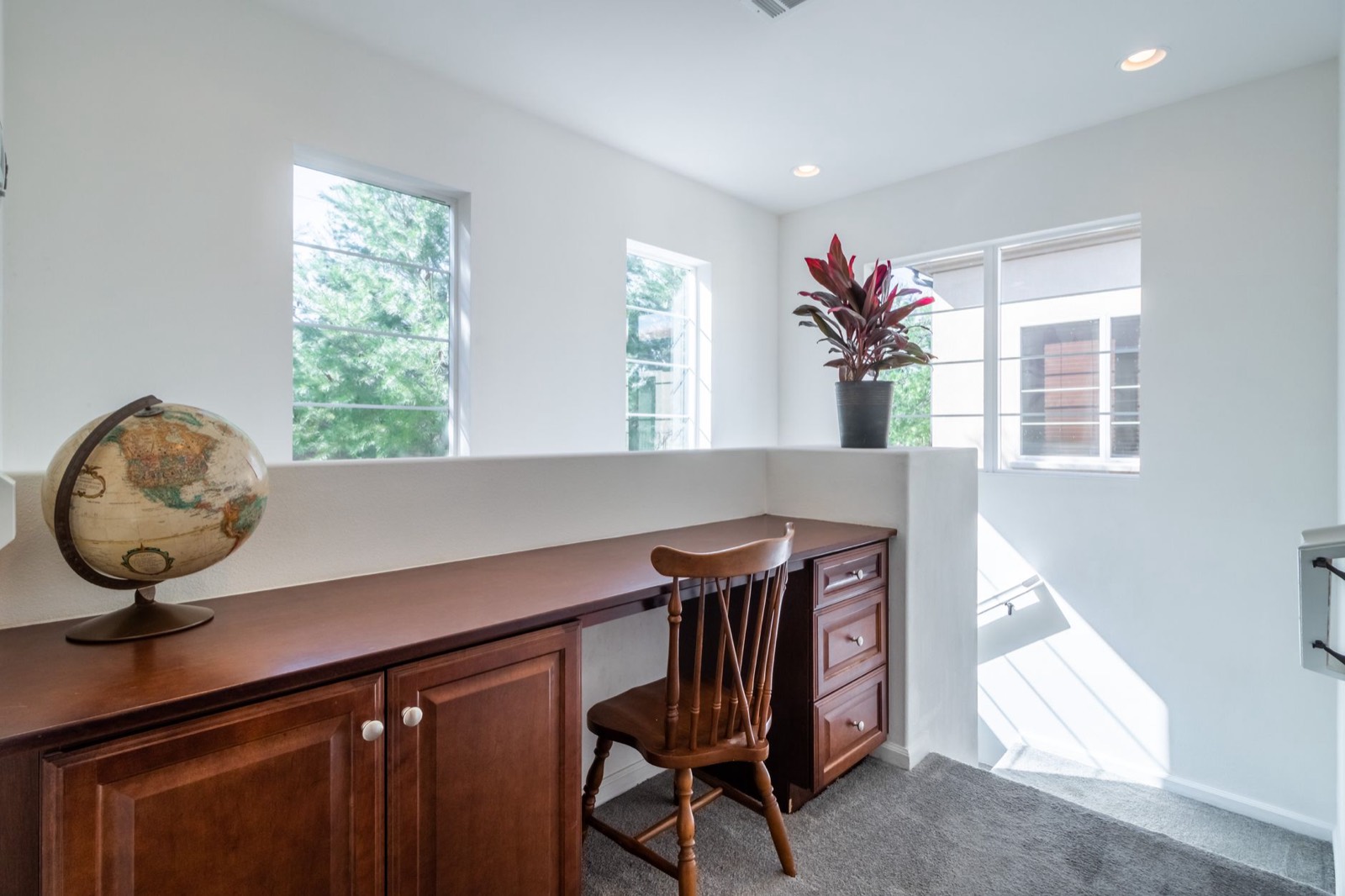
The Computer Armoire
A separate branch of the category exists for home offices: an armoire fitted out as a workstation, with a pull-out keyboard surface, cable access and shelving instead of a hanging rod.
- The point is that the doors close — the whole office disappears at the end of the day
- Check the work surface is at desk height, around 29–30 inches
- Confirm there is a cable pass-through; a sealed cabinet cannot house a laptop charger safely
- Look for ventilation if any equipment stays powered inside
- Measure the seated legroom — many are shallower than a real desk
These suit a bedroom or living room corner where a permanent desk would be intrusive. For a dedicated office, a proper desk and storage combination is more comfortable — see our office credenza and storage guide.
Placement and Practicalities
- Allow 30–36 inches of clear floor in front for doors and drawers to open
- Check the door swing — bi-fold or sliding doors need far less clearance than hinged
- Measure ceiling height; at 80 inches an armoire will not tilt upright in a low room
- Anchor it to the wall, particularly anything over 60 inches tall
- Confirm it comes apart, or check the diagonal depth against your stairwell
The tilting problem catches people out. A tall armoire delivered flat has to be raised upright inside the room, and that requires more ceiling height than the finished piece occupies.
Storing clothes well
An enclosed cabinet is drier and darker than an open rail, which is good for fabric, but it also means less airflow.
- Never store anything damp — Virginia humidity plus a closed cabinet grows mildew quickly
- Leave a little space between garments so air can move
- Cedar blocks or lavender deter moths without the smell of mothballs
- Store woollens clean; moth larvae feed on residue, not the fibre alone
University extension services publish reliable, non-commercial guidance on this — UGA Extension is a good example, with practical material on textile care and household pest prevention.

Frequently Asked Questions
How deep does an armoire need to be?
Around 22 to 24 inches for hanging clothes, since a garment on a hanger occupies that much front to back. Shallower units only work for folded items or front-facing rails.
What height should a closet rod be?
About 66 inches from the floor for a single rod. A double-hang setup uses roughly 80 inches for the upper rod and 40 inches for the lower one.
What is the difference between an armoire and a wardrobe?
In everyday American usage, very little — both are freestanding cabinets with hanging space. Historically an armoire was the more decorative French form; today retailers use the words interchangeably.
Do armoires need to be anchored?
Yes, especially anything over 60 inches tall. They are tall, narrow and become top-heavy when the upper shelf is loaded, which is exactly the tip-over profile to avoid around children.
Is an armoire better than a dresser?
Only if you need hanging space. For folded clothes alone a dresser holds more per square foot of floor. If the room has no closet at all, an armoire is usually the only practical option.
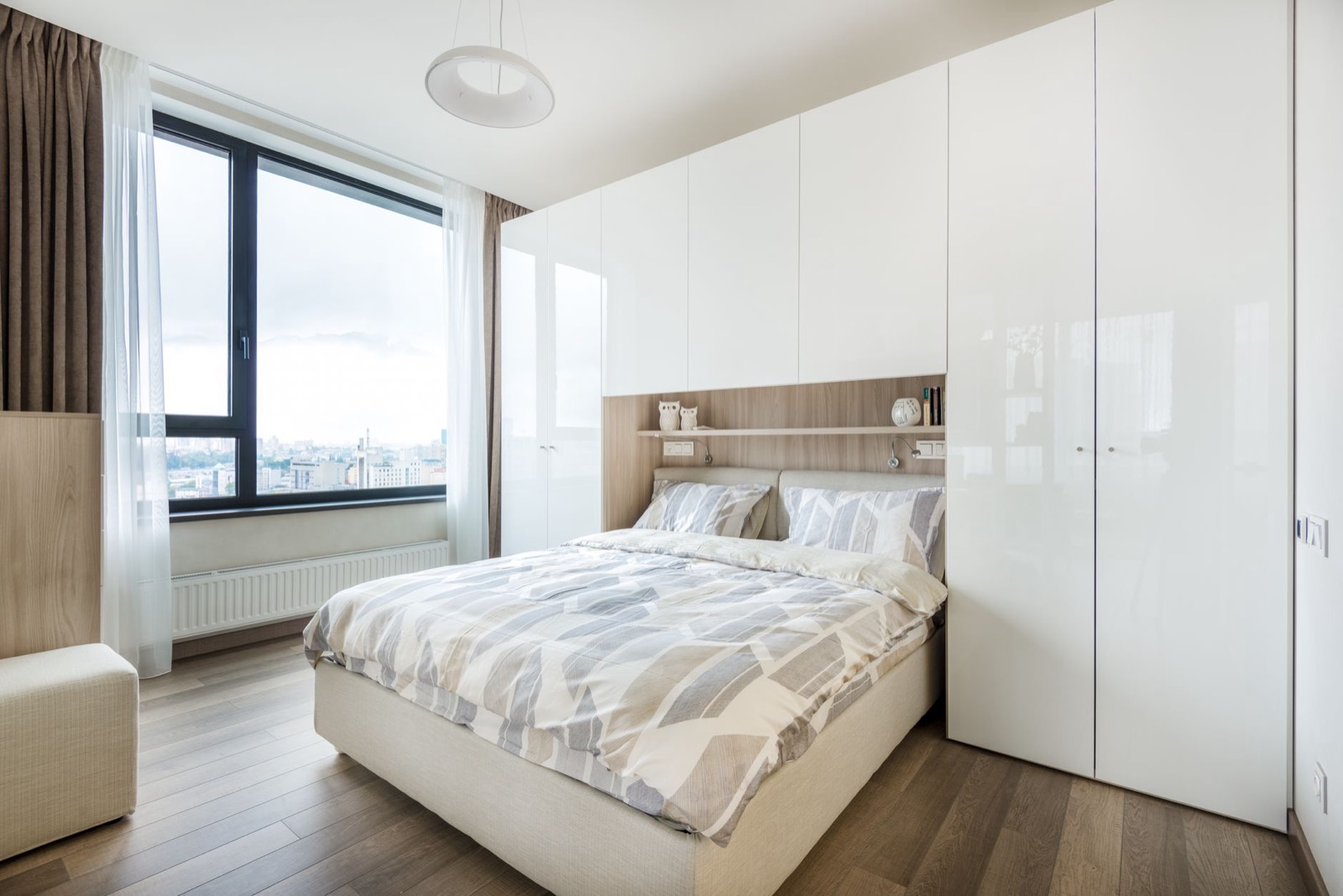
Open the Doors Before You Buy
Interior layout varies enormously between models that look identical from outside. Measure the hanging section and count the shelves before deciding.
Our bedroom furniture range in Newport News includes armoires and wardrobes alongside dressers and chests, so you can compare capacity directly.
Planning a full bedroom? Our guides to dressers, nightstands and bed frames cover the rest of the room, and the mattress size chart shows how much wall you will have left.
For a child’s room, see kids bedroom furniture and storage, and for a workstation version browse home office furniture.
Check clearance and specials, spread the cost with no-credit furniture financing, and read our delivery guide — armoires are among the hardest pieces to get upstairs. Ask our Newport News team about ceiling clearance before ordering.