Most households need less filing than they think and store it worse than they should. The paperwork that genuinely matters — deeds, titles, birth certificates, warranties — is usually in a drawer somewhere with the takeaway menus.
A filing cabinet is not really about volume. It is about being able to find one document in ten years, and about that document still being legible when you do.
Here is how the formats differ, which suits a home office, and what fire ratings actually mean.
Lateral or Vertical?
| Lateral | Vertical | |
|---|---|---|
| Files run | Side to side, across the drawer | Front to back, along the drawer |
| Typical width | 30–42″ | 15–18″ |
| Drawer extension | Shallow — around 18″ | Deep — 25″ or more |
| Floor space | Wide but shallow | Narrow but needs depth in front |
| Takes letter and legal | Usually both | Bought as one or the other |
| Doubles as a surface | Yes — a usable top | Too narrow to be useful |
| Cost | Higher | Lower |
The counterintuitive point is the drawer extension. A lateral cabinet is wider but sticks out far less when open, which makes it the better choice in a tight room despite its size.
A vertical cabinet needs around 25 inches of clear floor in front of it. In a small home office that is often the deciding factor, and it is why so many vertical cabinets end up permanently half-open.
Our office credenza guide covers the alternative — filing built into a credenza, which gives you a work surface at the same time.
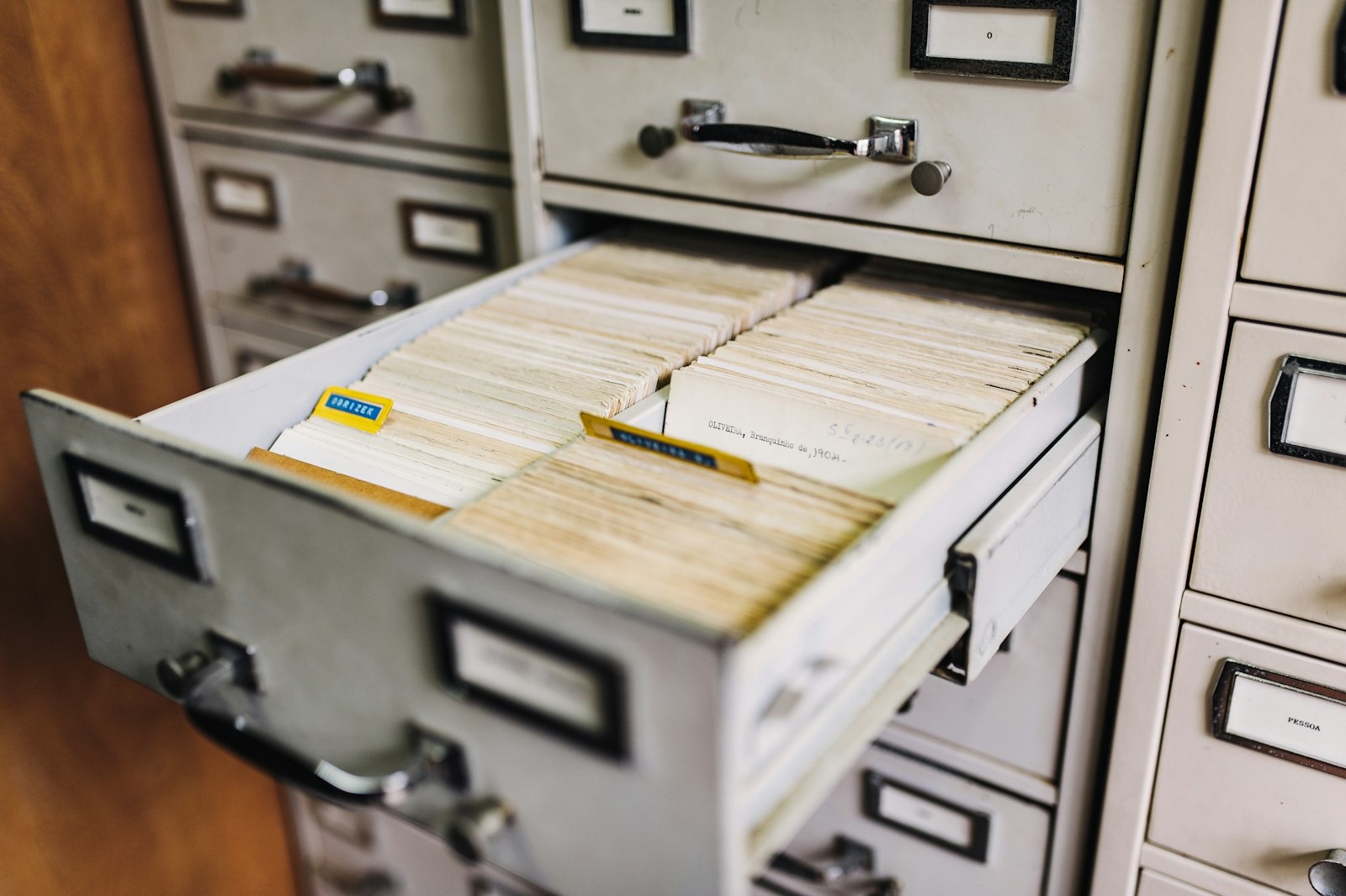
Letter or Legal
| Format | Paper size | Drawer width needed | Who needs it |
|---|---|---|---|
| Letter | 8.5″ × 11″ | ~11″ of filing width | Almost every household |
| Legal | 8.5″ × 14″ | ~14″ of filing width | Legal, real estate, some medical records |
| Adjustable rails | Either | Converts between the two | Anyone unsure — the safe choice |
Buy adjustable rails if you have any doubt. Legal-size documents in a letter-only drawer have to be folded, and folded documents crease along the same line until they tear.
Most home paperwork is letter size. The exception is anything from a closing, a court or an older medical practice, which is precisely the paperwork you keep longest.
Fire Ratings: What They Actually Mean
“Fireproof” is marketing language. The meaningful term is a tested fire rating, and it is specific about what is being protected.
- UL Class 350 means the interior stays below 350°F — the point at which paper begins to char
- Ratings are given in hours: one hour and two hours are the common household options
- Only cabinets tested and certified by an independent laboratory such as UL or ETL carry a real rating
- Class 350 protects paper. Digital media needs a lower-temperature rating to survive
- Fire-rated cabinets are considerably heavier — check the floor and the route in
- Water damage from firefighting is a separate risk; look for a water-resistance claim too
The digital media point catches people out. A drawer that keeps paper intact will still be far too hot inside for a hard drive or a USB stick to survive.
For genuinely irreplaceable originals, a fire rating is not the whole answer. The National Archives’ preservation guidance covers storing documents so they survive decades — stable temperature, moderate humidity, no direct light and acid-free enclosures.

What to Keep, and Where
| Document | Keep | Store |
|---|---|---|
| Deeds, titles, wills | Permanently | Fire-rated cabinet or a safe deposit box |
| Birth, marriage, military records | Permanently | Fire-rated, with digital copies elsewhere |
| Tax records | Several years | Ordinary filing drawer |
| Furniture and appliance warranties | Life of the item | Ordinary drawer, one folder |
| Utility bills, statements | A year or less | Shred once reconciled |
| Manuals | Life of the item | Increasingly unnecessary — most are online |
Warranty paperwork deserves its own folder. Almost every furniture and appliance claim requires proof of purchase, and our warranty guide explains what else you need to keep alongside the receipt.
A single hanging folder labelled clearly beats an elaborate system nobody maintains. The test of a filing cabinet is whether someone else could find a document in it.
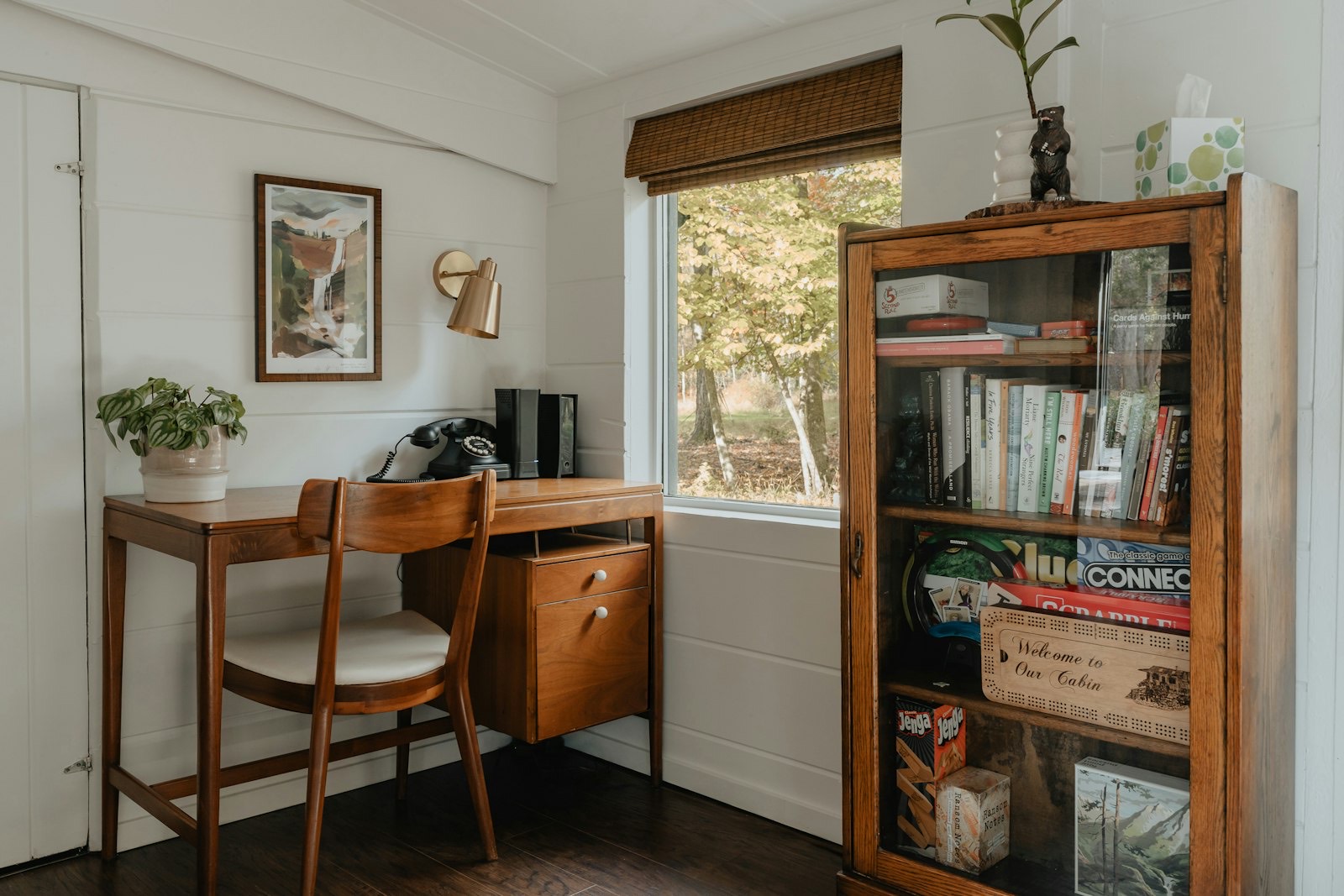
Buying Checks
- Pull a drawer fully out loaded — it should not sag or tip the cabinet forward.
- Look for full-extension ball-bearing glides; paper is heavy and partial extension hides the back files.
- Check for an anti-tip interlock that stops two loaded drawers opening at once.
- Confirm the drawers take hanging folders without a separate frame.
- Check the lock if the cabinet holds anything sensitive, and that you get two keys.
- Measure the drawer extension against your available floor space.
- Weigh up the finish — a wood-look lateral reads as furniture; a steel vertical does not.
Point three is a genuine safety feature rather than a convenience. A two-drawer cabinet with both drawers loaded and open will tip forward, and file drawers are heavy enough to injure.
How many drawers do you need?
| Drawers | Height | Holds roughly | Suits |
|---|---|---|---|
| 2 | 28–30″ | One household’s active files | Most homes; doubles as a surface |
| 3 | 40–42″ | Active files plus several years of archive | Home businesses |
| 4–5 | 52–65″ | Substantial archive | Rarely needed domestically |
Two drawers is enough for most households, and the top lands at roughly desk height so it can hold a printer. Buying four drawers usually results in two of them holding nothing for a decade.
Frequently Asked Questions
What is the difference between lateral and vertical filing cabinets?
Files run side to side in a lateral cabinet and front to back in a vertical one. Laterals are wider but extend only about 18 inches when open; verticals are narrow but need 25 inches of clear floor in front.
Do I need letter or legal size?
Letter covers almost all household paperwork. Choose legal, or a cabinet with adjustable rails, if you keep property closings, court documents or older medical records.
What does a UL Class 350 fire rating mean?
That the inside of the cabinet stays below 350°F for the rated period, which is the temperature at which paper begins to char. It protects paper — digital media needs a lower-temperature rating.
Which filing cabinet is better for a small home office?
Usually a lateral, despite being wider. Its shallow drawer extension needs far less clear floor, and the top doubles as a usable surface for a printer.
Are fireproof filing cabinets worth it?
For deeds, titles and vital records, yes — or use a safe deposit box. For tax paperwork and warranties, an ordinary cabinet plus digital copies stored elsewhere is usually sufficient.
Measure the Floor in Front
The drawer extension, not the cabinet width, is what decides whether a filing cabinet works in your room. Measure that space before anything else.
Our home office furniture range in Newport News covers filing storage, credenzas, desks and bookcases, and you can load a drawer and pull it out before deciding.
Building a whole office? See our guides to desk sizes and heights, office chair adjustments and bookcases and shelf spans.
Humidity affects stored paper as much as it affects furniture — our furniture care guide covers the indoor range to aim for in a coastal home.
Check clearance and specials, spread the cost with no-credit furniture financing, or ask our Newport News team what will fit your office.