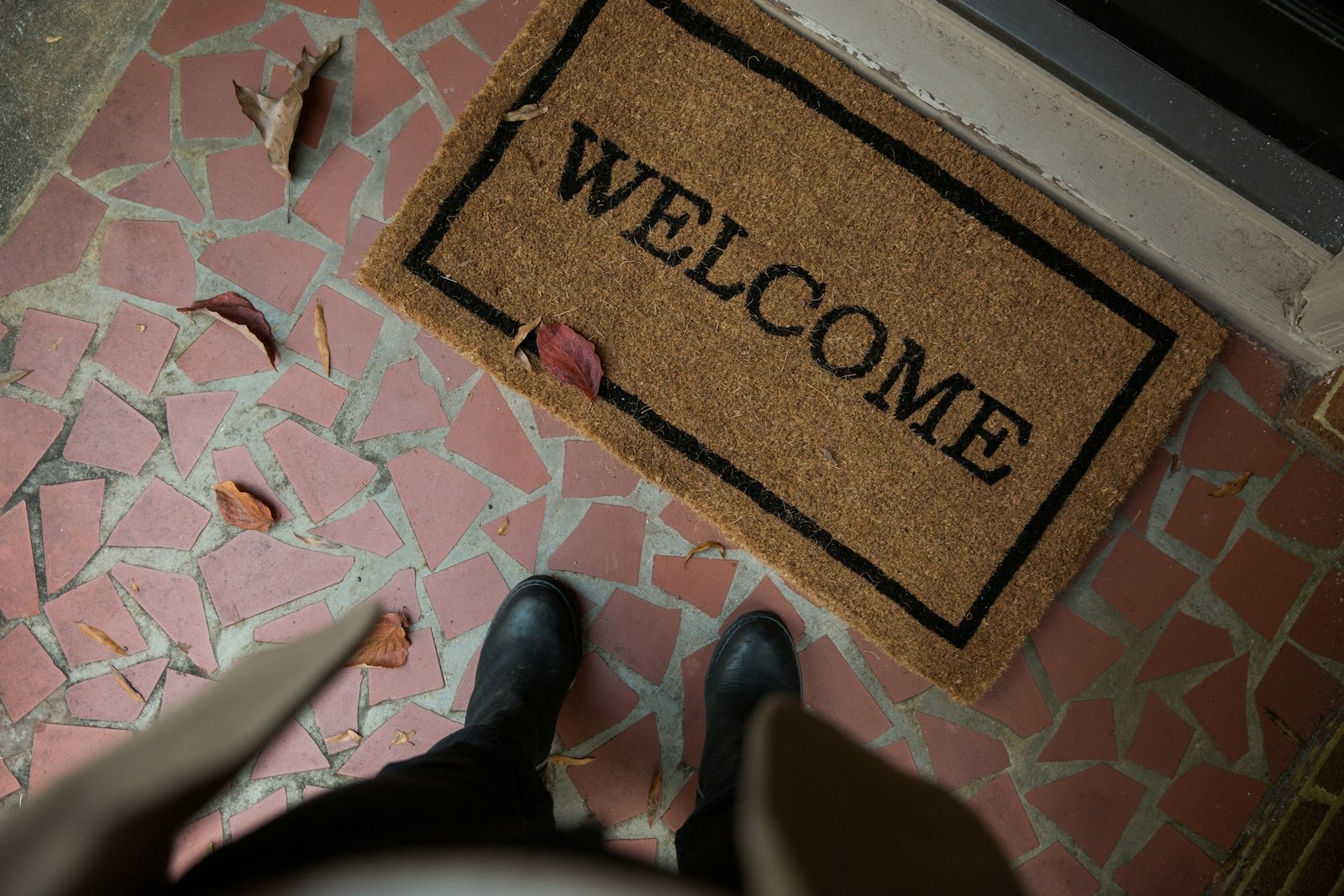
The entryway is the smallest room in most houses and the one that fails hardest. Everything enters through it and a good deal of it never leaves.
Shoes, coats, bags, post and keys all arrive at the same door within about ninety seconds of anyone getting home, and if there is nowhere obvious for them they land on the floor.
Here is what actually fixes that, sized to the space you have.
The Options, by Footprint
| Piece | Width | Depth | Does |
|---|---|---|---|
| Hall tree | 30–50″ | 15–24″ | Hooks, bench and shoe storage in one unit |
| Bench with shoe storage | 36–48″ | 14–16″ | Seating and shoes; hooks go on the wall |
| Console table | 36–48″ | 10–14″ | Surface for keys and post; no shoe storage |
| Shoe cabinet | 24–40″ | 10–14″ | Shoes hidden behind doors; shallow tip-out fronts |
| Wall hooks alone | Any | 3–5″ | Coats only; zero floor space |
| Freestanding coat rack | ~18″ circle | ~18″ | Coats; tips over easily when overloaded |
A hall tree does the most in one footprint, which is why it dominates the category. The trade-off is depth — at 18 to 24 inches it is the deepest thing on the list.
In a narrow hall, depth beats every other consideration. Our console table guide covers the corridor clearance you must not eat into, and a wall-mounted solution is often the only honest answer.
Sizing It to the Household
| Household | Hooks needed | Shoe capacity | Sensible piece |
|---|---|---|---|
| One or two adults | 4–6 | 4–6 pairs | Bench plus wall hooks |
| Family of three or four | 8–14 | 10–14 pairs | Full hall tree, three tiers |
| Larger family | 14+ | 16+ pairs | Hall tree plus a separate shoe cabinet |
| Apartment, one person | 2–4 | 3–4 pairs | Wall hooks and a slim shoe cabinet |
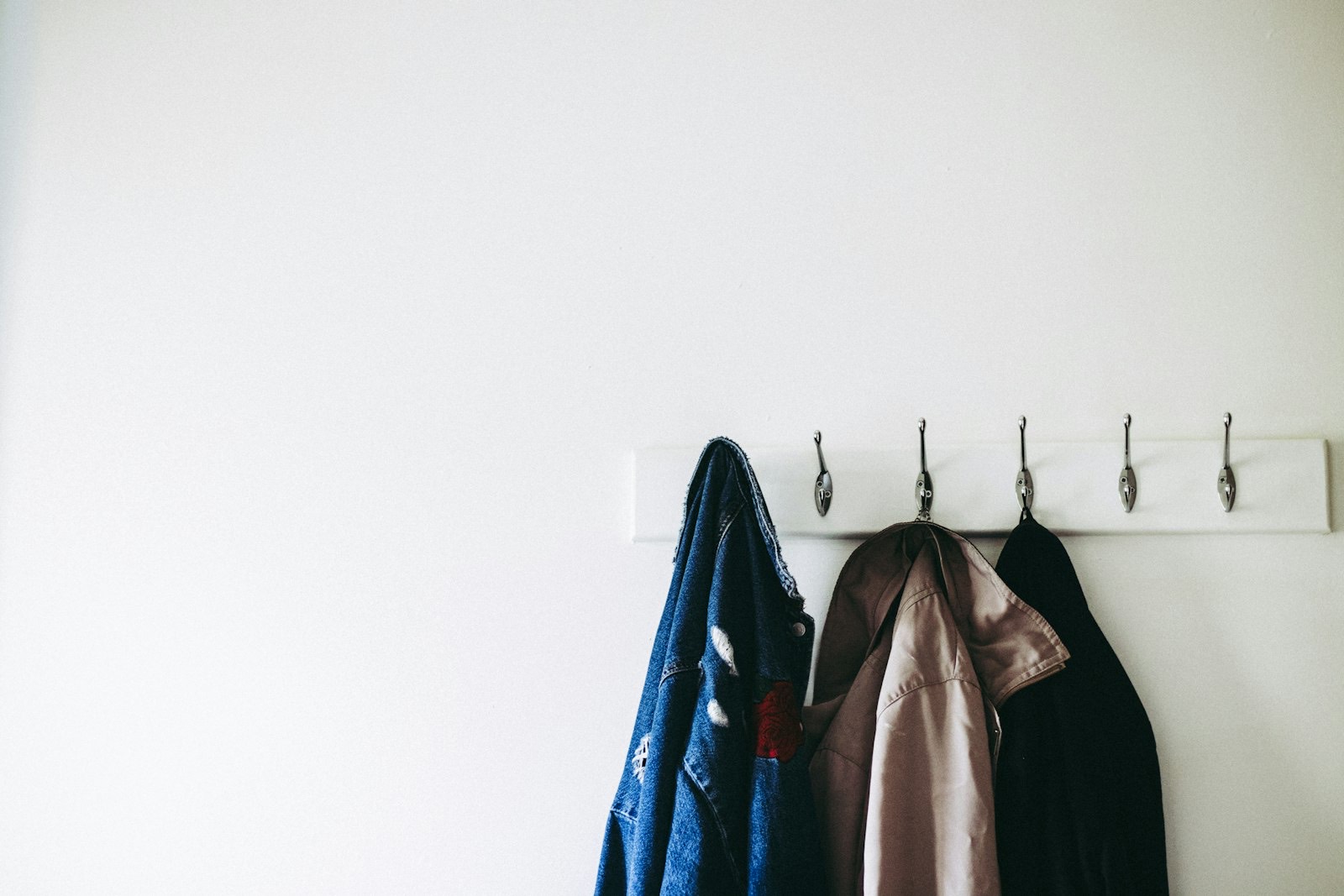
Double-pronged hooks are worth seeking out. Seven of them give you fourteen hanging points in the same width, which is the difference between coats and coats-plus-bags.
Count shoes honestly. Most households own considerably more pairs than they estimate, and an entryway rack only works if the everyday pairs fit — the rest belong in a bedroom.
Wet Shoes and Damp Coats
This is the part that gets designed out, and it matters more on the Virginia coast than in a dry climate.
- Open shelving beats closed cabinets for shoes — wet trainers in a sealed box stay wet
- A slatted or wire shelf lets air move around a sole; a solid one does not
- Leave a gap between the lowest shelf and the floor so the floor can dry
- Use a washable tray for boots rather than letting them sit on wood
- Hooks with spacing let coats hang apart and dry; a crowded rail keeps them damp
Persistent damp in an enclosed entryway is a genuine mould risk rather than just an odour problem. The EPA’s guidance on mould and moisture is worth reading if your hall has no window and takes wet outdoor gear daily.
Practically: choose open storage for shoes, closed storage for the things that make a hall look cluttered, and let air reach everything that comes in wet.
Heights That Work
| Element | Height from floor | Note |
|---|---|---|
| Bench seat | 17–19″ | Comfortable for putting shoes on |
| Adult coat hooks | 60–66″ | Long coats clear the bench below |
| Children’s hooks | 36–42″ | Low enough that they actually get used |
| Upper shelf | 72–78″ | Hats, seasonal items, out of daily reach |
| Mirror centre | 58–62″ | A last check on the way out |
A separate row of low hooks for children is the single most effective change in a family entryway. Coats end up on hooks rather than the floor because the hooks are reachable.
Check that long coats hanging from adult hooks do not cover the bench. If they do, raise the hooks or accept that nobody will sit down.
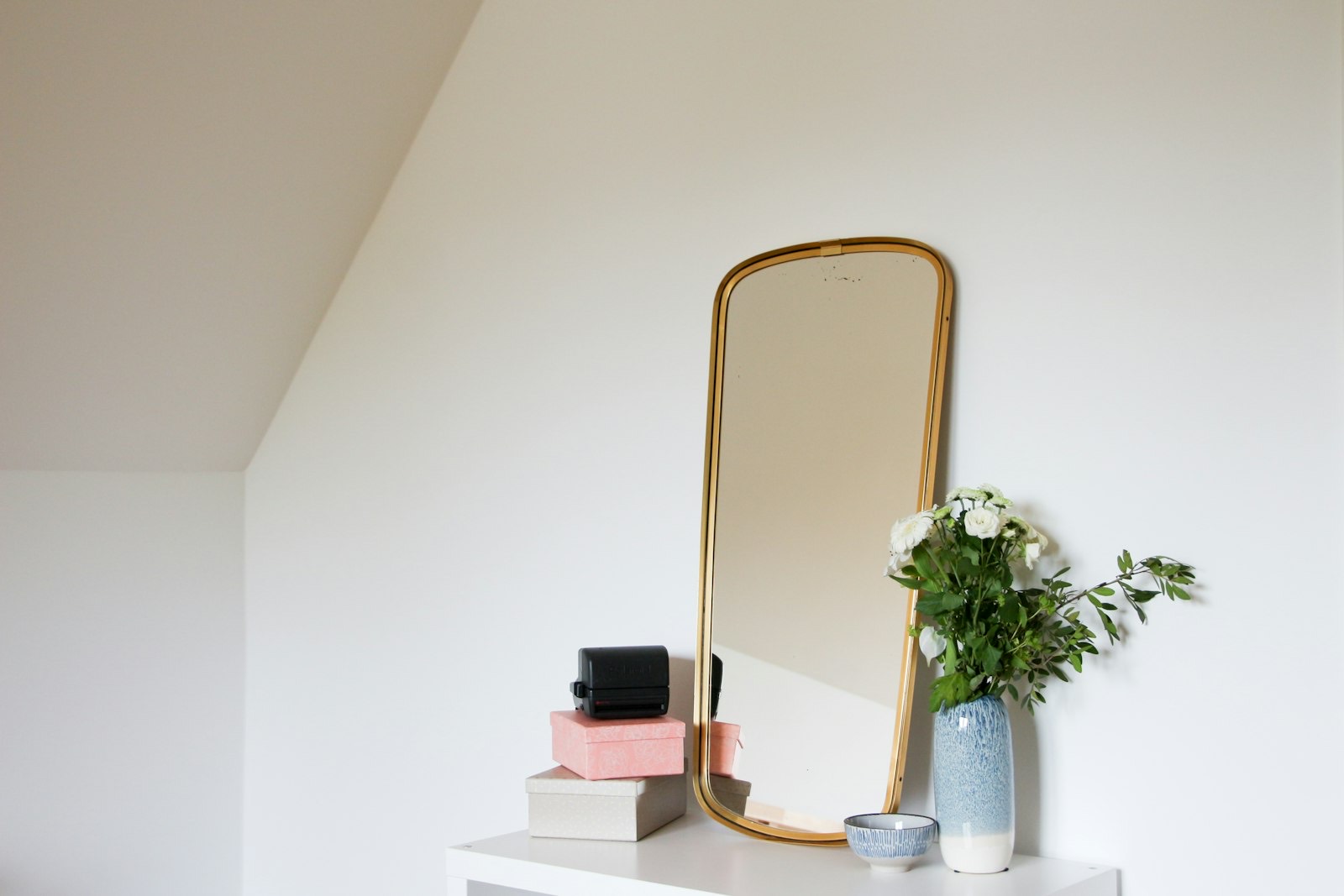
A mirror above the piece makes a dark hall feel considerably larger — our wall mirror guide covers sizing it to the furniture below.
Anchoring and Practicalities
- Anchor tall hall trees to the wall. They are narrow, top-heavy when loaded, and children climb the shelves
- Freestanding coat racks tip over readily — weight the base or choose wall hooks instead
- Wall hooks holding heavy winter coats need to hit studs, not drywall alone
- Add a tray or bowl for keys; corralled clutter reads as intentional
- Leave the bench seat clear — the moment it becomes a shelf, nobody sits on it
The anchoring point applies to hall trees more than most furniture. At around 70 inches tall and under 20 inches deep, loaded with coats at the top, they are exactly the tip-over profile to secure.
When There Is No Entryway At All
Plenty of homes open straight into the living room. That is a layout problem rather than a storage one, and it has its own solutions.
- Define the zone visually — a small rug or a change in flooring marks where the entry ends
- Use the back of a sofa as the boundary, with a console behind it doing entry duty
- Go vertical on the door wall — hooks and a shelf take no floor at all
- A single narrow cabinet beside the door handles shoes without announcing itself
- Keep it visually quiet. Entry storage in a living room should read as furniture, not as a mudroom
The rug trick does most of the work. A defined patch of floor by the door gives shoes an obvious destination even when there is no separate room, and it stops them migrating across the living space.

Frequently Asked Questions
What is a hall tree?
A single unit combining coat hooks, a bench and shoe storage, usually with a shelf on top. Typically 30 to 50 inches wide and 15 to 24 inches deep, it does the work of three separate pieces.
How high should coat hooks be?
Sixty to sixty-six inches for adults, so long coats clear a bench beneath. Add a second row at 36 to 42 inches for children — hooks they can reach are hooks they will use.
How deep can entryway furniture be in a narrow hall?
Keep it under about 14 inches in a corridor, and measure the remaining clear width before buying. Wall-mounted hooks and a slim shoe cabinet often work where a hall tree simply will not fit.
Should entryway shoe storage be open or closed?
Open, in most cases. Wet shoes in a closed cabinet stay damp and develop odour, and in a humid climate that becomes a mould problem. Slatted or wire shelving lets air reach the soles.
How many pairs of shoes does a hall tree hold?
Typically six to ten pairs across two or three tiers, and up to fourteen on a larger three-tier unit. Store everyday pairs there and keep the rest in a bedroom.
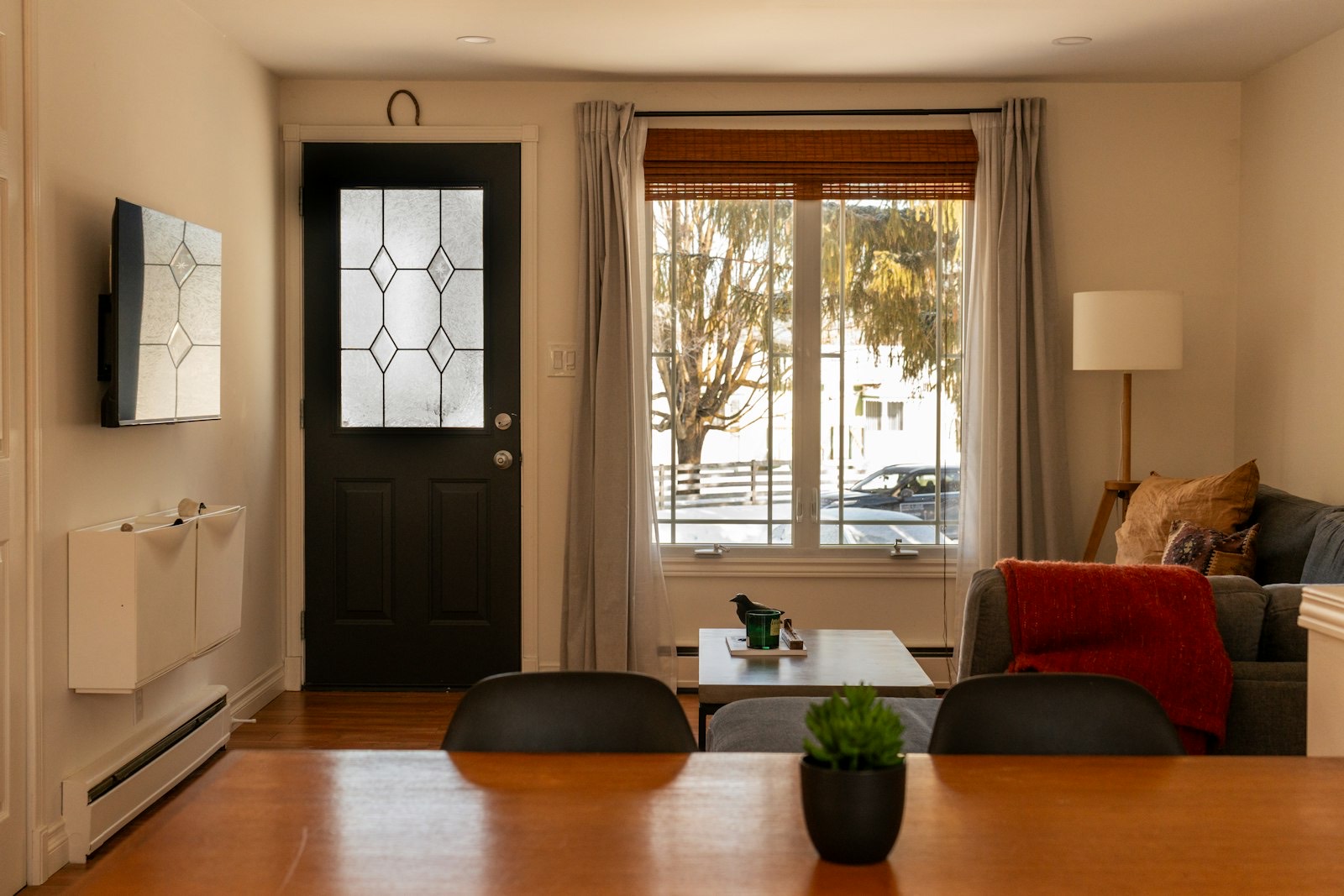
Measure the Corridor First
Depth decides this purchase. Measure the clear width of the hallway, subtract what the piece will take, and check what is left is still comfortable to walk through carrying bags.
Our home accents and storage range in Newport News includes hall storage, mirrors and lamps that suit an entryway.
For the seating element, see our bench sizing guide; for a surface without shoe storage, the console table guide; and for enclosed storage that reads as furniture, the accent cabinet guide.
Damp is the enemy of hall furniture — our furniture care guide covers protecting wood in a humid coastal home.
Check clearance and specials, or send our Newport News team your hallway width and we will tell you what fits.