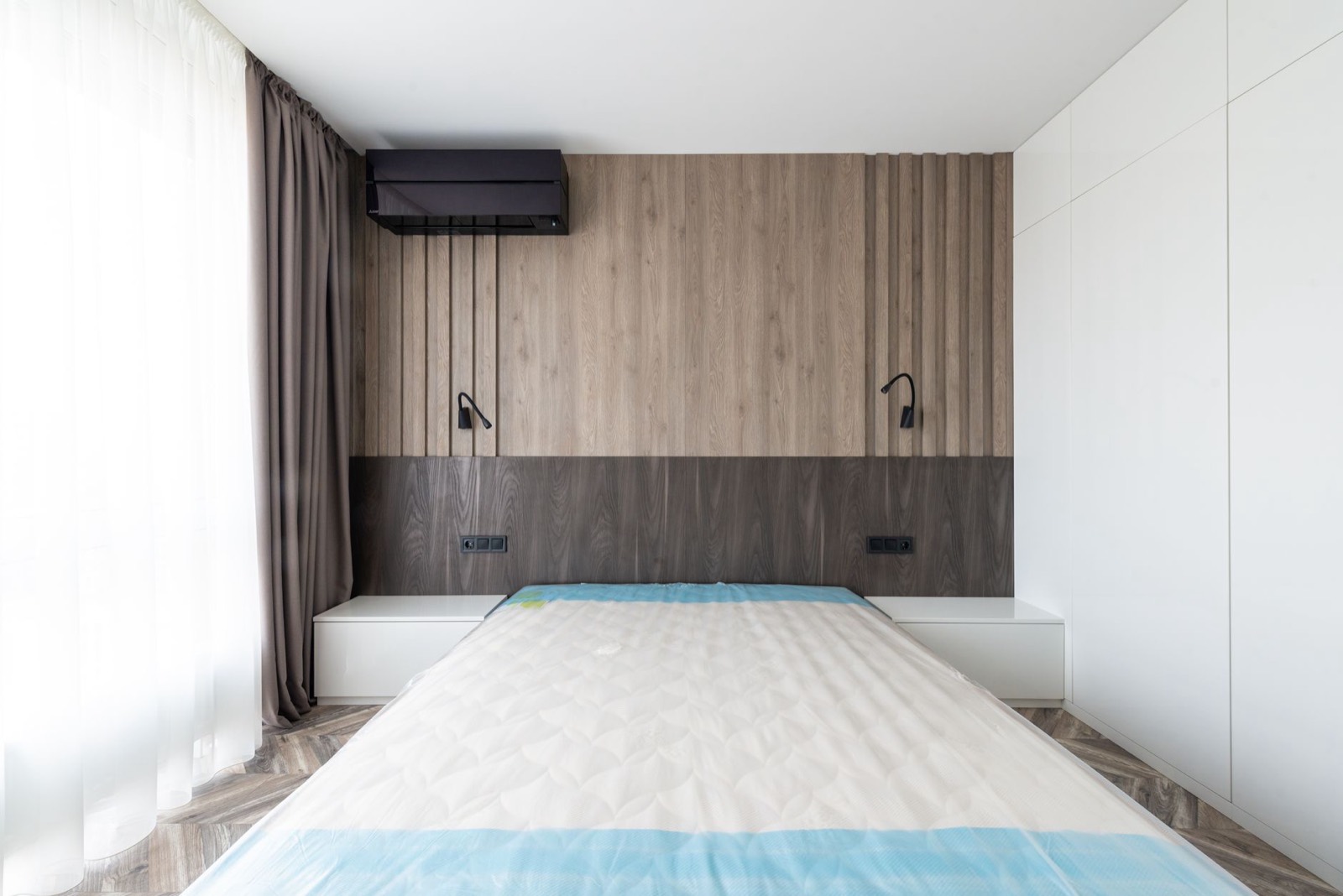
Dorm rooms come furnished, which is exactly why people over-buy for them. The bed, desk and dresser are already there — what is missing is everything that makes them tolerable.
Two purchases account for most of the difference between a good first year and a bad one, and neither is furniture.
Here is what actually matters, what most schools prohibit, and the sizing detail that catches nearly every family out.
Twin XL, Not Twin
Almost all dorm beds are Twin XL. It is the same width as a twin and five inches longer, and that five inches is the single most common shopping mistake in August.
| Twin | Twin XL | |
|---|---|---|
| Dimensions | 38″ × 75″ | 38″ × 80″ |
| Where you find it | Kids’ rooms, bunk beds | Almost every dorm |
| Sheets | Will not stay on a Twin XL | Fit properly |
| Comforter | Usable but short | Correct length |
| Mattress topper | Leaves five inches bare | Covers the whole mattress |
Twin sheets on a Twin XL mattress pull off the corners overnight. It is not a minor annoyance — it happens every night until the right sheets arrive.
Buy two complete sets, so one is on the bed while the other is in the wash. Our sheets and bedding guide covers which weaves sleep coolest, which matters in an un-air-conditioned September dorm.
Confirm the bed size with the housing office before buying anything. A small number of dorms still use standard twins, and some upper-year housing uses fulls — our mattress size chart covers every standard dimension.

The Topper Is the Real Upgrade
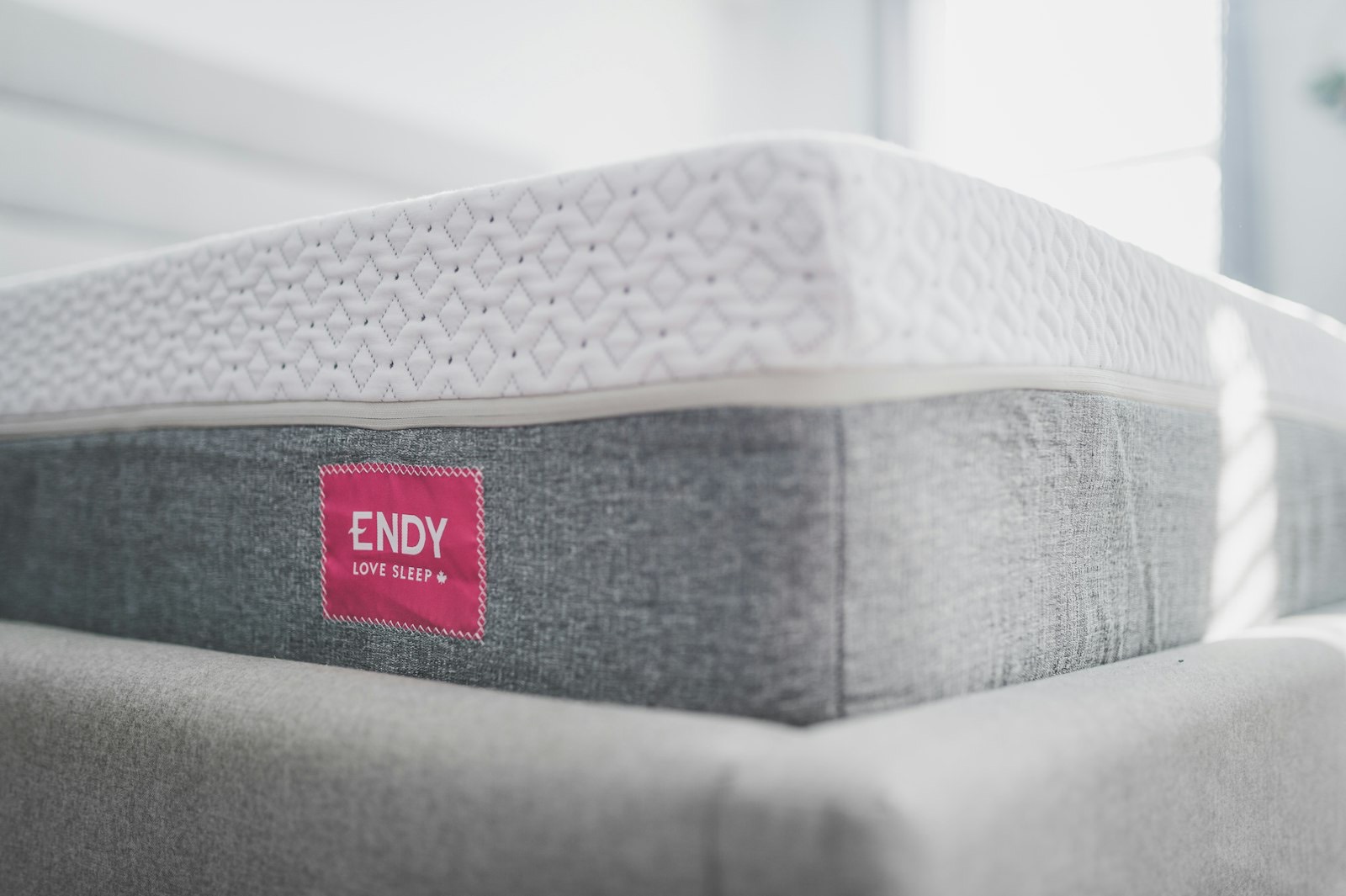
Dorm mattresses are built to survive decades of students, not to be comfortable. They are typically thin, firm and wrapped in wipe-clean vinyl.
A mattress topper of at least two inches does more for sleep quality than anything else you can buy for a dorm room, and it costs a fraction of what people spend on decoration.
| Topper | Suits | Note |
|---|---|---|
| 2″ memory foam | Most students | The default; softens a hard mattress noticeably |
| 3″ memory foam | Side sleepers | More cushioning for shoulders and hips |
| Gel-infused foam | Warm rooms | Worth it where there is no air conditioning |
| Latex | Longer-term use | Cooler and far more durable; costs more |
Add a waterproof mattress protector underneath it. Dorm mattresses are shared across years of students, and a protector is the barrier between your bedding and everything that came before.
Our guides to protectors and toppers and pillow loft by sleep position cover both, and sleep quality is well established as a factor in academic performance — the American College Health Association publishes research on student health that makes the case better than any bedding retailer can.
Storage: Go Under and Up
A dorm room has almost no floor space, so the storage that works uses the space already there.
- Under-bed bins — three or four clear ones, around 6 to 7 inches high to fit under a raised bed
- Clear rather than opaque, so you can find things without unpacking everything at midnight
- Over-door organisers for shoes, toiletries and cables
- Bed risers, if permitted — they can double your under-bed storage
- A small shelf or caddy for the desk, which is always smaller than expected
- Collapsible hamper, which stores flat when not needed
Measure the under-bed clearance before buying bins. Beds vary, risers may not be allowed, and a bin an inch too tall is a bin that lives in the middle of the room.
Soft-sided bins are worth considering over rigid plastic. They collapse flat for the summer, survive being dragged across a hard floor, and cost less to replace when a corner splits.
What Schools Usually Prohibit
Every institution publishes a prohibited items list, and furniture features on most of them. Check it before buying anything large.
| Commonly restricted | Why |
|---|---|
| Additional furniture — futons, shelving units, extra dressers | Fire egress and room capacity rules |
| Loft kits not supplied by the school | Liability; beds are often already adjustable |
| Halogen lamps and candles | Fire risk in a shared building |
| Appliances with exposed heating elements | Hot plates, toasters, space heaters |
| Anything screwed or nailed to walls | Damage charges at move-out |
The furniture restriction surprises people most. Buying a futon for a dorm room is a common and expensive mistake — many schools will not allow it in the building.
Coordinate with the roommate before buying anything shared. Two mini-fridges, two microwaves and two televisions in one small room is the classic first-week discovery.
Split the List Before You Shop
A short message to the roommate in July saves money, space and an awkward conversation on move-in day.
| Bring your own | Share one between you |
|---|---|
| Bedding, pillows, mattress topper | Mini-fridge |
| Towels and toiletries | Microwave |
| Desk lamp and storage bins | Television, if permitted |
| Laundry hamper and supplies | Rug, if the floor is bare |
| Personal electronics | Full-length mirror |
The rule of thumb: anything that touches you personally, bring your own. Anything that serves the room, agree on one.
Buy less than you think in August. Nearly every student finds the room smaller than expected, and a second trip in October is far easier than storing things you never unpacked.

Frequently Asked Questions
What size are dorm beds?
Almost always Twin XL — 38 by 80 inches, five inches longer than a standard twin. Confirm with the housing office, since a minority of dorms still use regular twins.
Can I use twin sheets on a Twin XL bed?
Not successfully. A twin fitted sheet is five inches short and will pull off the corners overnight, every night. Buy Twin XL sets — two of them, so one can be in the wash.
Is a mattress topper worth it for a dorm?
It is the single highest-value purchase for a dorm room. Institutional mattresses are thin and firm by design, and two to three inches of foam transforms them for a modest cost.
Can I bring my own furniture to a dorm?
Usually not. Most schools restrict additional furniture such as futons, shelving and loft kits for fire safety and capacity reasons. Always check the prohibited items list before buying.
What storage works best in a dorm room?
Clear under-bed bins of around 6 to 7 inches, plus over-door organisers. Measure your under-bed clearance first, and check whether bed risers are permitted before relying on them.

Local Move-In
Christopher Newport, William & Mary, Hampton and Old Dominion all sit within our delivery area, which makes a local pickup considerably simpler than shipping bedding to a residence hall.
Our mattress range in Newport News includes Twin XL sizes, toppers and protectors — the three things worth getting right before move-in day.
Furnishing a first apartment rather than a dorm? Our staged plan for furnishing a first place on a budget covers what to buy first, and when to buy furniture covers the seasonal timing.
At the end of the year, our guide to donating and removing furniture covers what to do with everything rather than leaving it in a dumpster, and moving furniture covers getting it home intact.
Check clearance and specials, or ask our Newport News team what Twin XL sizes we have in stock before move-in week.