Firmness is the most misunderstood number in mattress shopping, largely because it is not a number at all. There is no industry standard behind it.
One brand’s “medium” is another’s “medium-firm”, and both feel different again depending on how much you weigh.
Here is what the scale actually means, how body weight changes it, and why “firm” and “supportive” are not the same thing.
The 1–10 Scale in Plain Terms
| Rating | Label | What it feels like | Share of the market |
|---|---|---|---|
| 1–2 | Very soft | Deep sinking; rare outside specialty | Almost none |
| 3–4 | Soft / plush | Noticeable hug; shoulders sink in | Small |
| 5–6 | Medium | Balanced; some contour, some push-back | The majority |
| 6–7 | Medium-firm | Mostly on top of the surface | Large |
| 8–10 | Firm | Little give; you lie on it, not in it | Small |
Most mattresses sold are between 5 and 7, because that range suits the widest range of people. Anything labelled outside it is a deliberate choice rather than a default.
The label is set by the manufacturer with no external reference, so treat it as a rough guide within one brand’s own line rather than as a comparison between brands.

Body Weight Changes Everything
This is the part most guides skip. The same mattress genuinely feels different to a 130-pound sleeper and a 230-pound one, because firmness is a response to load.
| Body weight | Side sleeper | Back sleeper | Stomach sleeper |
|---|---|---|---|
| Under 130 lb | 3–4 (soft) | 4–5 | 5–6 |
| 130–230 lb | 4–6 | 5–7 | 6–7 |
| Over 230 lb | 5–7 | 6–8 | 7–8 |
Read down a column and the pattern is clear: heavier sleepers need a firmer rating to get the same feel, because they compress the comfort layers further.
A lighter sleeper on a firm mattress never sinks in enough for the surface to contour, so it feels like a board. That is not the mattress being wrong — it is the wrong rating for that load.
Our mattress construction guide covers how the materials underneath produce these feels.

Firm Is Not the Same as Supportive
These two words get used interchangeably in showrooms and they mean different things.
- Firmness is the surface feel — how much the top layers give when you first lie down
- Support is whether the mattress keeps your spine aligned all night
- A soft mattress with a strong core can be highly supportive
- A firm mattress with a failing core is firm and unsupportive at once
- Sagging is a support failure, not a firmness change
The old advice to buy the firmest mattress you can stand for back pain has not held up. Guidance from clinicians, including the resources published by the American Academy of Orthopaedic Surgeons, points toward a supportive surface that keeps the spine neutral rather than simply a hard one.
The practical test is your lumbar curve. Lie on your back and slide a hand under the small of your back — a large gap means too firm, no gap at all with hips dropping means too soft.
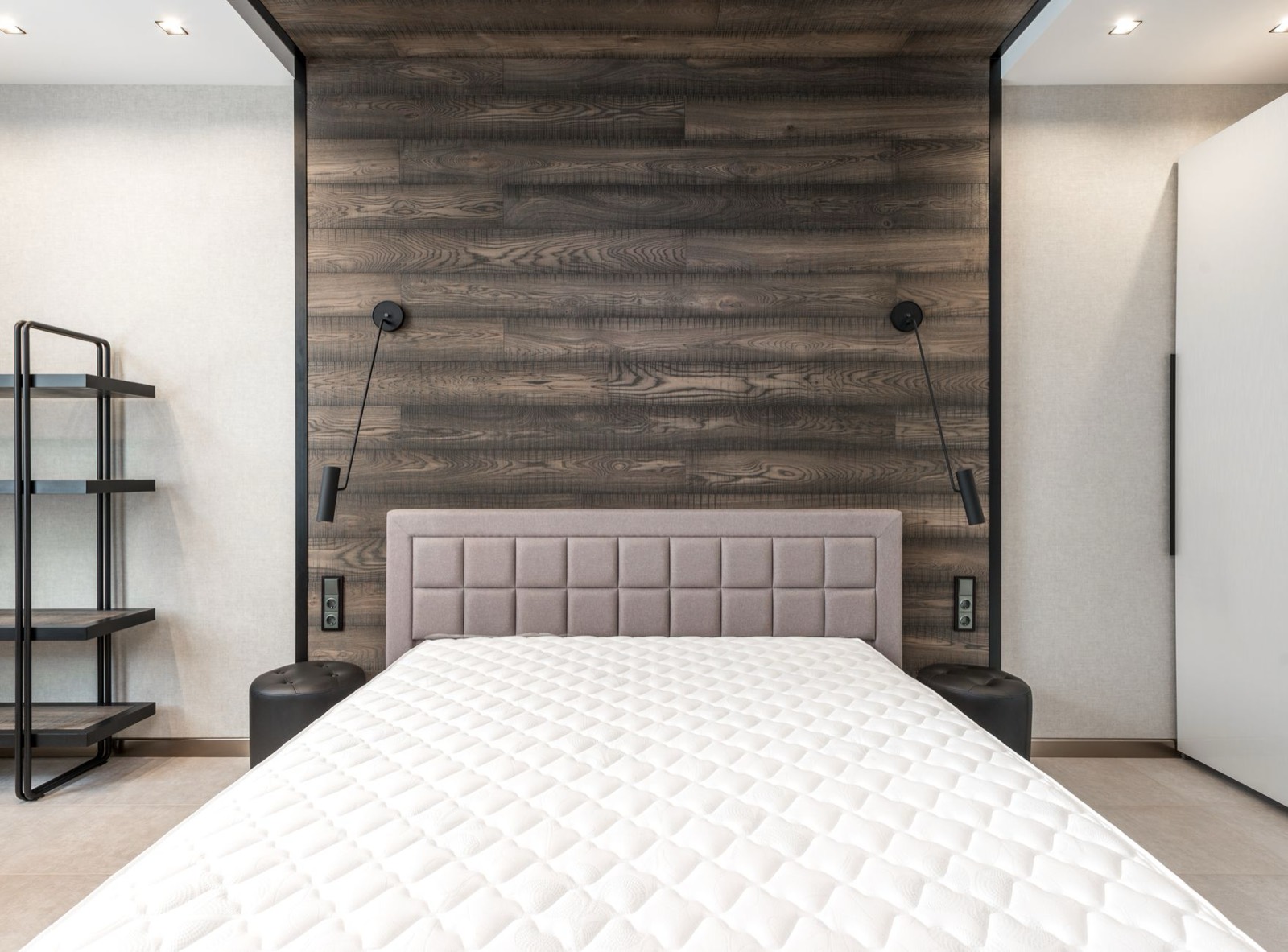
Plush, Pillow Top and Euro Top
| Term | What it means | Watch out for |
|---|---|---|
| Plush | A softness label, not a construction | Varies wildly between brands |
| Pillow top | A separate padded layer stitched on top | Visible edge gap; compresses first |
| Euro top | Padding sewn flush into the cover | Firmer-feeling than a pillow top |
| Ultra plush | Marketing for the softest in a line | Compresses fastest of all |
| Tight top | No extra layer; padding inside | Usually the most durable surface |
Pillow tops feel best in the showroom and change most in the first year. That extra layer is unsupported padding, and it compresses before anything else in the mattress does.
Euro tops solve most of that by sewing the padding flush into the cover, which stops it shifting and gives a firmer, longer-lasting surface for the same nominal softness.
If a mattress is close but slightly too firm, a topper is the cheap fix — our topper and protector guide covers what each one actually does.

Two People, One Mattress
Couples with a large weight difference or different sleeping positions are the hardest case, and the honest options are limited.
- Split the difference and add a topper on one side — the cheapest workable answer
- Choose for the heavier sleeper, since a too-soft mattress causes more problems than a too-firm one
- Split king: two twin XL mattresses side by side, each chosen independently
- Dual-firmness models, built with different feels on each half
- An adjustable base under a split king lets each side move independently too
Split king is the complete solution and the one people resist because of the visible seam. A single king-size topper over both halves removes it almost entirely.
Our adjustable base guide covers split configurations, and our size chart covers the dimensions.
Firmness changes in the first month
Every new mattress softens slightly as the comfort layers settle, typically over the first three to six weeks. A mattress that feels marginally too firm on night one is usually right by week six.
One that feels too soft in the store will only get softer. That is the direction to be cautious about, and it is why sleep trials are worth reading before you rely on one.
Frequently Asked Questions
What mattress firmness is best for side sleepers?
Softer than most people expect — roughly 4 to 6 for an average-weight sleeper. Shoulders and hips need to sink in enough to keep the spine straight, which a firm surface prevents.
Does body weight affect mattress firmness?
Significantly. A sleeper over 230 pounds typically needs a rating one to two points firmer than a sleeper under 130 to get the same feel, because they compress the comfort layers further.
Is a firm mattress better for back pain?
Not automatically. What matters is spinal alignment, not hardness — medium-firm suits most people with back pain better than the firmest option available.
What is the difference between plush and pillow top?
Plush describes softness; pillow top describes construction — a separate padded layer stitched onto the surface. A mattress can be a firm pillow top or a plush tight top.
How do couples choose one firmness?
Choose for the heavier sleeper and add a topper on the lighter side, or move to a split king where each half is chosen independently. Too soft causes more problems than too firm.
Lie on It for Ten Minutes
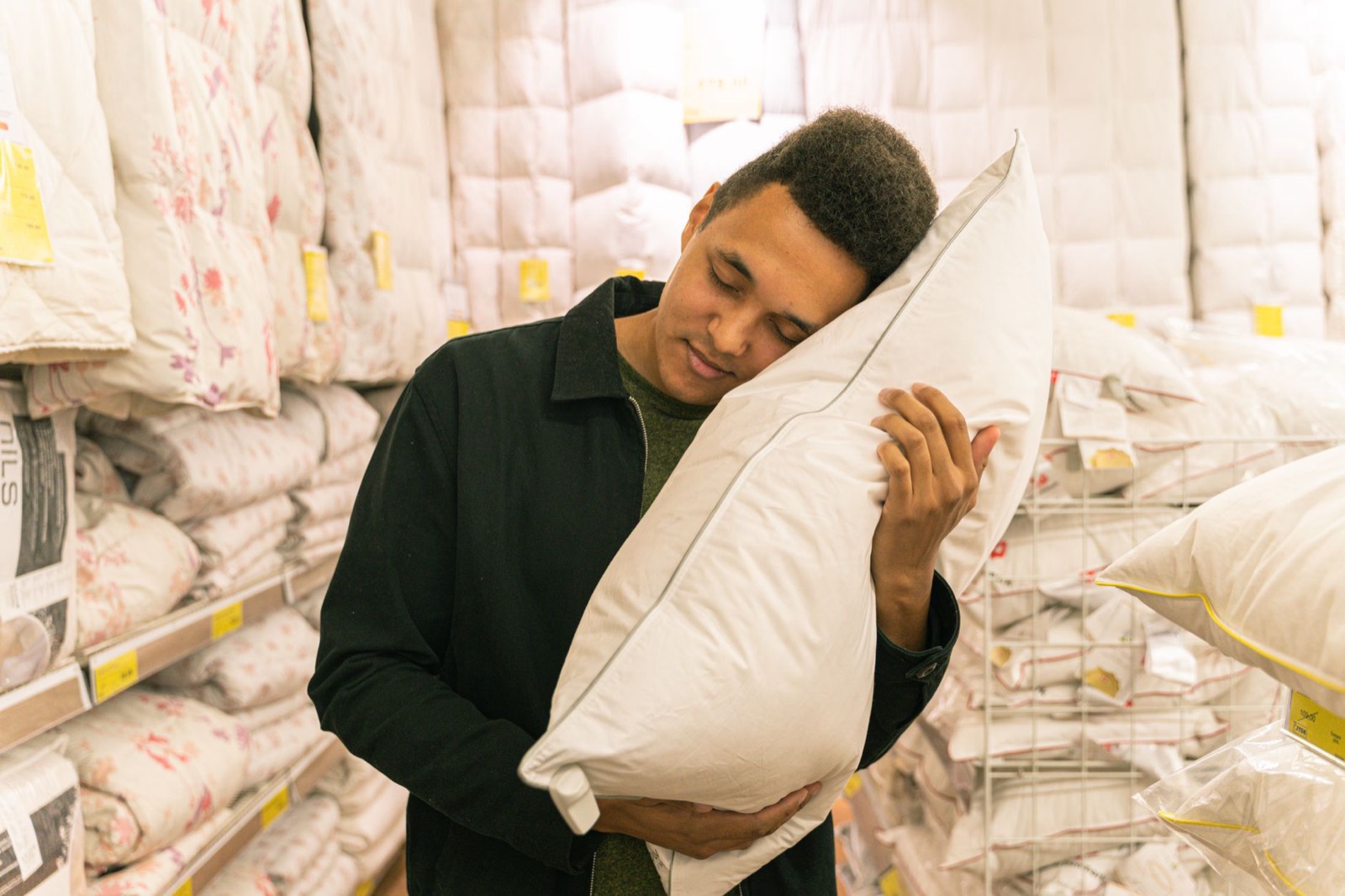
Firmness cannot be judged in thirty seconds, and it cannot be judged from a label. Lie down in the position you actually sleep in, for at least ten minutes, and check the gap under your lower back.
Our mattress range in Newport News covers every firmness in the usual range, and you can compare two side by side in the same visit.
Also worth reading: our guides to choosing a pillow for your sleeping position, bed frames and slat spacing, and what a bunkie board does.
Protect the purchase with our warranty guide, plan the handover with our delivery guide, and see our disposal guide for the old mattress.
Check clearance and specials, spread the cost with no-credit furniture financing, or tell our Newport News team how you sleep.