Furniture survives years of daily use and then gets destroyed in a single afternoon of moving. Almost all of that damage is preventable, and most of it comes from two mistakes.
The first is not taking things apart. The second is wrapping in the wrong order — which does more harm than not wrapping at all.
Here is how to prepare furniture properly, what breaks most often, and what to do a fortnight ahead.
The Wrapping Order Matters
This is the single most common and most damaging error: applying stretch wrap directly to a wooden surface.
Plastic traps moisture against the finish. Over a few days in a truck or a storage unit, that condensation can cloud, blister or warp a finish that was perfectly sound when it was loaded.
| Item | Correct order | Never |
|---|---|---|
| Wood furniture | Moving blanket first, then stretch wrap over the blanket | Plastic directly against the finish |
| Upholstered sofas and chairs | Stretch wrap directly is fine | Leaving fabric exposed to dirt |
| Leather | Blanket first — plastic can mark it | Direct plastic in warm weather |
| Glass tops and mirrors | Packing paper, then bubble wrap, then tape | Tape touching the glass or frame finish |
| Mattresses | A proper mattress bag | Bare, on its side, against a truck wall |
Tape is the other quiet culprit. Never let adhesive tape touch a finished surface — it lifts lacquer when removed, particularly in summer heat.
Take It Apart
Disassembly makes pieces lighter, more compact and far less likely to be damaged. It also turns items that will not fit through a doorway into ones that will.
- Remove legs, armrests, knobs and handles — protruding parts snap first
- Take out shelves and drawers, and remove doors where practical
- Separate sectionals into their sections and remove sofa legs
- Break down bed frames entirely; rails and headboards travel flat
- Remove glass tops and transport them separately, on edge, never flat
- Empty every drawer, even if the piece is being moved with drawers in
Keep the hardware findable
- Photograph each stage as you take something apart — reassembly is far easier with pictures.
- Put all fixings for one item in a single sealable bag.
- Label the bag and tape it to a large part of that same piece.
- Never put all the hardware from the whole house in one box.
Losing the bolts for a bed frame is the classic first-night-in-the-new-house problem. Taping the bag to the headboard solves it permanently.
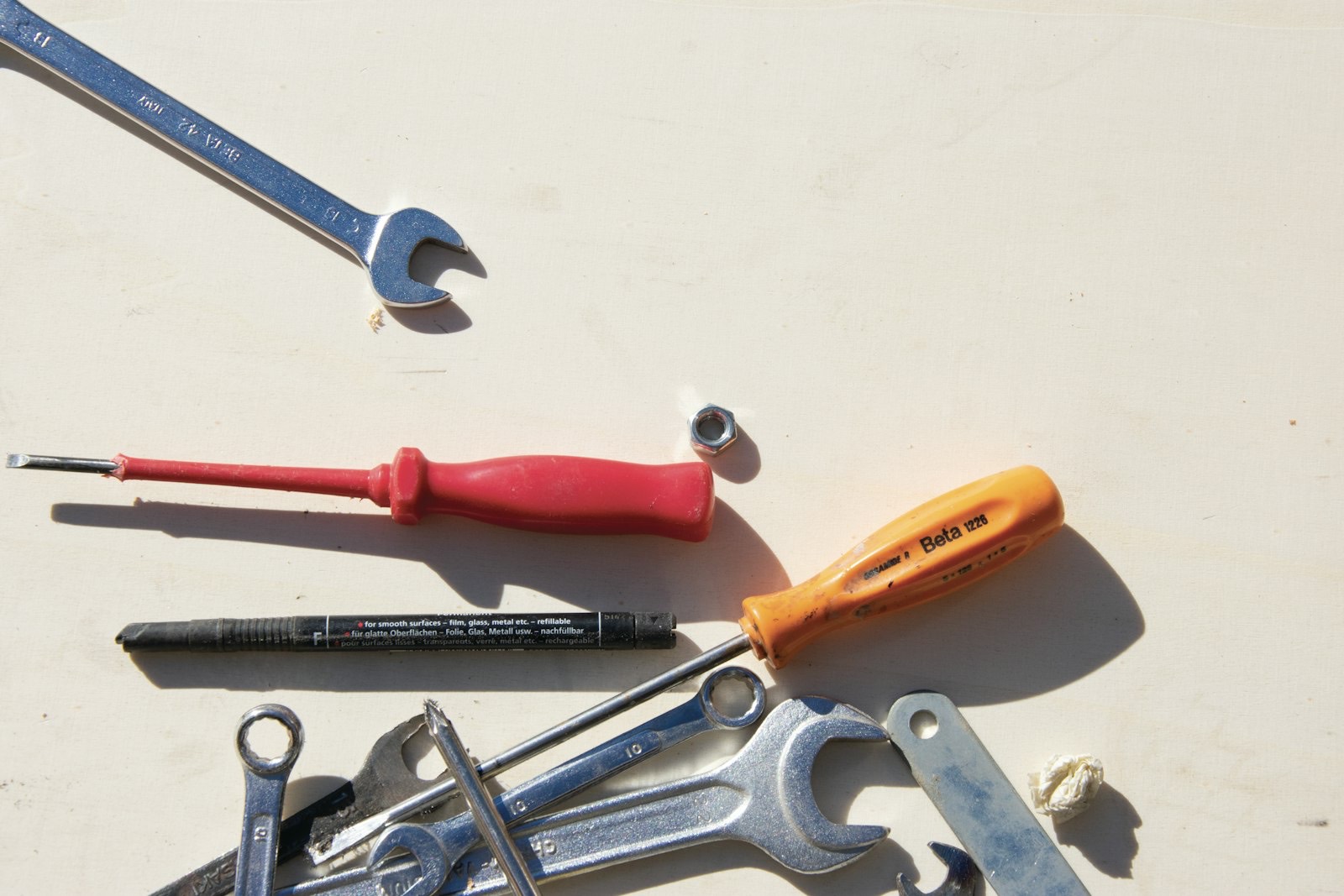
Keep one small toolkit out of the truck and with you personally — an Allen key set, a screwdriver and a wrench. Everything you need on the first night will be inside a box you cannot find otherwise.
Load the beds first so they come off last, and reassemble them before anything else. A bed built at nine in the evening after a full day of carrying is a bed built badly.
What Breaks Most Often
| Damage | Cause | Prevention |
|---|---|---|
| Snapped legs | Dragging, or lifting by the leg | Remove them; lift from the frame |
| Racked drawers and doors | Carrying a loaded case by one end | Empty it; carry level with two people |
| Cracked glass | Transported flat, or stacked on | Carry and load on edge, well padded |
| Corner dents | Unpadded contact with door frames | Blanket the corners, not just the faces |
| Finish clouding | Plastic wrap trapping moisture | Blanket underneath the plastic |
| Torn upholstery | Dragging across thresholds | Lift fully; use sliders indoors |
| Loose joints | Vibration over distance | Re-tighten everything after arrival |
That last row is worth acting on. Re-tighten every bolt on beds, dining chairs and tables a week after the move — vibration loosens fixings, and tightening them early prevents the split joints that follow.
Our furniture care guide covers the humidity issue in more depth, which matters if anything is going into storage over a Virginia summer.
Measure Before You Load
The route out of the old place is known. The route into the new one usually is not, and that is where moves go wrong.
- Measure doorways, hallway widths and stair turns at the destination before moving day
- Check the diagonal depth of sofas — that figure, not the height, decides whether they fit
- Confirm elevator dimensions and any building restrictions on delivery hours
- Identify anything that will not fit before it goes on the truck
Our guide to measuring a room and access route explains how to take a diagonal depth measurement, and our sectional guide covers separating an L-shape into transportable sections.
If a piece genuinely will not fit the new home, decide that in advance rather than paying to transport it twice — our guide to donating or removing old furniture covers the alternatives.
A Sensible Timeline
| When | Do |
|---|---|
| 2 weeks before | Gather blankets, wrap, tape and bags; measure the destination |
| 1 week before | Disassemble anything not in daily use; photograph as you go |
| 2 days before | Empty all drawers; decide what is not making the move |
| Day before | Wrap everything except beds and seating still in use |
| Moving day | Break down beds last, load them first |
| Week after | Re-tighten every fixing; check for transit damage |
If you are using a moving company, the American Trucking Associations’ Moving & Storage Conference publishes consumer guidance on choosing a reputable mover and understanding what liability coverage actually includes.
That last point matters locally. Around Hampton Roads a great many moves are military relocations, and the coverage that comes with a move is rarely full replacement value unless it has been arranged specifically.

Frequently Asked Questions
Can I put stretch wrap directly on wood furniture?
No. Plastic traps moisture against the finish and can cloud or warp it within days. Always put a moving blanket on first and wrap the plastic over the blanket.
Should I take furniture apart before moving?
Yes, wherever practical. Removing legs, shelves, doors and glass makes pieces lighter, more compact and much less likely to snap. It also gets items through doorways that would otherwise not fit.
How do I keep track of screws and bolts?
One sealable bag per item, labelled and taped to a large part of that same piece. Never collect all the hardware from the house into a single box — that is how bed frames end up unbuildable.
How should glass tops be transported?
Wrapped in packing paper, then bubble wrap, and carried and loaded on edge rather than flat. Glass laid flat flexes over bumps and cracks; on edge it is far stronger.
What should I do after the furniture arrives?
Re-tighten every bolt within a week, check for transit damage while any claim window is still open, and let solid wood acclimatise for a day or two before judging sticking drawers.
Decide What Travels
The cheapest furniture to move is furniture you do not move. Measure the destination first and be honest about what fits and what is worth the trip.
If something does not make the cut, our guide to donating and removing old furniture covers the options, and when to buy furniture covers timing the replacement.
Furnishing a new place from scratch? See our staged plan for furnishing a first home on a budget, and browse living room, bedroom and mattress ranges.
Replacing rather than transporting? Check clearance and specials and our delivery guide, or ask our Newport News team about delivery into a new address.