Almost nobody buys furniture entirely one way any more. Most people research online, then decide which pieces they are willing to buy sight-unseen and which they need to sit on first.
That split is the useful question. Not “which is better” — both are genuinely better at different things.
Here is an honest account of what each gets right, and which categories belong on which side.
What Each Does Well
| Online | In store | |
|---|---|---|
| Selection | Effectively unlimited | Limited to the floor and catalogue |
| Price comparison | Trivially easy | Requires visiting several places |
| Judging comfort | Impossible | The entire point |
| Judging colour and texture | Screens misrepresent both | Accurate |
| Speed | Weeks to months on many items | In-stock pieces can go home today |
| Delivery cost | Often substantial, sometimes hidden | Usually local and predictable |
| If something goes wrong | Return shipping on a sofa is a problem | Someone local is accountable |
| Advice | Reviews and specifications | Someone who has seen the piece |
Online genuinely wins on selection and price comparison, and those are not small advantages. Lower showroom overheads are real, and so is being able to check four retailers in ten minutes.
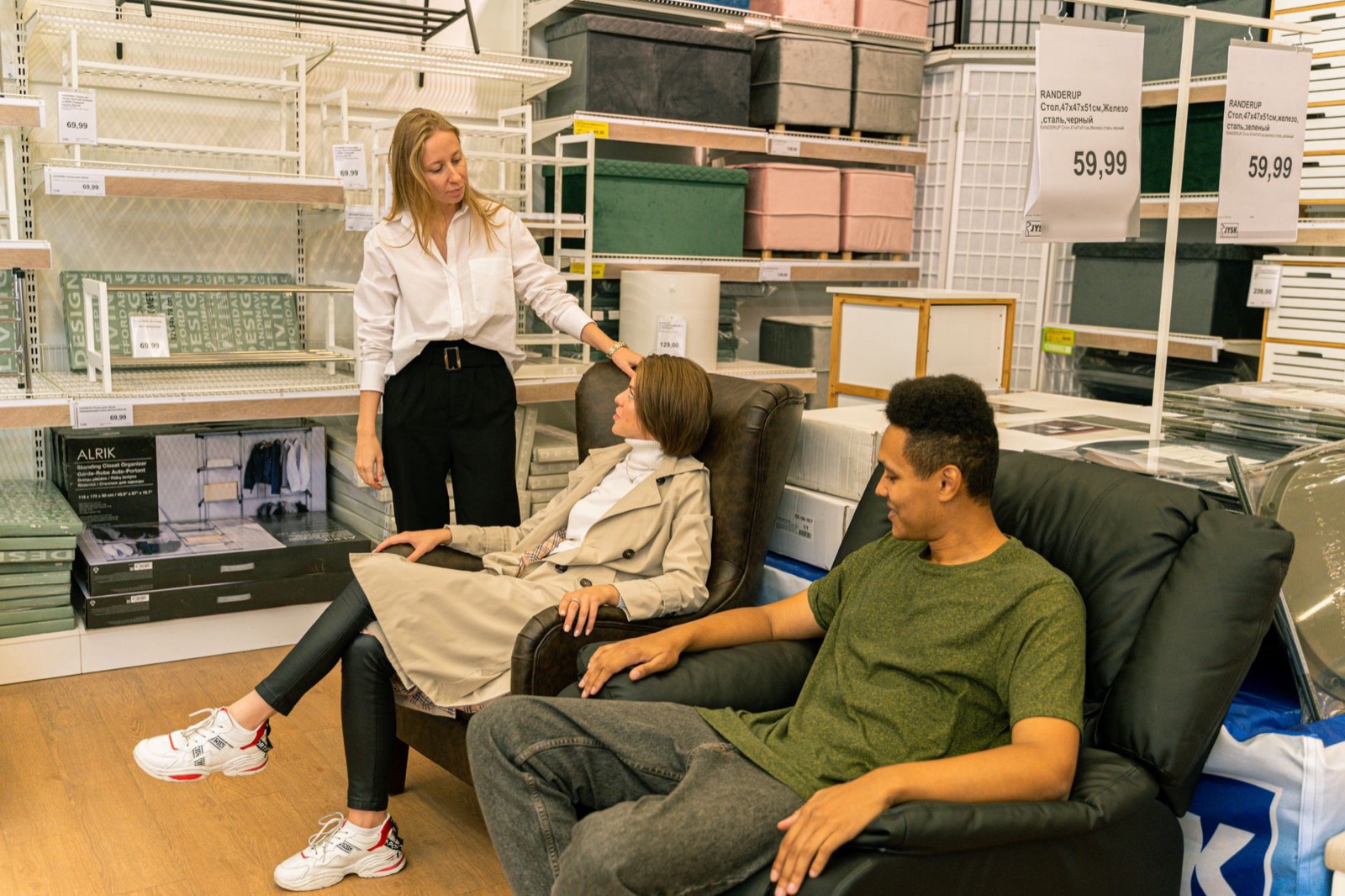
What online cannot do is let you sit down. Everything below follows from that one limitation.
Which Way to Buy What
| Category | Buy | Reasoning |
|---|---|---|
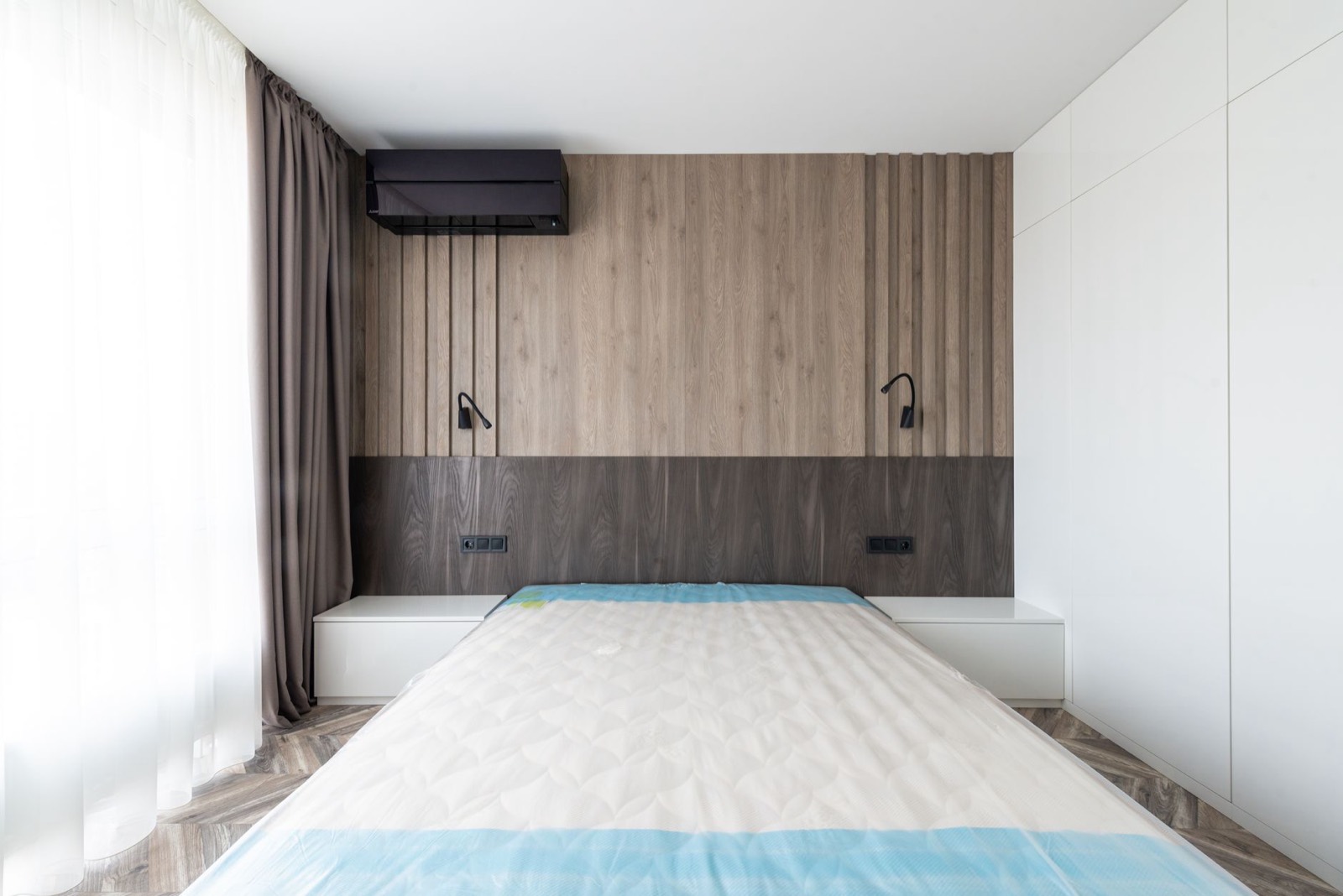
| Mattress | In person | Firmness is subjective and unphotographable |
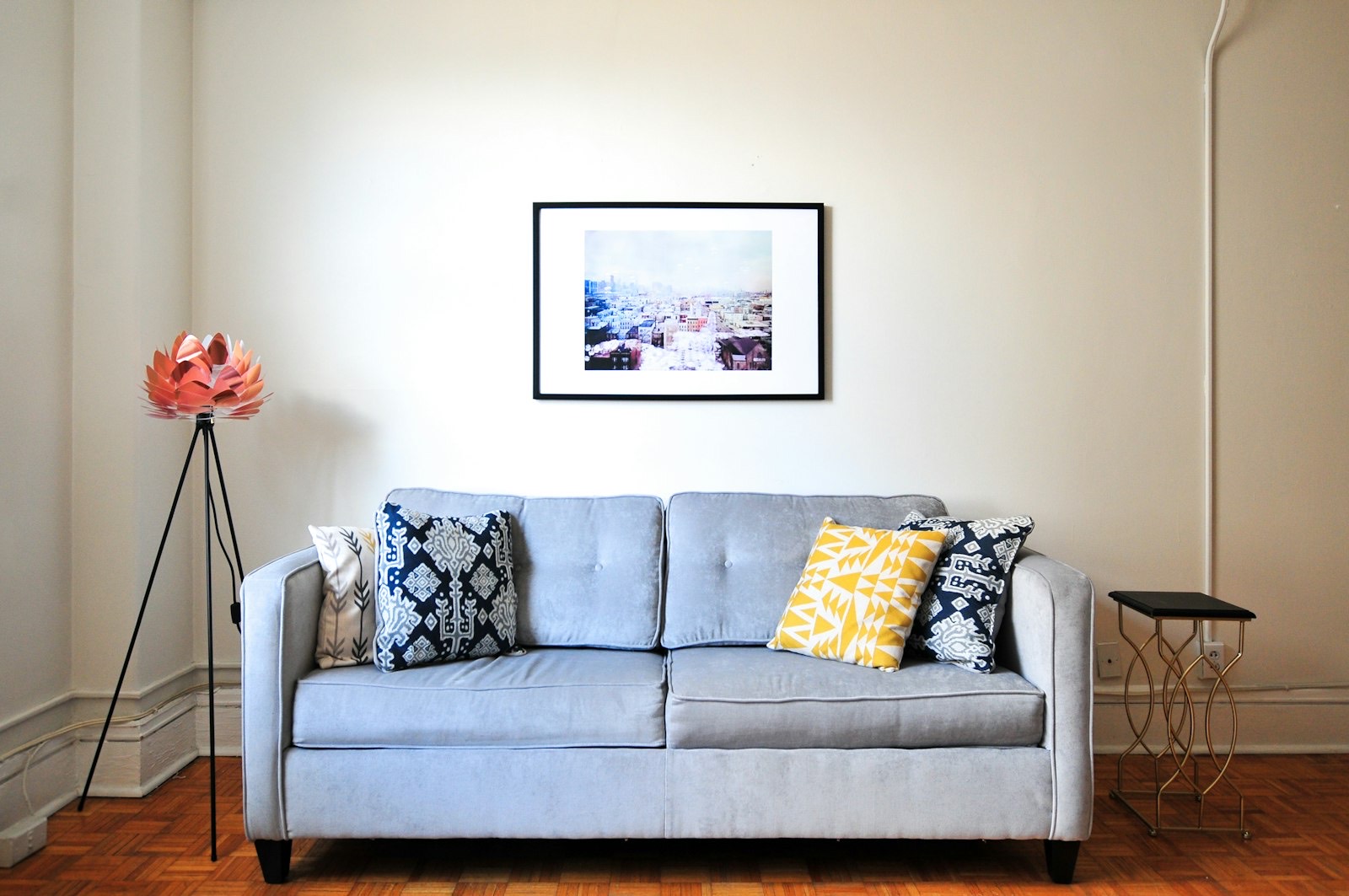
| Sofa or sectional | In person | Seat depth and cushion firmness decide everything |
| Recliner or office chair | In person | Fit is individual; adjustments must be tried |
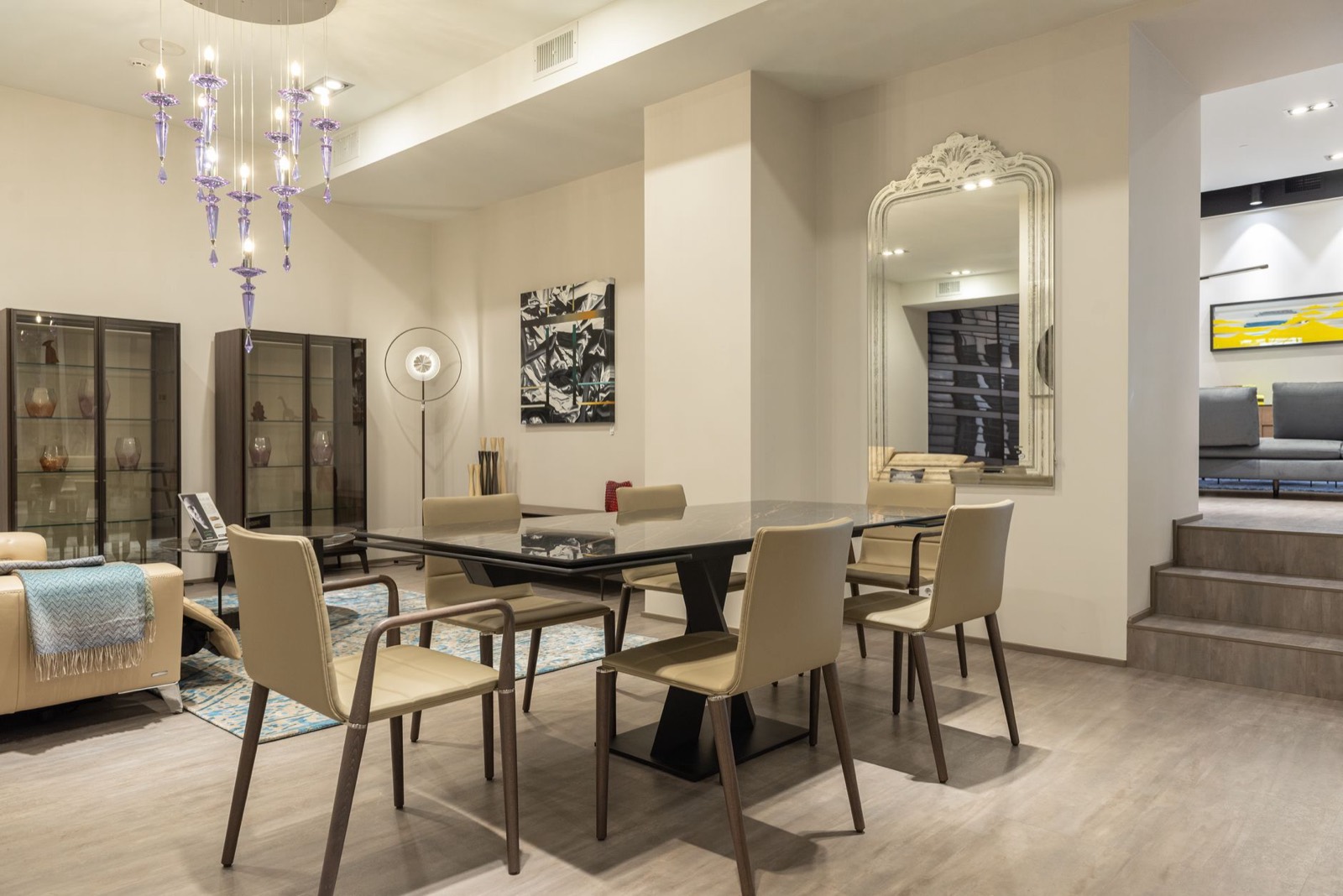
| Dining chairs | In person | Comfort over two hours cannot be inferred |
| Bookcase, nightstand, console | Either | Dimensional pieces; low comfort risk |
| Rug | Either, with care | Colour shifts on screen; check the return policy |
| Lamps and accents | Either | Low risk, easy to return |
| Bed frame | Either | Check assembly and slat spacing in the specification |
The pattern is straightforward: anything you sit or lie on, try first. Anything defined by dimensions, buy wherever it is cheapest.
A useful hybrid: try a mattress or sofa in a showroom, then decide. You will have the one piece of information no product page can give you, and you can weigh price against it properly.

The Costs That Appear Later
An online price is rarely the final figure on large furniture. Check these before comparing against a store quote.
- Delivery level. Curbside is common online — the item is left at your door, boxed
- Assembly. Flat-packed items may take hours; assembly is rarely included
- Packaging removal. A sectional generates a remarkable volume of cardboard
- Return shipping. Frequently the buyer’s cost, and freight on a sofa is significant
- Restocking fees on large items
- Lead times — weeks to months is common, and often only disclosed at checkout
Our delivery guide explains the difference between curbside, threshold and full-service delivery — a distinction that accounts for a great deal of the apparent price gap.
On your rights when buying at distance, the FTC’s online shopping guidance covers shipment timing, cancellations and what to do when an order does not arrive as described.
Buying Online Without Getting Caught Out
- Read the return policy before the product description. On large items this matters more than the specification.
- Check the diagonal depth, not just width and height — it decides whether a sofa gets through your door.
- Confirm the orientation on anything with a chaise. Left and right facing are ordered separately and returned expensively.
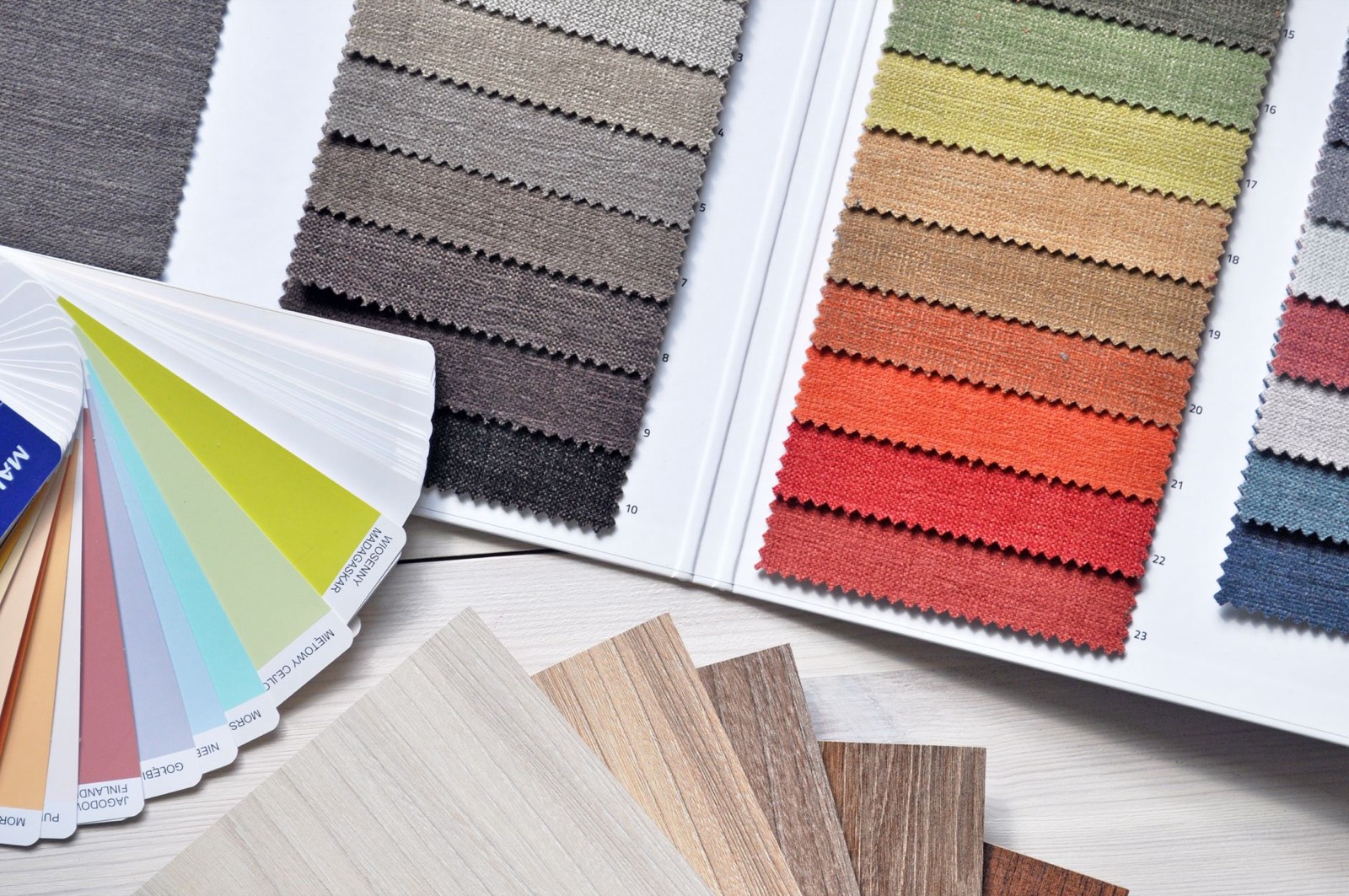
- Order a fabric swatch if offered. Screen colour is unreliable, particularly for greys and greens.
- Check the assembly requirement and how many people it needs.
- Photograph any damage before unpacking further, and report it immediately.
- Keep the packaging until you are certain, because returns usually require it.
Points two and three cause the most expensive online mistakes. Our guides to measuring for a sofa and sectional orientation cover both in detail.
Reading a Listing Properly
Product pages are written to sell, and the useful information is usually in the specification table rather than the description.
| Phrase | What it often means | What to ask |
|---|---|---|
| “Solid wood construction” | May describe only the legs or frame | Which parts, and what are the panels? |
| “Genuine leather” | Can include bonded or split leather | Is it top-grain or full-grain? |
| “Easy assembly” | Assembly is required | How long, and how many people? |
| “Ships free” | Curbside delivery, boxed | Does anyone bring it inside? |
| “Firm support” | Unquantifiable marketing language | Is there a firmness rating out of ten? |
On reviews, filter to the lowest ratings first and look for repeated complaints rather than isolated ones. Three separate people mentioning the same sagging cushion is a pattern; one angry review usually is not.
Photographs uploaded by customers are worth more than the studio images, because they show the piece in ordinary domestic lighting rather than lit to flatter.
Trying in person, buying elsewhere
Testing furniture in a showroom and then buying online is common, and no salesperson will be surprised by it.
Worth knowing, though: many local stores will price-match or come close, and the total often lands nearer than expected once delivery and assembly are counted. It costs nothing to ask before ordering.

Frequently Asked Questions
Is furniture cheaper online?
Often on the listed price, because showroom overheads are lower. Compare the total though — delivery level, assembly, packaging removal and return shipping frequently close the gap on large items.
What should I never buy online?
Anything where comfort decides the purchase — mattresses, sofas, recliners, office chairs and dining chairs. Firmness and seat depth cannot be judged from a photograph or a specification.
Can I return furniture bought online?
Usually, but the cost can be substantial on large items — return freight and restocking fees are common. Read the policy before ordering rather than after.
Why does furniture look different when it arrives?
Screens render colour inconsistently, and product photography is lit to flatter. Greys, greens and wood tones are the least reliable. A physical swatch solves it where one is offered.
How long does online furniture take to arrive?
Anywhere from a week to several months, depending on whether the item is stocked or made to order. Local stores can often deliver in-stock pieces within days.

Use Both
The sensible approach is not loyalty to either channel. Research online, test the comfort-critical pieces in person, and buy each item wherever the total cost and the risk make sense.
You are welcome to come and sit on things at our Newport News showroom whether or not you buy from us — our mattress and living room ranges are the two categories where that matters most.
Before ordering anything large from anywhere, work through our guides to measuring your room and access route and what different delivery levels include.
Timing matters as much as channel — see when to buy furniture and our clearance and specials, or spread the cost with no-credit financing options.
Comparing a piece you have seen online? Send our Newport News team the details — we will tell you honestly whether we can match it or whether you are better off buying it where you found it.