A gallery wall is the cheapest way to make a room look finished and the easiest way to make it look chaotic. The difference is almost entirely spacing.
Frames hung at inconsistent gaps read as clutter no matter how good the individual pieces are. Frames at a consistent gap read as one deliberate object on the wall.
Here is how to plan a layout, space it properly, and frame the contents so they last.
The Spacing Rules
| Measurement | Target | Why |
|---|---|---|
| Gap between frames | 2–3″, consistent throughout | The single factor that makes a wall look planned |
| Clear space around the whole group | At least twice the internal gap | Lets the arrangement read as one object |
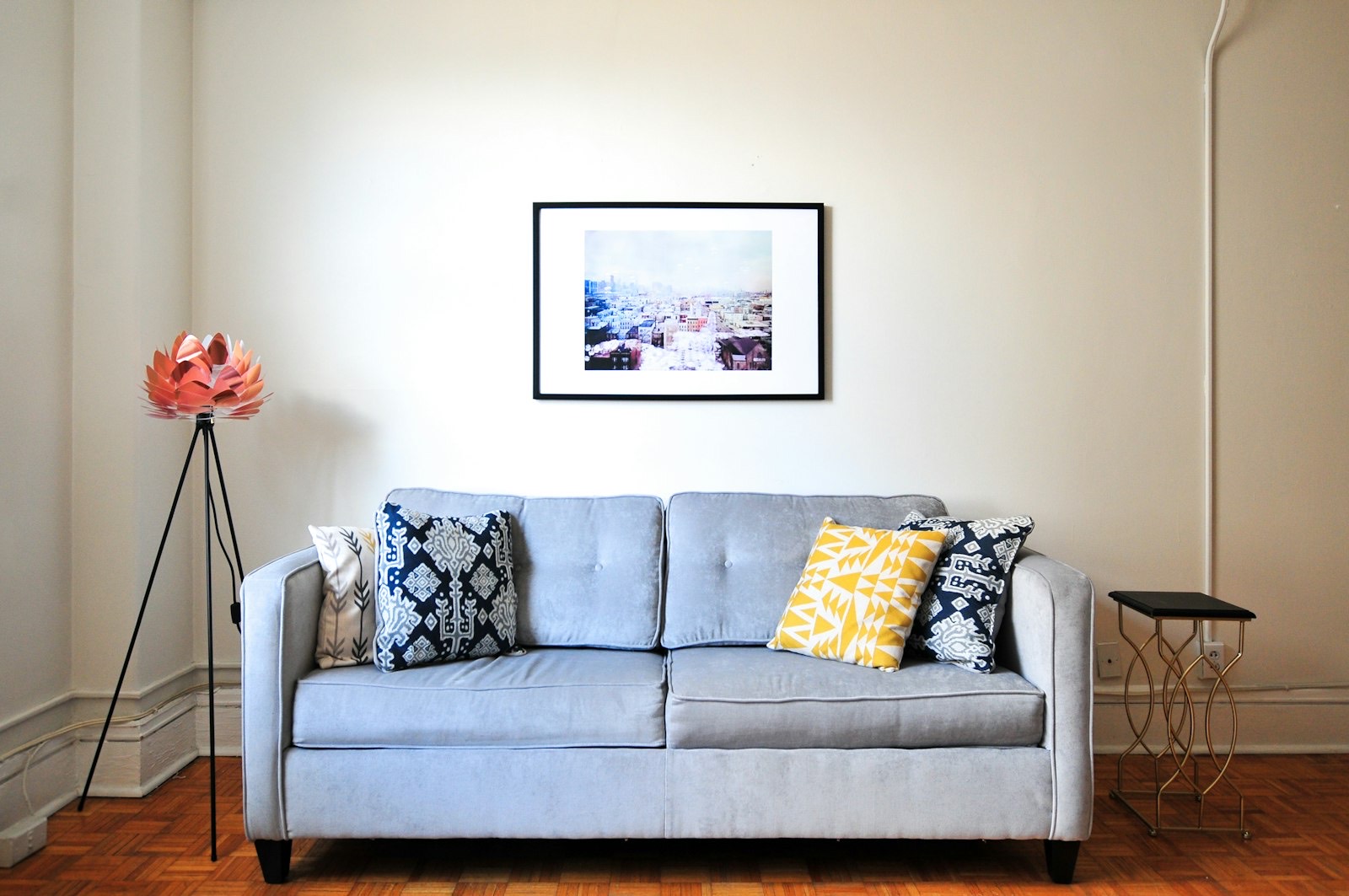
| Above a sofa back | 6–8″ to the lowest frame | Connects the art to the furniture below |
| Total width of the group | 60–75% of the furniture below | An 84″ sofa takes a 56–63″ arrangement |
| Centre of the whole group | 57–60″ from the floor | Standing eye level for most adults |
The second row is the one people miss. If your internal gaps are 2.5 inches, leave at least 5 inches of clear wall between the outermost frames and anything else — a door frame, a corner, a light switch.
Tighter gaps look more formal and modern; wider gaps look more casual. Either works. Inconsistent gaps never do.
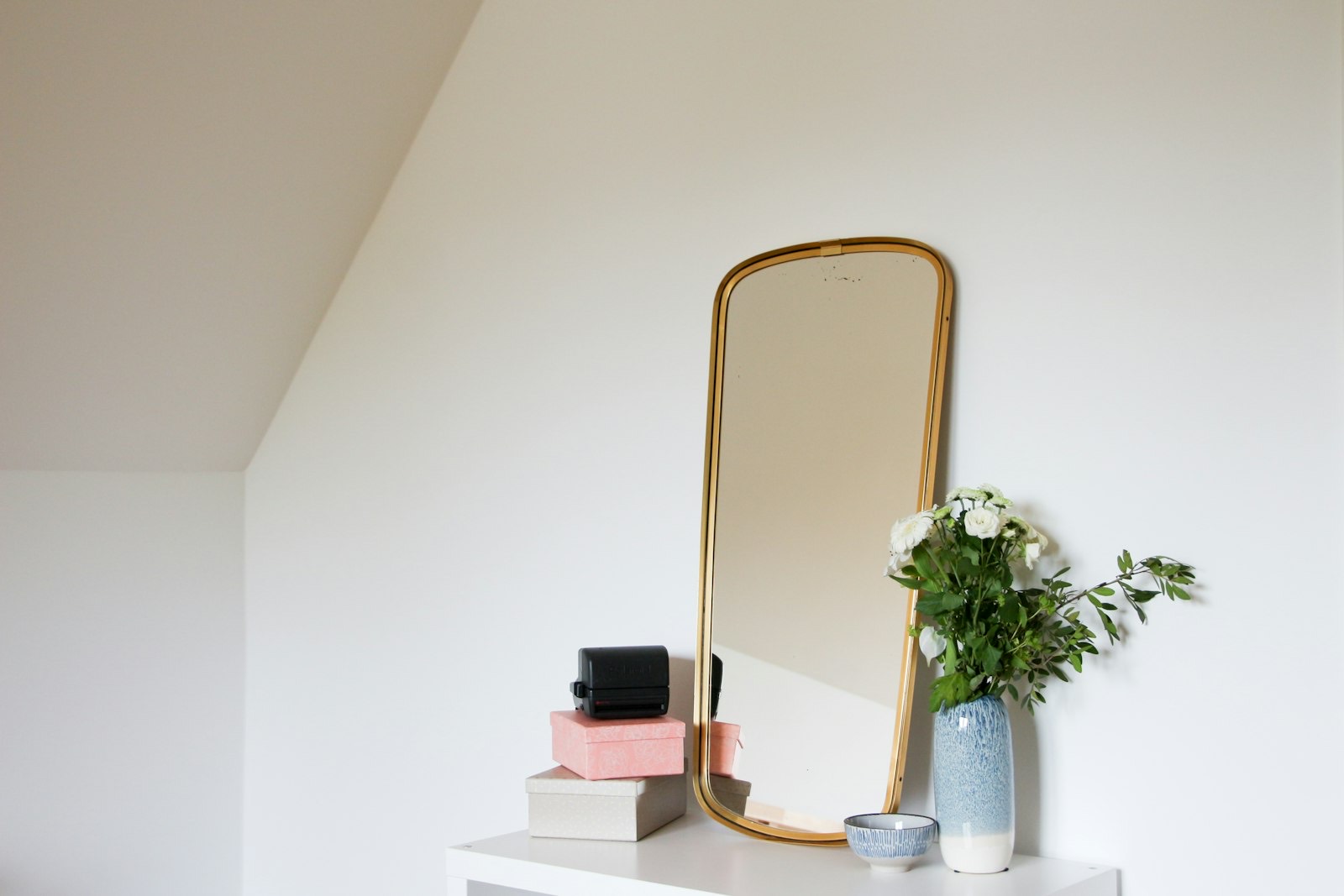
For a single large piece or a mirror rather than a group, the proportions differ slightly — our wall mirror sizing guide covers hanging one object above furniture.

Choosing a Layout
| Layout | How it works | Difficulty | Best for |
|---|---|---|---|
| Grid | Identical frames in even rows and columns | Easy to plan, unforgiving to hang | Sets of prints; formal rooms |
| Linear | A single row at consistent height | Easiest | Hallways and staircases |
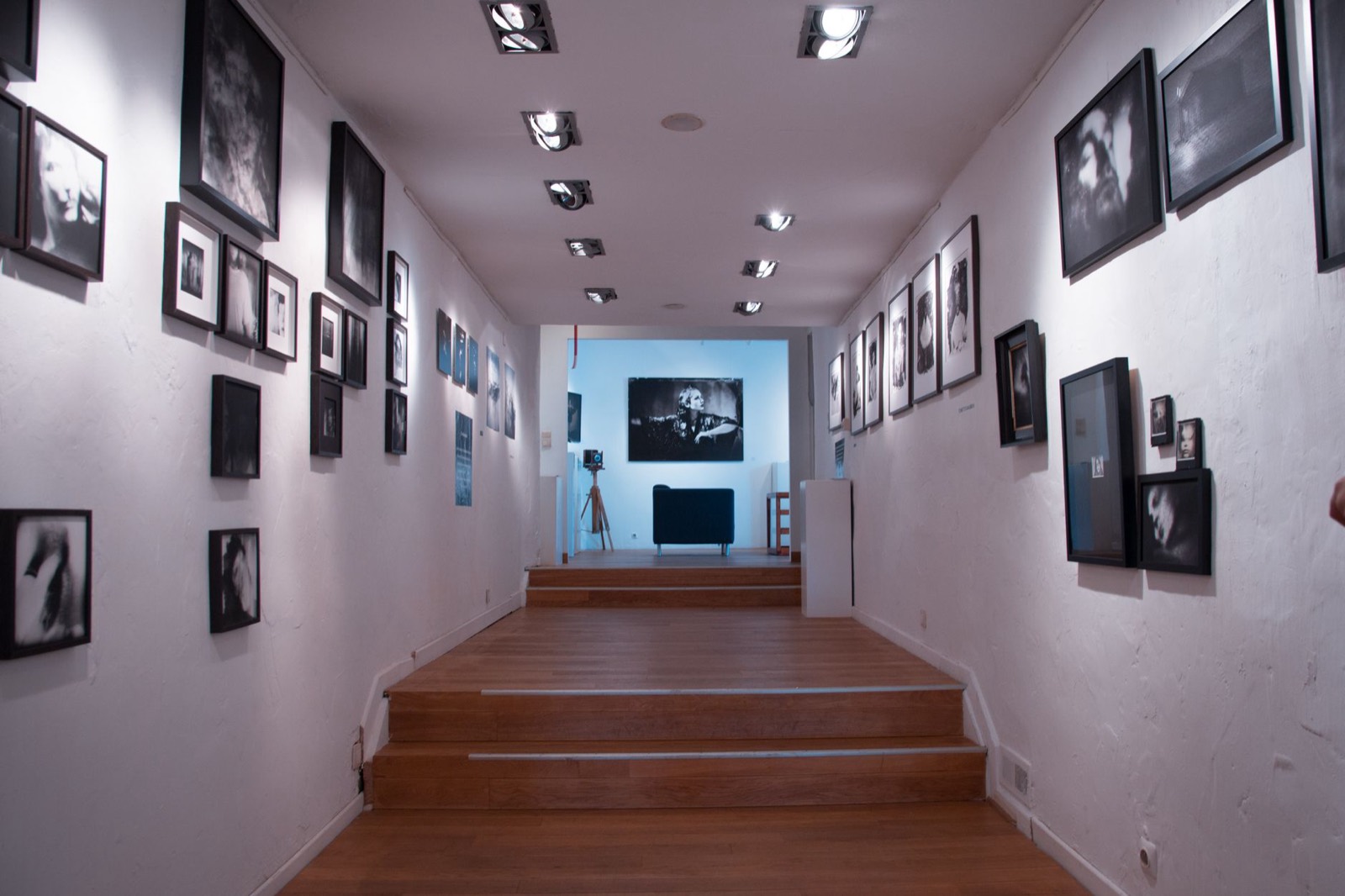
| Salon | Mixed sizes packed densely around a centre | Hardest to get right | Large walls; growing collections |
| Organic / asymmetric | Mixed sizes with a consistent gap | Moderate | Casual rooms; mismatched pieces |
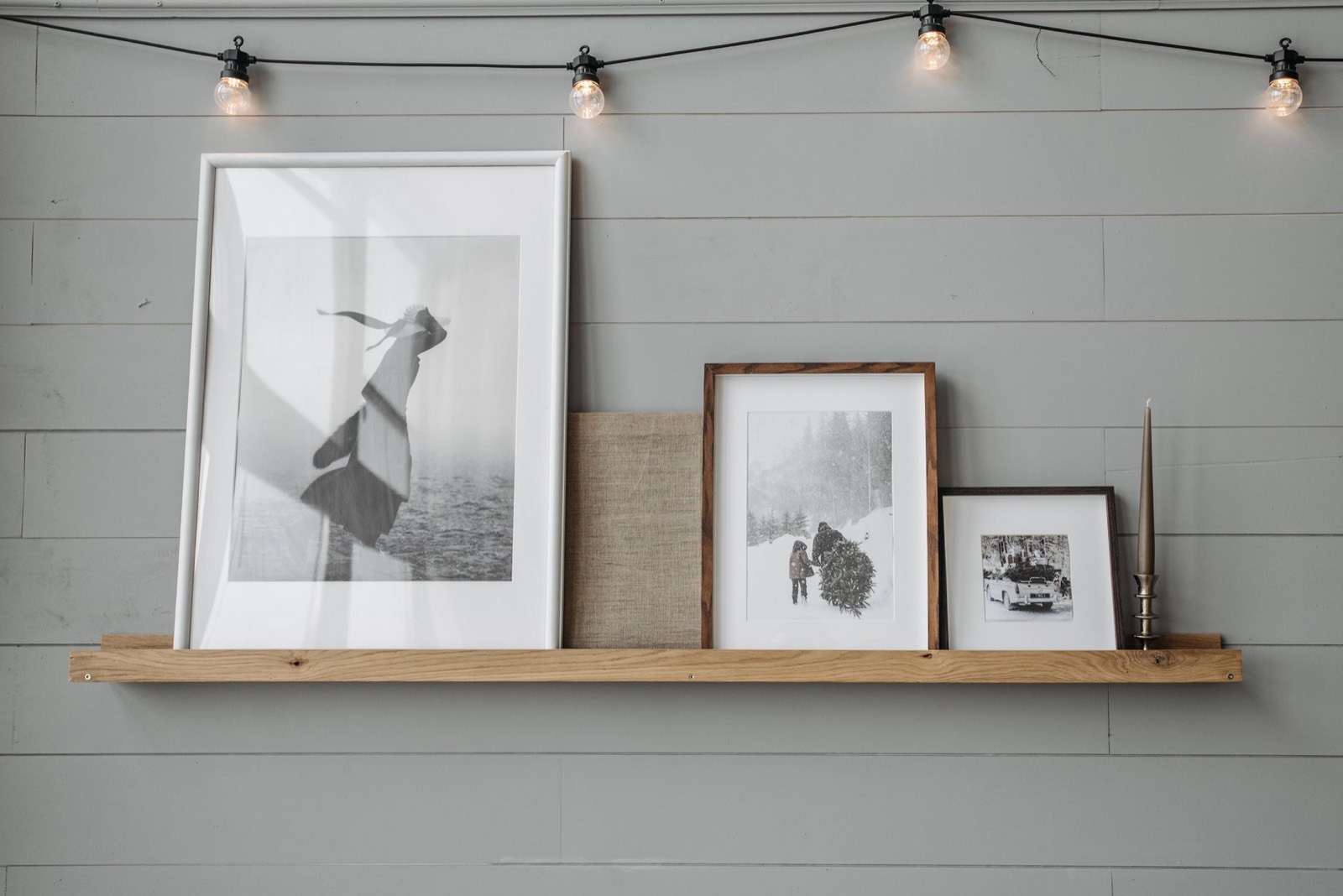
| Picture ledge | Shelf; frames lean rather than hang | Easiest to change | Renters; anyone who rearranges often |
A picture ledge is the underrated option. One row of fixings, no further holes ever, and you can swap and re-layer pieces in seconds — which is worth a great deal if you rent.
Salon-style walls look effortless and are the most work. They rely on a strong anchor piece slightly off-centre with everything else balanced around it by eye.
Plan It on the Floor First
- Lay every frame on the floor and arrange until the composition works.
- Photograph it from directly above so you have a reference.
- Cut paper templates the exact size of each frame.
- Tape the templates to the wall with painter’s tape and live with them for a day.
- Mark the hanging point on each template — measure from the top of the frame to the hook or wire, not to the frame’s centre.
- Drive the fixings straight through the paper, then tear it away.
That fifth step is where most gallery walls go wrong. A hanging wire sits an inch or two below the top of the frame, and forgetting that shifts every piece downward by the same amount.
Templates cost nothing and eliminate the row of abandoned holes that otherwise ends up behind the finished arrangement.
Frames and Mats
Framing is where a cheap print starts looking expensive, and where an expensive one can be quietly ruined.
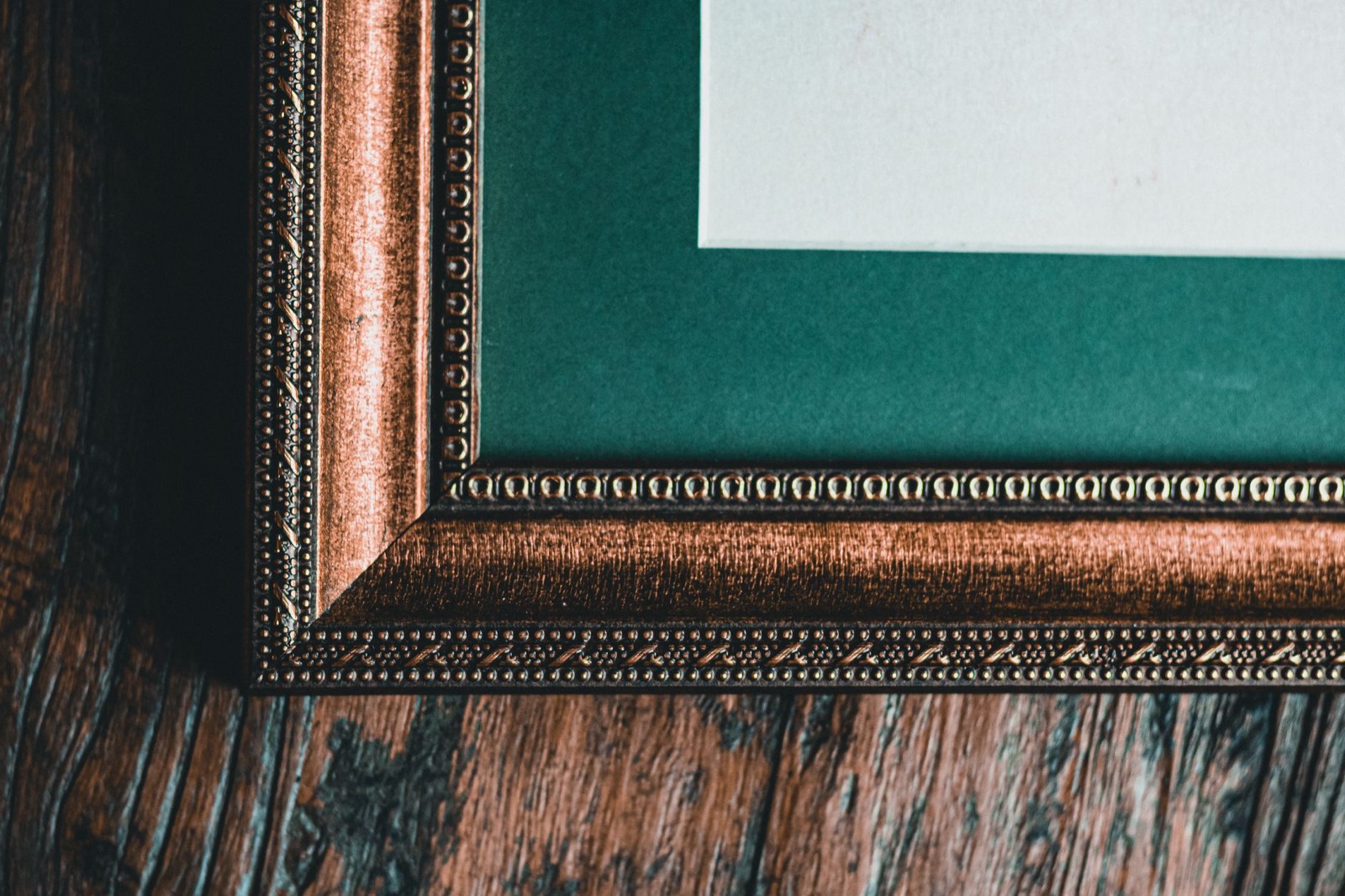
- A generous mat — 2 to 3 inches — makes a small piece read as significant
- Consistency in one element holds a mixed group together: all black frames, or all white mats, or all the same wood
- Weight the bottom mat margin slightly deeper than the top and sides for traditional framing
- Match frame depth to the contents — anything with texture needs a spacer so the glass does not touch it
- Non-glare glass in rooms with strong daylight, though it slightly softens detail
If the artwork matters
For anything original, signed or sentimental, two details are worth paying for: acid-free mats and backing, and UV-filtering glazing.
Ordinary cardboard backing is acidic and will brown the edges of a print over years. Ordinary glass does nothing to slow fading from daylight.
The American Institute for Conservation publishes accessible guidance on caring for personal collections, and it is worth a look before framing anything irreplaceable.
Simplest of all: never hang anything valuable on a wall that gets direct sun. No glazing fully prevents fading, and that is the one form of damage that cannot be reversed.
Hanging It Safely
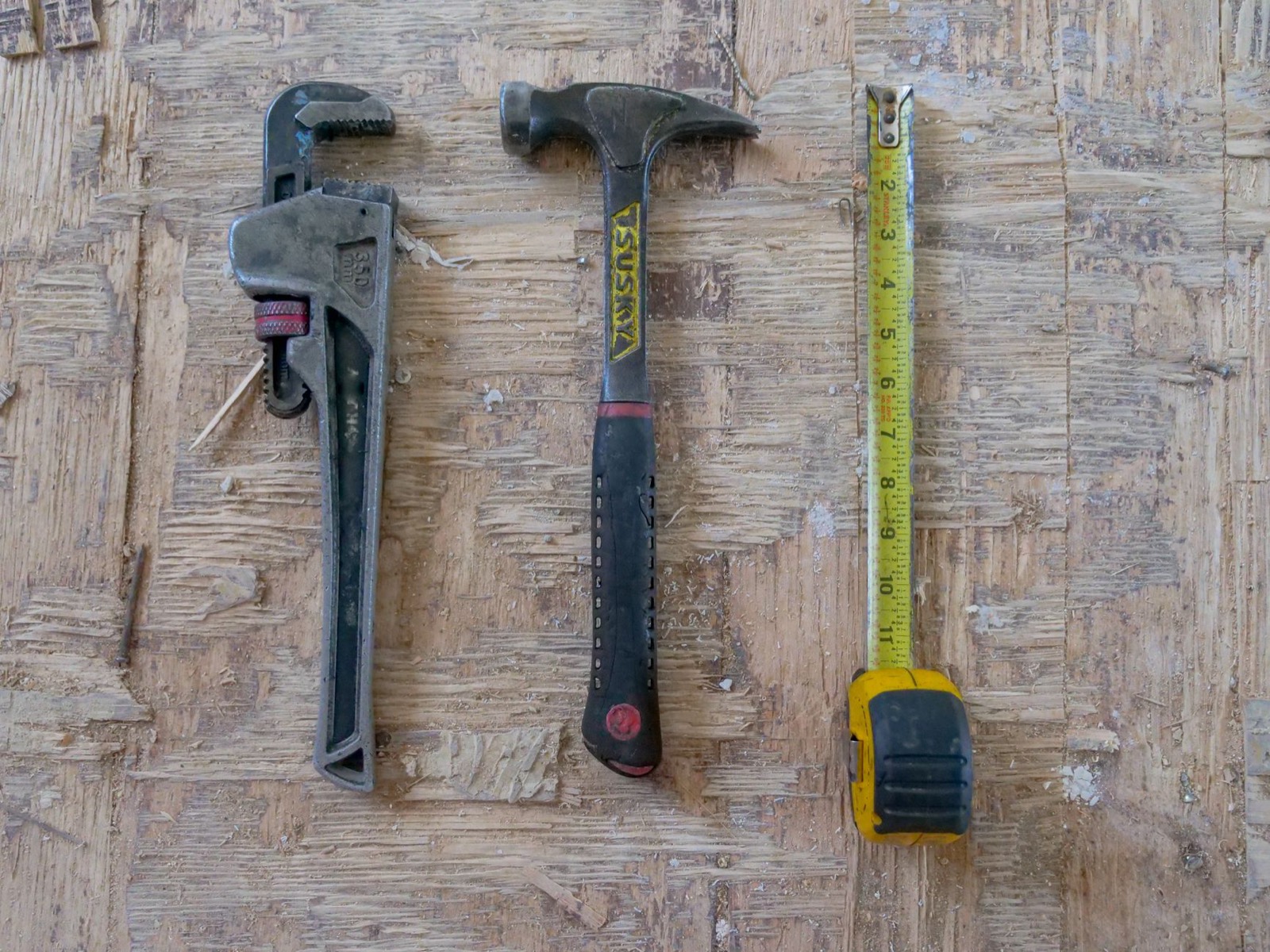
- Weigh each framed piece before choosing fixings — glass and hardwood frames are heavier than they look
- Anything over about 20 pounds should hang from a stud or a properly rated toggle
- Use two hanging points on wider frames so they stay level
- Adhesive strips suit small light frames only, and lose grip in high humidity
- Above a sofa or a bed, prefer a secure fixing over an adhesive solution
Humidity matters here more than most guides admit. Adhesive hanging strips lose adhesion in a damp coastal summer, and they tend to fail at night when nobody is watching.
Common Sizes to Build Around
Working with standard print and frame sizes keeps costs down and makes replacements straightforward years later.
| Print size | Frame size with a mat | Role in a gallery wall |
|---|---|---|
| 5″ × 7″ | 8″ × 10″ | Filler pieces at the edges |
| 8″ × 10″ | 11″ × 14″ | The most useful mid-size |
| 11″ × 14″ | 16″ × 20″ | Secondary anchors |
| 16″ × 20″ | 20″ × 24″ | Main anchor on a medium wall |
| 24″ × 36″ | 30″ × 42″ | Single statement piece |
A useful composition mixes three sizes rather than two or five — one anchor, two or three mid-size pieces, and a few small fillers.
Frequently Asked Questions
How far apart should frames be on a gallery wall?
Two to three inches, kept consistent throughout. Consistency matters far more than the exact figure — uneven gaps are what make an arrangement look accidental.
How high should a gallery wall be hung?
Centre the whole arrangement at 57 to 60 inches from the floor. Above a sofa, ignore that and work from the furniture instead — 6 to 8 inches above the sofa back.
How wide should art above a sofa be?
Around 60 to 75 percent of the sofa width. For a standard 84-inch sofa that means an arrangement spanning roughly 56 to 63 inches.
Do all the frames need to match?
No, but one element should. All the same frame colour, or all the same mat colour, or all the same wood tone is enough to hold a mixed collection together.
Is acid-free framing worth it?
For anything original or sentimental, yes. Ordinary backing board is acidic and browns paper over the years, and the damage cannot be undone. For mass-produced prints it matters far less.
Start With the Furniture Below
Every measurement above is derived from the piece of furniture underneath. Measure that first and the wall arrangement sizes itself.
Our home accents, mirrors and decor range in Newport News includes the mirrors and accent pieces that anchor a wall arrangement.
Sizing the furniture first? See our guides to measuring for a sofa, console tables and dressers — all common anchors for a gallery wall.
Lighting makes or breaks a display wall. Our home lighting guide covers accent lighting, and our furniture care guide covers protecting finishes and fabrics from the same daylight that fades art.
Browse living room and bedroom furniture, check clearance and specials, or ask our Newport News team what will suit your wall.