Thread count is the most quoted number in bedding and one of the least useful. A 1,000-count sheet in poor cotton will feel worse and last less time than a 300-count sheet in good cotton.
What actually determines how sheets feel is the fibre they are made from and the way it is woven. Everything else is marketing.
Here is how to read a bedding label, and how to choose the top layer that goes over it.
Percale or Sateen: The Choice That Matters
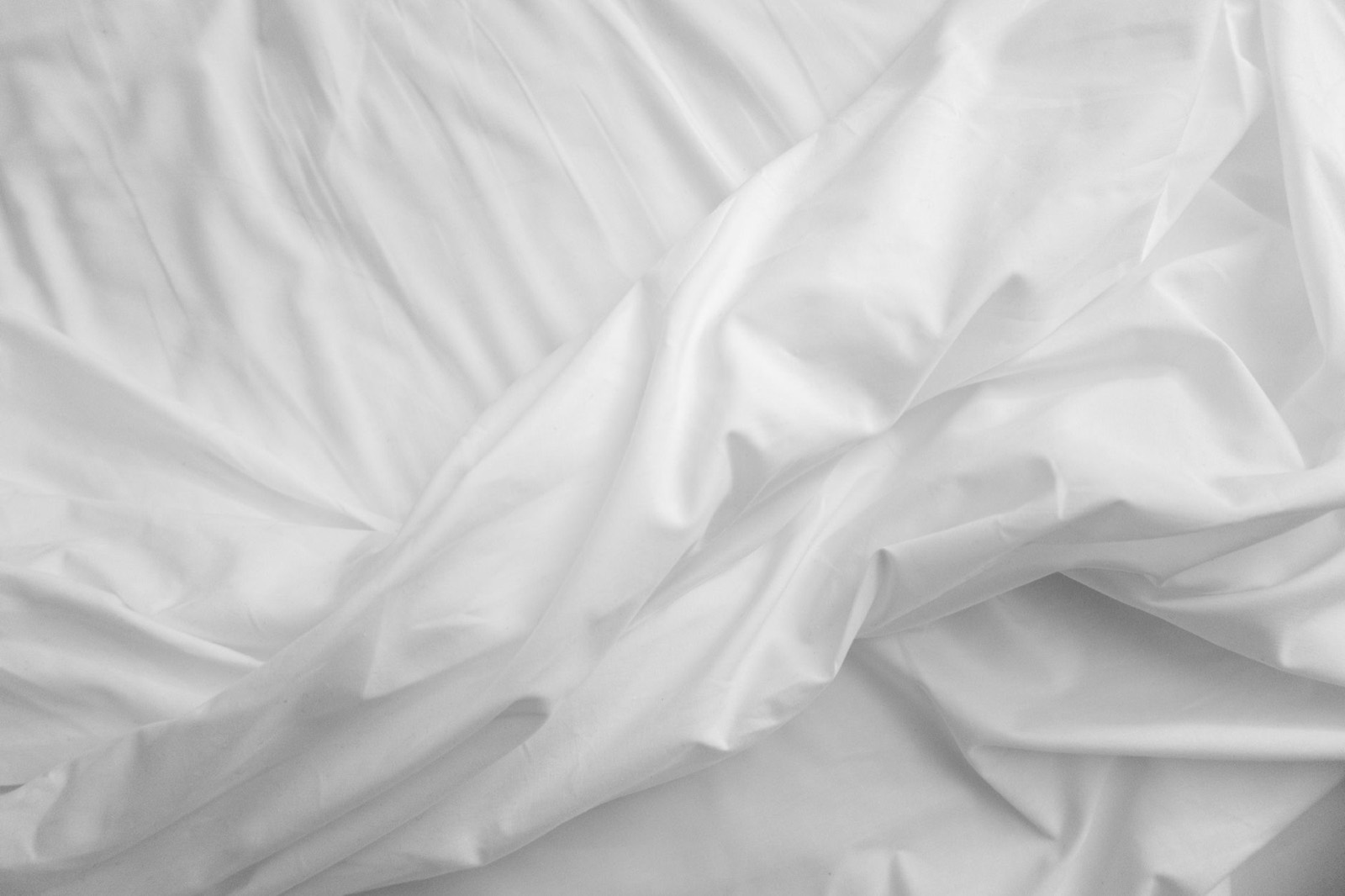
Both are usually cotton. The difference is entirely in how the threads cross, and it changes the feel completely.
| Percale | Sateen | |
|---|---|---|
| Weave | One over, one under | Four over, one under |
| Feel | Crisp, matte, hotel-like | Smooth, silky, slight sheen |
| Breathability | Excellent | Moderate |
| Best season | Summer; warm rooms | Autumn and winter |
| Best for | Hot sleepers | Anyone who runs cold |
| With washing | Softens without losing structure | Stays smooth; can pill if low quality |
| Useful thread count | 200–400 | 300–600 |
If you sleep hot — and in a Virginia summer most people do — percale is the answer. That crisp, cool hotel-sheet feel is the percale weave, not a high thread count.
Room temperature affects sleep quality measurably, and bedding is part of managing it. The American Academy of Sleep Medicine’s patient education site covers the sleep environment more broadly.
What Thread Count Actually Tells You
Thread count is threads per square inch. It only means something within a single weave and fibre.
- Above roughly 400 for percale and 600 for sateen, higher numbers stop improving anything
- Very high counts are often reached by twisting multiple thin plies together and counting each one
- Single-ply, long-staple cotton at a moderate count beats a high count in short-staple cotton every time
- Look for the fibre named — Egyptian, Supima or Pima — rather than just a number
- “Cotton rich” or unspecified “cotton” usually means a blend
The practical rule: read the fibre and the weave first, and treat thread count as a tiebreaker between two sheets that are otherwise identical.
Fibres Compared
| Fibre | Feel | Temperature | Durability | Notes |
|---|---|---|---|---|
| Long-staple cotton | Soft, improves with age | Breathable | Excellent | The dependable default |
| Linen | Textured, relaxed | Coolest available | Outstanding — decades | Expensive; wrinkles by design |
| Bamboo viscose | Very smooth, drapey | Cool | Moderate | Soft immediately; can pill |
| Microfibre | Soft, slightly slick | Warmest — traps heat | Moderate | Cheapest; poor for hot sleepers |
| Cotton blends | Varies | Varies | Good | Wrinkle less; breathe less |
| Flannel | Brushed and fuzzy | Warmest by design | Good | Winter only; measured in weight, not thread count |
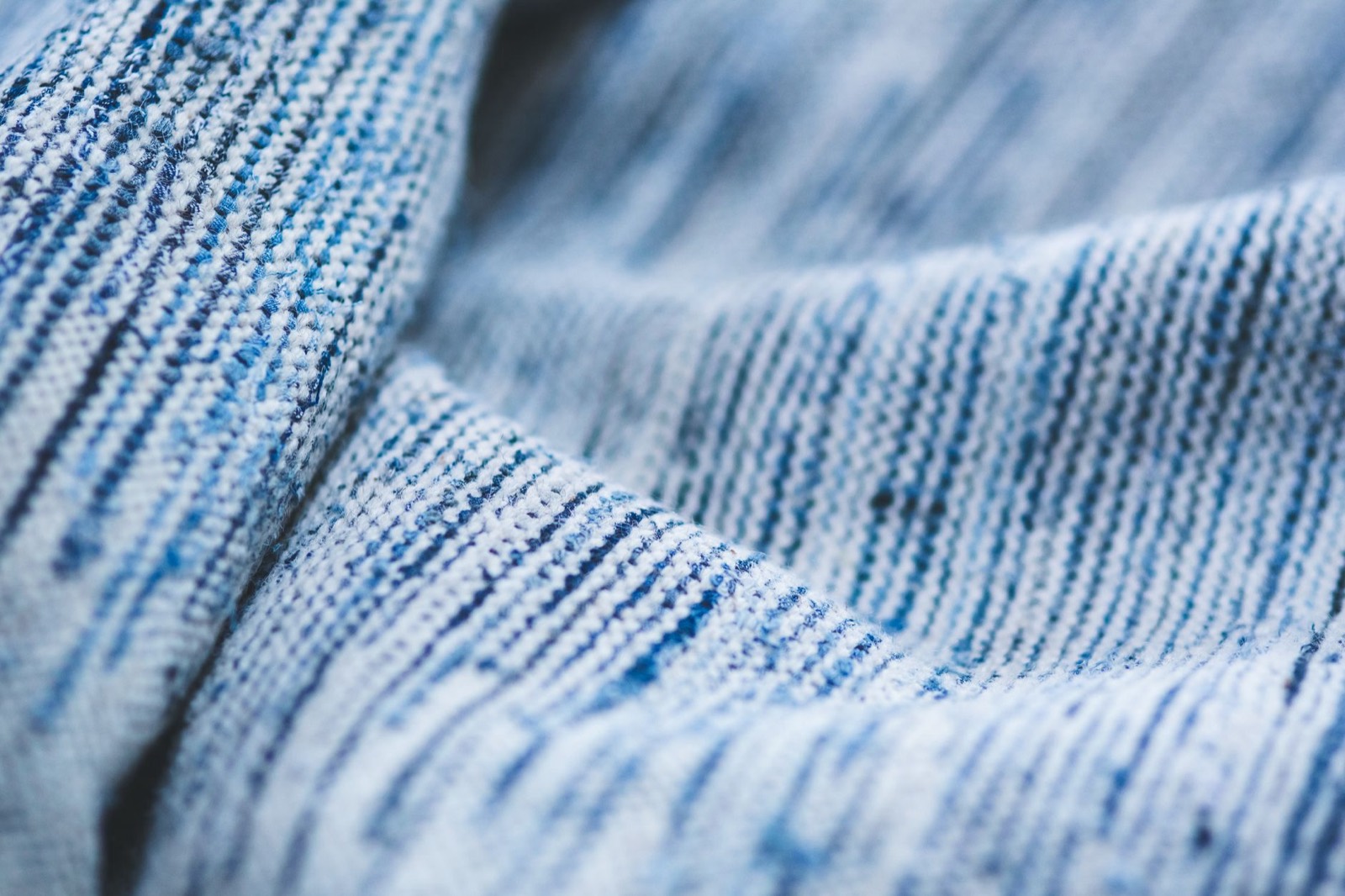
Linen is the one worth understanding. It costs the most, feels coarse for the first few washes, then becomes the coolest and longest-lasting bedding available. In a humid coastal climate that trade is often worth making.
Duvet, Comforter, Quilt or Coverlet?
| Top layer | What it is | Needs a cover? | Washing |
|---|---|---|---|
| Duvet insert | Fill in a plain shell with corner loops | Yes — that is the point | Wash the cover, not the insert |
| Comforter | Fill in a decorative shell, used as-is | No | Usually machine washable whole |
| Quilt | Three thin stitched layers | No | Machine washable; lightest option |
| Coverlet | Thin woven throw over other bedding | No | Easy; decorative rather than warm |
| Blanket | Single woven layer | No | Easy; layers under anything |
The duvet-and-cover system wins on practicality. You wash a cover weekly instead of wrestling a whole comforter into a machine, and you change the look of the bed by changing the cover.
Comforters win on cost and simplicity. If nobody in the house wants to wrestle a duvet insert into a cover, a washable comforter is the honest choice.
Choosing a duvet fill
The fill inside determines warmth, weight and price far more than the cover over it.
| Fill | Warmth for the weight | Notes |
|---|---|---|
| Down | Highest — very light | Expensive; some people react to it |
| Down alternative | Good | Washable and hypoallergenic; heavier for the same warmth |
| Wool | Good | Regulates temperature well; naturally moisture-wicking |
| Cotton | Lower | Breathable and washable; ideal for warm climates |
In a climate with long humid summers and mild winters, a lightweight cotton or wool-filled duvet used year-round often beats a heavy down one that gets abandoned from May to October.
Look for baffle-box construction rather than simple stitched-through channels on anything you expect to last. Stitched-through seams let fill migrate and create cold spots within a couple of years.
Sizing and Seasons
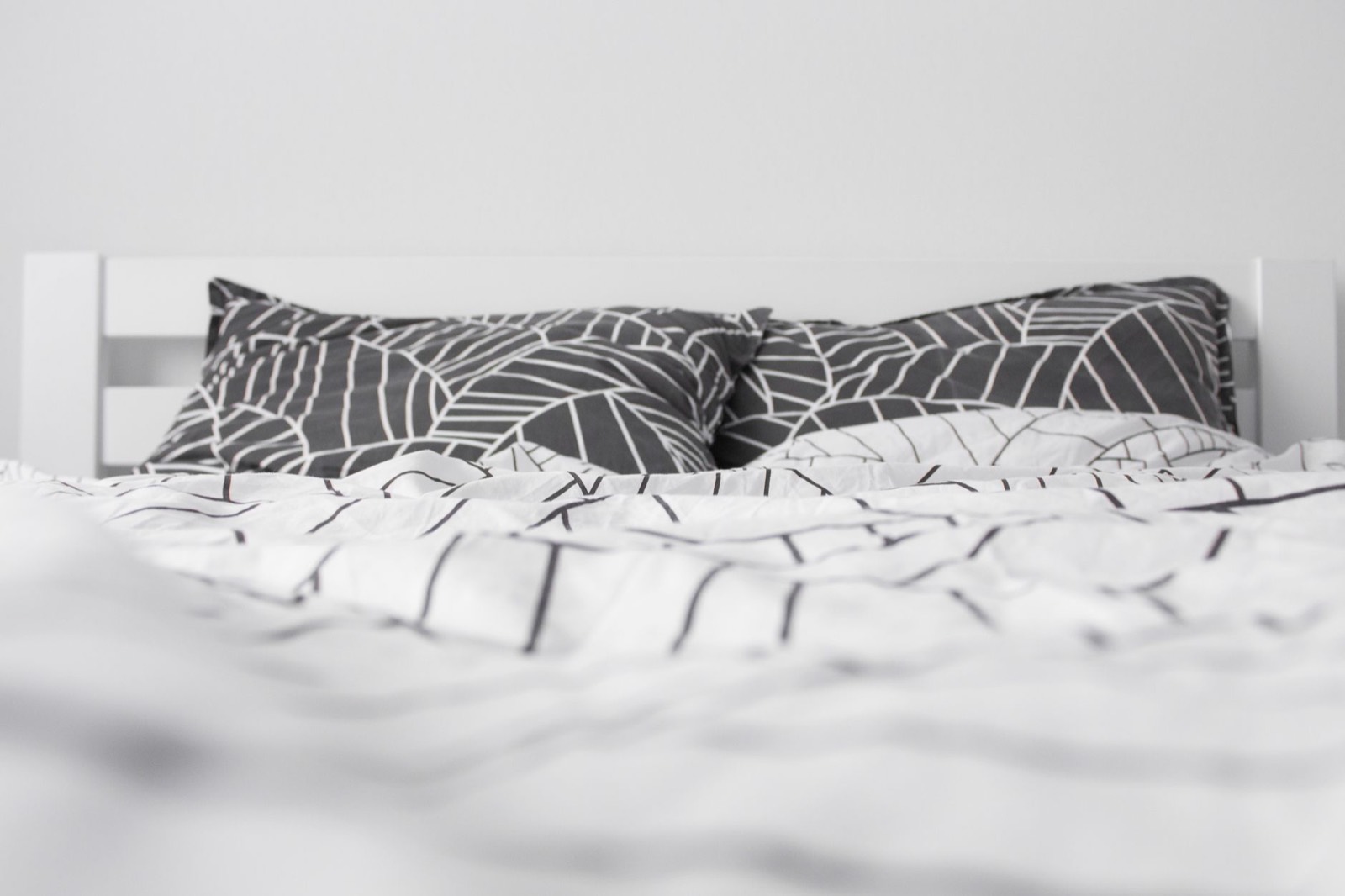
Duvets and comforters are sized to the bed rather than the mattress, and generous overhang is what stops bedding being pulled off you at night.
- Size the top layer to your bed, and buy up if two people share and one pulls
- A queen duvet on a queen bed gives modest overhang; a king duvet on a queen solves most tug-of-war problems
- Fitted sheets are a different calculation — they must match your mattress depth plus any topper
- Keep a lighter percale set for summer and a heavier sateen or flannel set for winter
- Two duvet weights beat one all-year compromise if storage allows
Our guide to protectors, pads and toppers covers the fitted-sheet depth calculation, and the mattress size chart confirms the bed dimensions everything is sized against.

Frequently Asked Questions
Does thread count matter?
Less than the marketing suggests. Above about 400 for percale and 600 for sateen it stops improving anything. Fibre quality and weave matter far more — single-ply long-staple cotton at 300 beats short-staple cotton at 1,000.
What is the difference between percale and sateen?
The weave. Percale is one over, one under — crisp, matte and breathable. Sateen is four over, one under — smoother, slightly shiny and warmer. Percale suits hot sleepers; sateen suits cold ones.
What is the difference between a duvet and a comforter?
A duvet insert is plain fill designed to go inside a washable cover. A comforter has a decorative outer shell and is used as it comes. Duvets are easier to launder; comforters are simpler and usually cheaper.
What sheets are best for hot sleepers?
Percale cotton or linen. Both breathe well and move moisture away. Avoid microfibre and heavy sateen, which trap heat against you.
Should I buy a bigger duvet than my bed?
If two people share and bedding gets pulled, yes. A king duvet on a queen bed gives enough overhang on both sides that neither person ends up uncovered.
Feel It Before You Commit
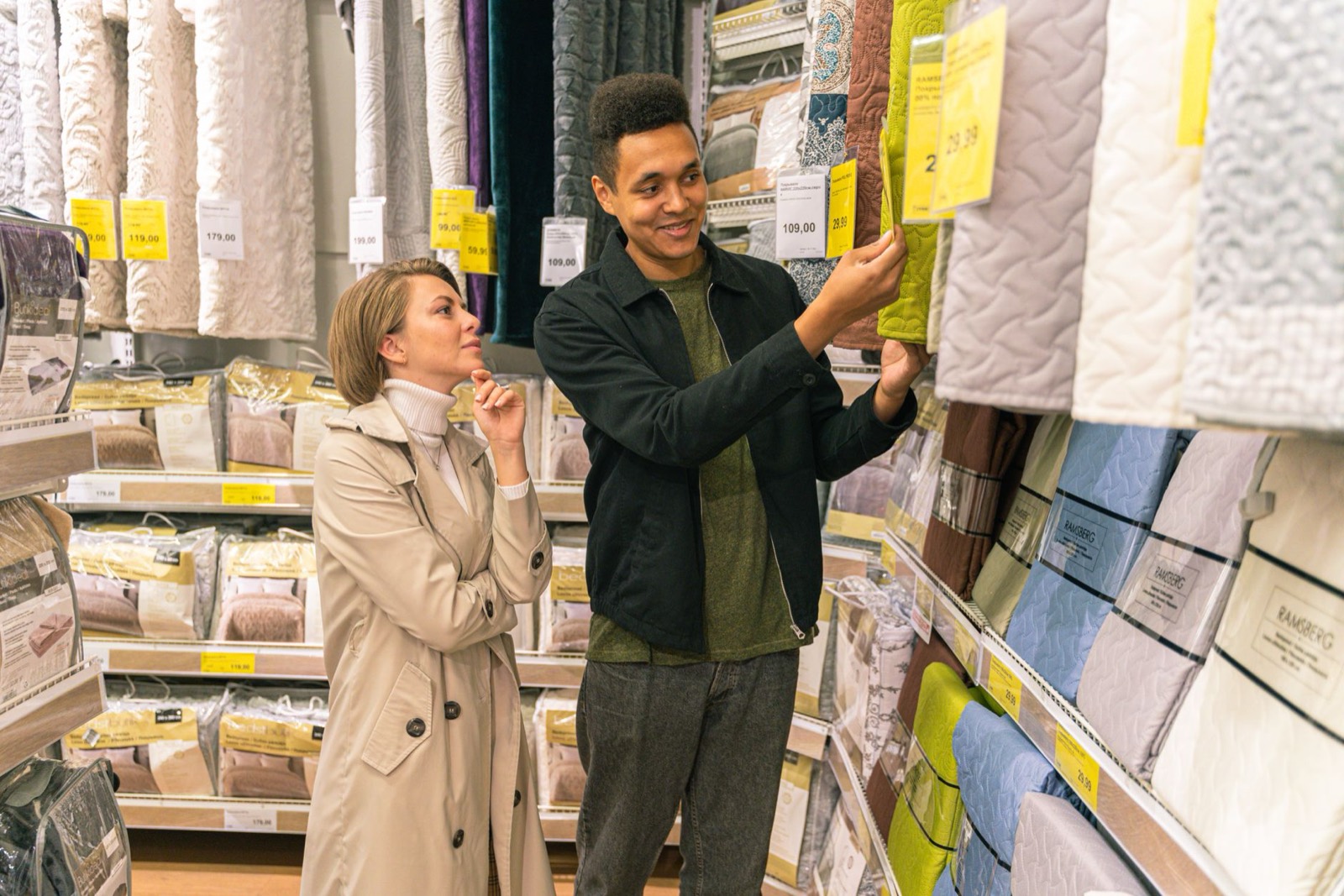
Percale and sateen are unmistakably different in the hand, and no description substitutes for touching both.
Our mattress and bedding range in Newport News sits alongside the beds it goes on, so you can match bedding to the mattress rather than buying blind.
If you sleep hot, the mattress matters as much as the sheets — our comparison of memory foam, innerspring and hybrid construction covers which constructions trap heat.
Also see our guides to pillow loft and fill, protectors and toppers and mattress sizes, or browse bedroom furniture.
Check clearance and specials, spread the cost with no-credit furniture financing, and see our delivery guide. Unsure what suits your room? Ask our Newport News team.