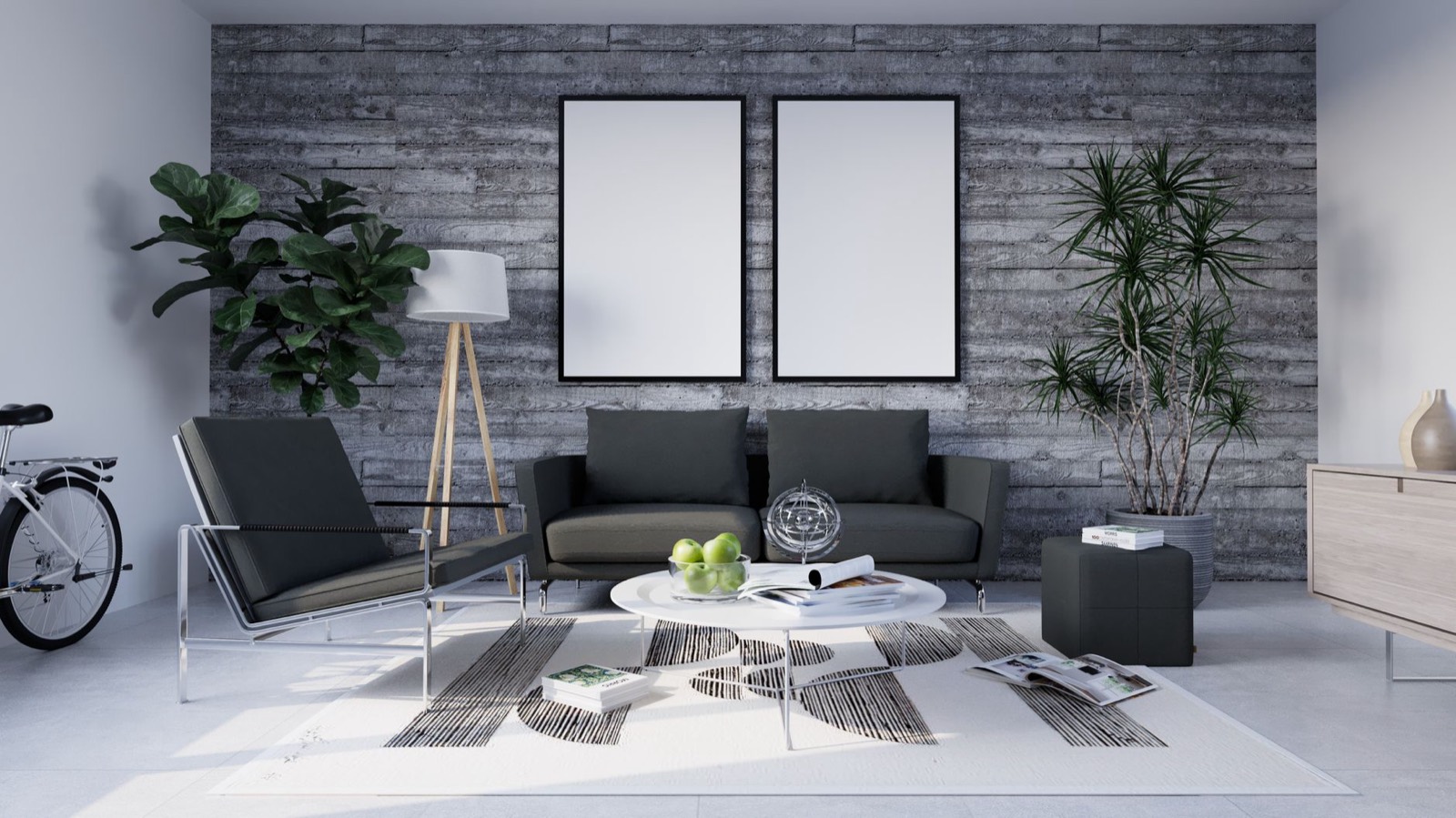
The most common decorating mistake in America is a rug that is too small. It is so common that a correctly sized rug looks oversized to people used to seeing the wrong thing.
An undersized rug makes furniture look like it is floating around an island. A correctly sized one pulls a seating group together and makes the whole room read as larger.
Here is how to size one for each room, and the standard dimensions to shop within.
Standard Rug Sizes
Rugs come in a fairly fixed set of dimensions. Knowing them saves a lot of time.
| Size | Typical use |
|---|---|
| 3 × 5 ft | Entryway; beside a bed |
| 4 × 6 ft | Small seating area; under a small table |
| 5 × 8 ft | Apartment living room; under a twin bed |
| 6 × 9 ft | Small living room; full bed |
| 8 × 10 ft | The most useful size — standard living room, queen bed |
| 9 × 12 ft | Large living room; king bed |
| 10 × 14 / 12 × 15 ft | Open-plan and very large rooms |
If you are torn between two sizes, take the larger one. Almost nobody regrets a rug that is slightly too big; everybody notices one that is too small.
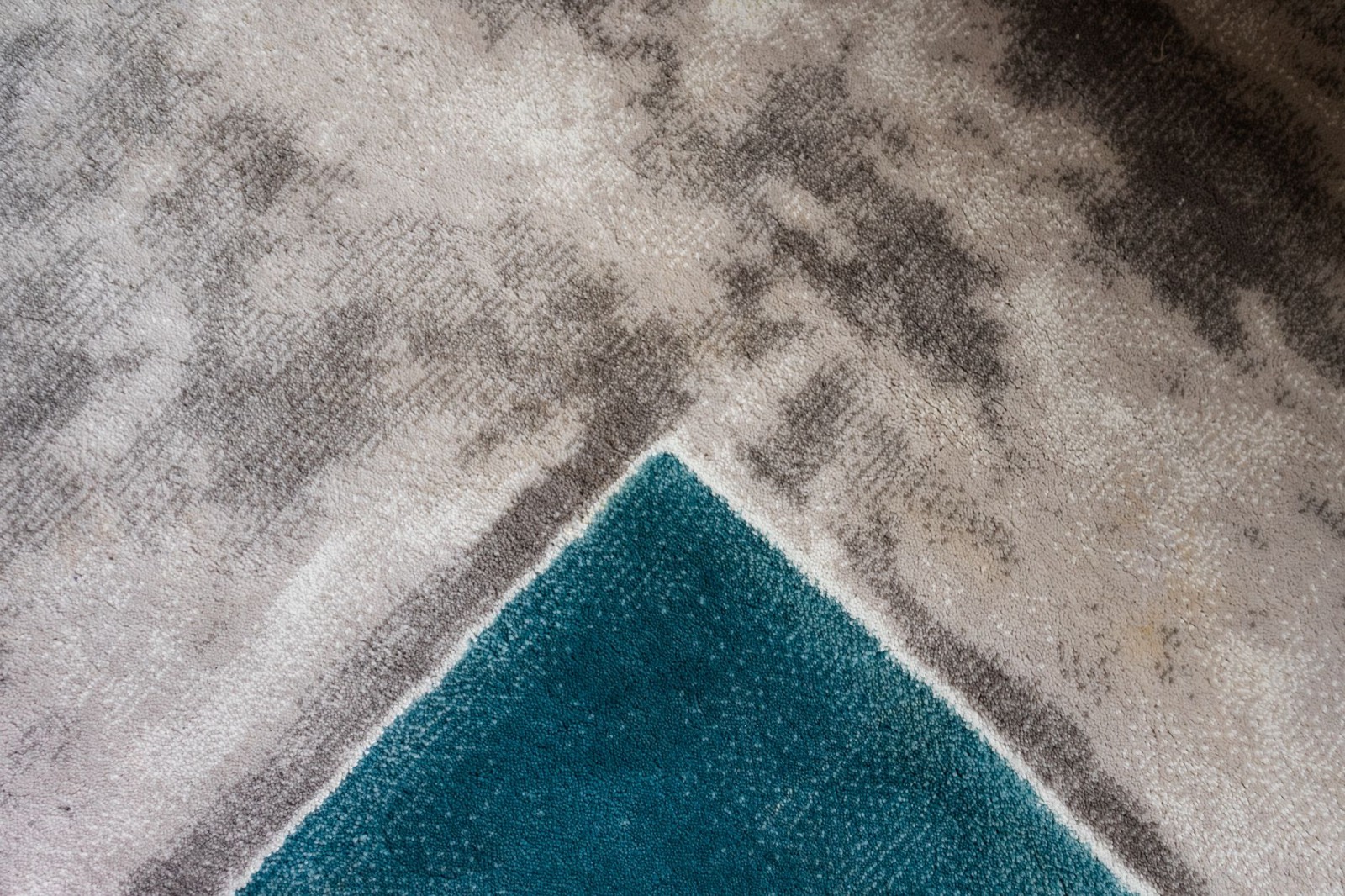
Living Room: Three Valid Layouts
| Layout | How it works | Best for | Rug size needed |
|---|---|---|---|
| All legs on | Every piece of furniture sits fully on the rug | Large rooms; the most cohesive look | 9 × 12 or larger |
| Front legs on | Front legs of sofa and chairs on; back legs off | Most rooms — the practical standard | 8 × 10 |
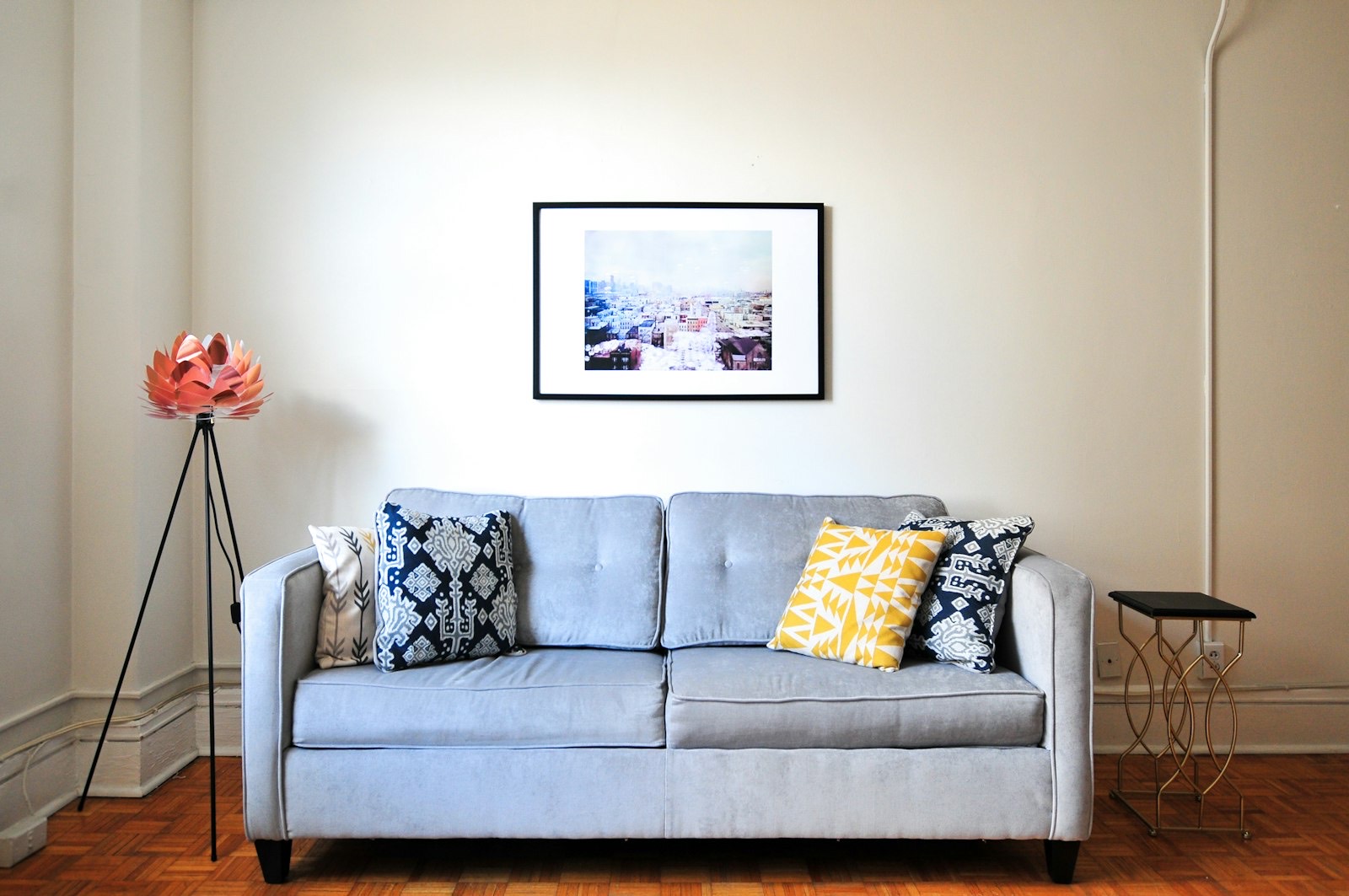
| Floating | Rug sits between furniture, touching nothing | Small rooms and apartments only | 5 × 8 or 6 × 9 |
Front-legs-on is the layout that works in the widest range of rooms. It connects the furniture without demanding the floor area that an all-legs-on arrangement needs.
The floating layout is the one that goes wrong. Done deliberately in a small apartment it is fine; done accidentally because the rug was too small, it is what makes a room feel disjointed.
Sizing by room area
- Under 200 sq ft — 5 × 8 or 6 × 9
- 200–400 sq ft — 8 × 10, the sweet spot for most American living rooms
- Over 400 sq ft — 9 × 12 or larger to unify the space
- Leave a 12 to 18 inch border of exposed floor around the rug
- The rug should be at least as wide as the sofa, and ideally 6–8 inches wider each side
That border matters. A rug running wall to wall reads as fitted carpet; one with a visible margin of floor around it reads as a deliberate choice.
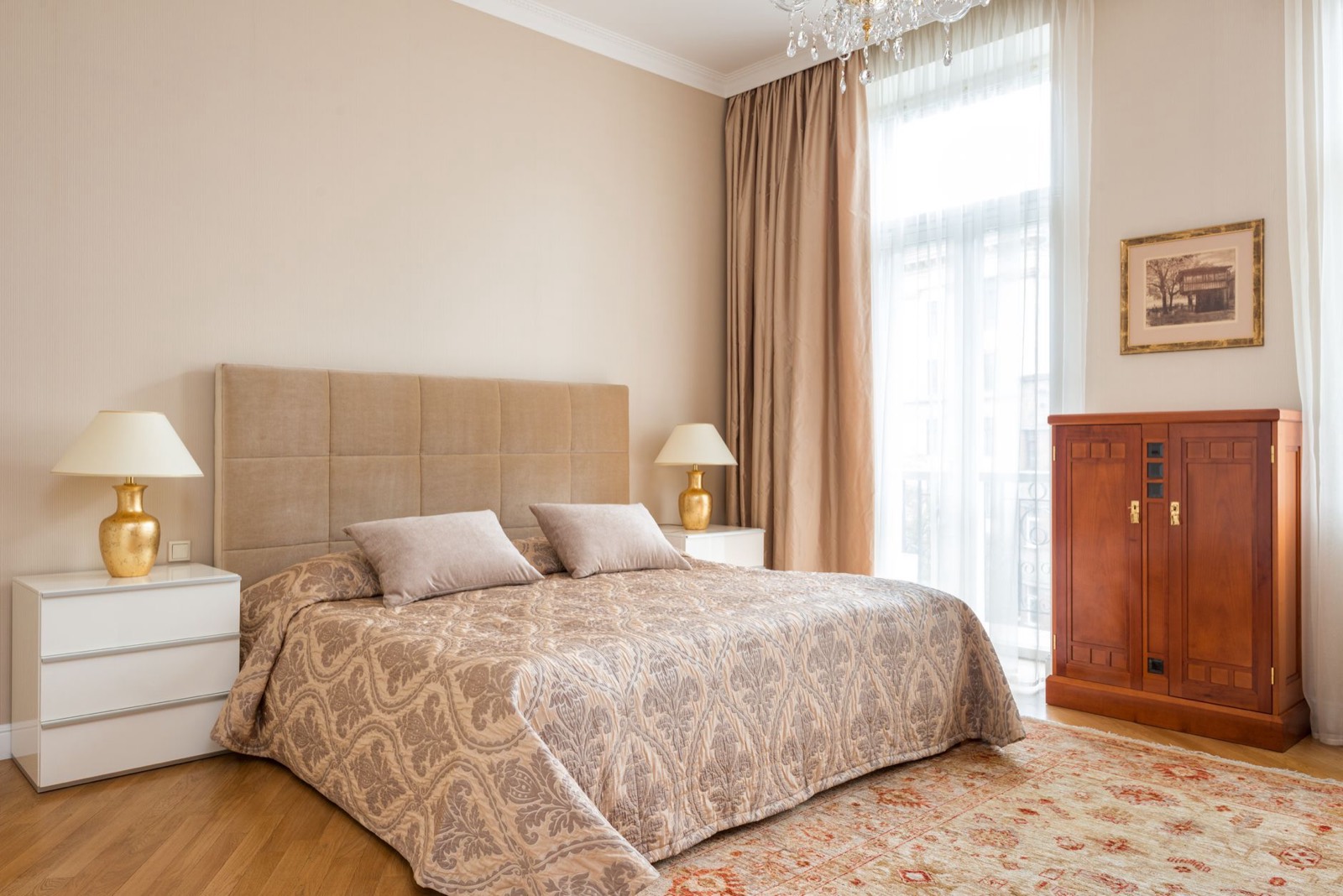
Bedroom: Rug on Three Sides
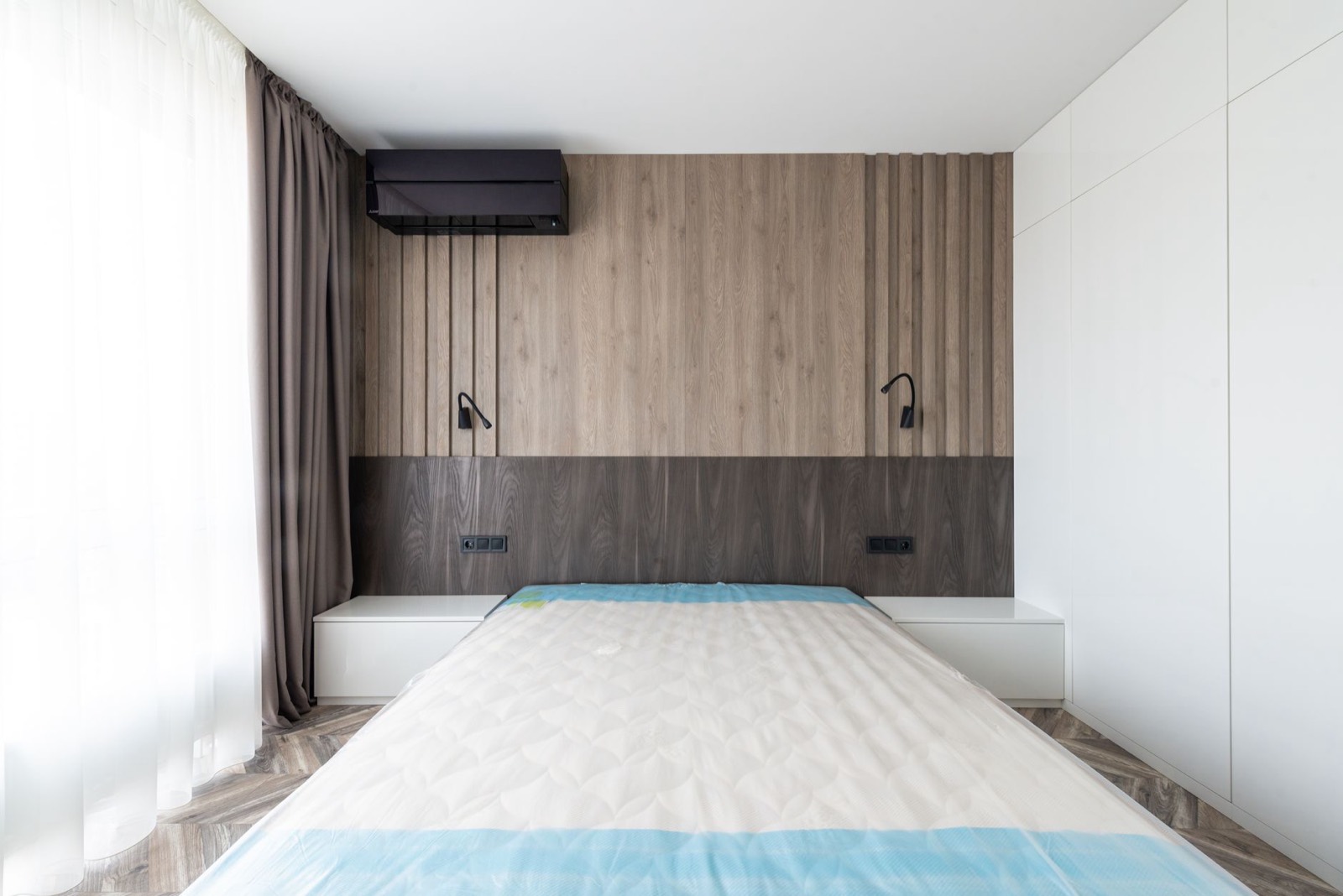
The goal in a bedroom is simple: your feet should land on something soft when you get out of bed.
| Bed size | Rug size | Placement |
|---|---|---|
| Twin | 5 × 8 | Under the lower two-thirds, or a runner alongside |
| Full | 6 × 9 or 8 × 10 | Under the lower two-thirds of the bed |
| Queen | 8 × 10 | 18–24″ of rug visible on three sides |
| King / Cal King | 9 × 12 | 18–24″ visible on three sides |
| Any size, tight budget | Two runners | One down each side of the bed |
Start the rug just below the nightstands rather than under them. Sliding a rug under the whole bed including the nightstands works too, but it needs a considerably larger rug for the same visible effect.
Two runners either side of the bed is the underrated budget option — it puts softness exactly where your feet land, at a fraction of the cost of a 9 × 12.
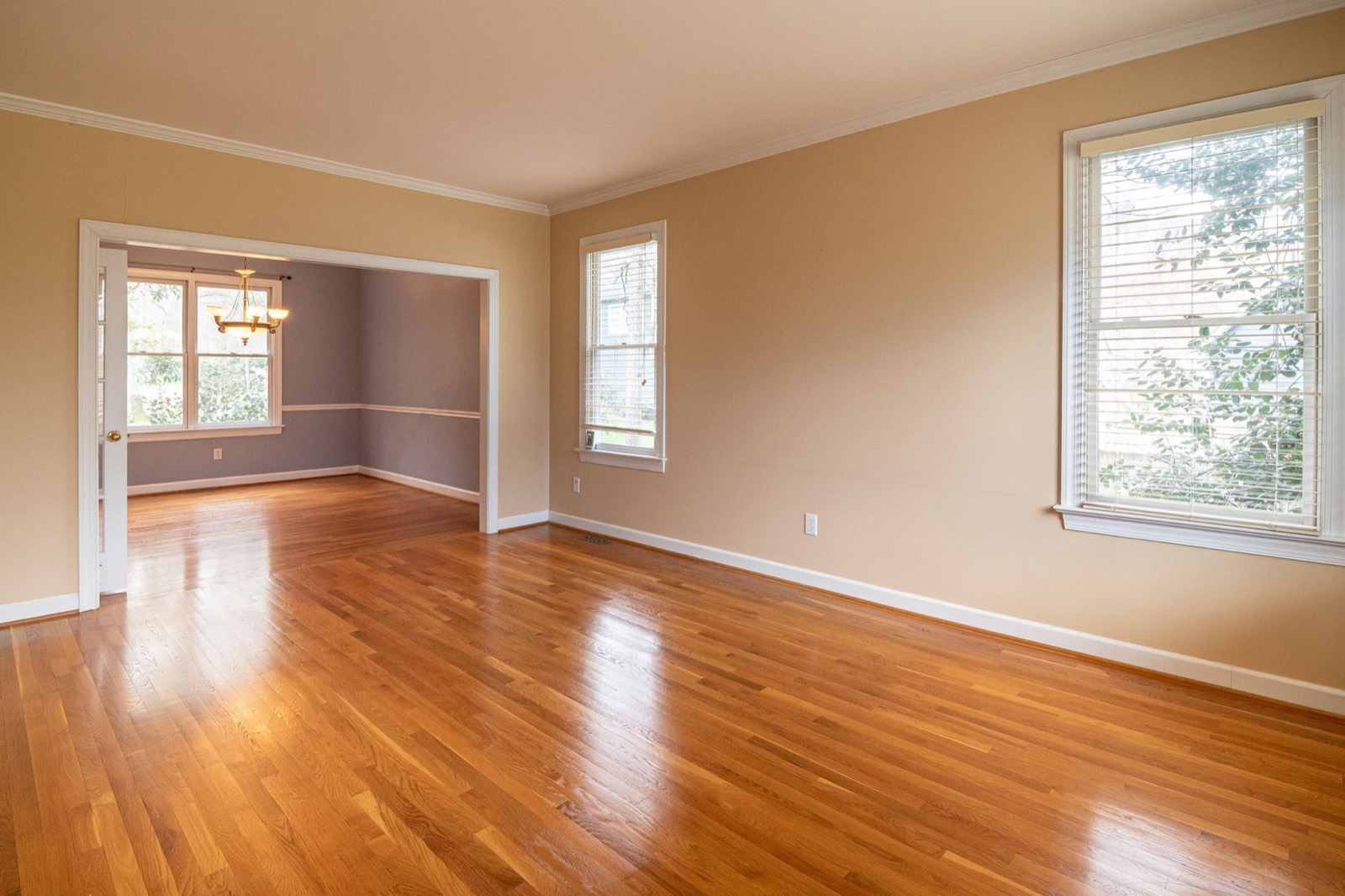
Pile, Material and Where Each Belongs
| Type | Feels | Best in | Avoid in |
|---|---|---|---|
| Low pile / flatweave | Firm underfoot | Dining rooms, entryways, under chairs | Bedrooms, if you want softness |
| Medium pile | The all-rounder | Living rooms | Nowhere in particular |
| High pile / shag | Deep and soft | Bedrooms, low-traffic rooms | Dining rooms; anywhere chairs move |
| Wool | Resilient, naturally stain-resistant | Living rooms; long-term buys | Damp rooms |
| Synthetic (polypropylene) | Hard-wearing, easy to clean | Family rooms, kids’ rooms | — |
| Natural fibre (jute, sisal) | Textured and coarse | Layering; casual rooms | Bare feet; humid areas |
Under a dining table, always choose low pile. Chair legs catch on anything deeper, and crumbs disappear into it — our dining table guide covers the sizing for that specific case.
Two practical extras: always use a rug pad, which stops slipping and roughly doubles the life of the rug. And if indoor air quality is a concern, the Carpet and Rug Institute runs the testing programme that certifies low-emission floor coverings.
Layering and Awkward Rooms
Not every room accepts a single rectangle, and there are established ways around that.
- Layering — a smaller patterned rug over a large natural-fibre one gives you the correct footprint at lower cost
- Open-plan rooms — use separate rugs to define seating and dining zones rather than one enormous rug
- Long narrow rooms — run the rug in the same direction as the room, not across it
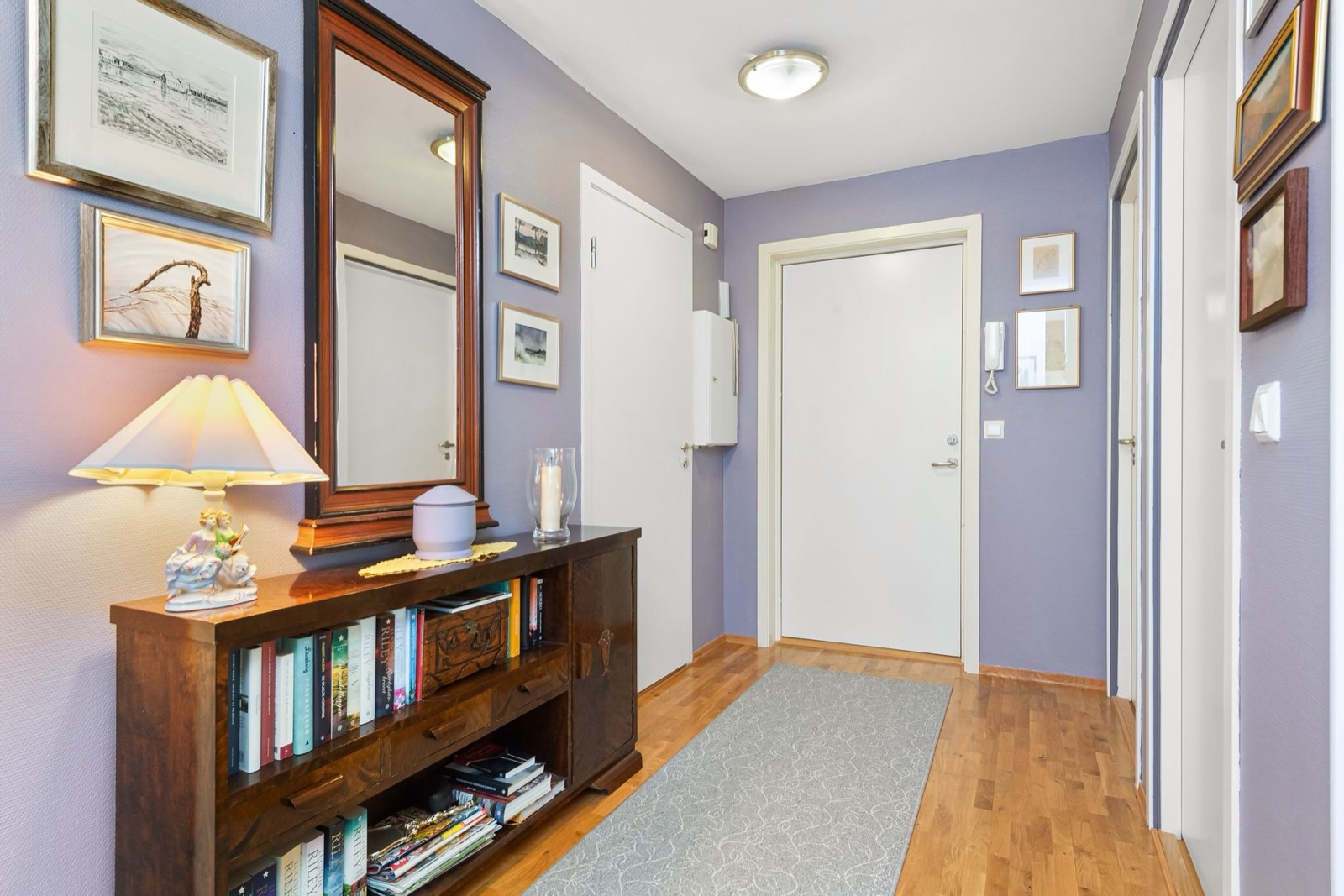
- Round rugs — suit square rooms, round tables and entry halls; size to the furniture group, not the room
- Awkward corners — an off-centre rug anchored to the seating usually beats one centred on the room
The layering trick is genuinely useful. A large jute base plus a smaller wool rug on top costs less than one big wool rug and gives you texture as well as the right coverage.
Frequently Asked Questions
What size rug for a standard living room?
An 8 × 10 suits most rooms of 200 to 400 square feet. Above 400 square feet, step up to a 9 × 12 so the rug still anchors the whole seating group.
Should furniture sit on the rug?
At minimum the front legs of the sofa and chairs. All legs on looks the most cohesive but needs a larger rug; furniture entirely off the rug only works deliberately in small rooms.
What size rug goes under a queen bed?
An 8 × 10, positioned so 18 to 24 inches of rug shows on three sides. Start it just below the nightstands rather than running it under them.
How much floor should show around a rug?
Twelve to eighteen inches of exposed floor around the edges. Much less and it reads as badly fitted carpet; much more and the rug looks marooned in the middle of the room.
Do I need a rug pad?
Yes. It stops the rug sliding, cushions it underfoot, and roughly doubles its lifespan by preventing the backing from grinding against the floor. It is the cheapest thing you will buy for the room.

Tape It Out First
Mark the rug dimensions on the floor with painter’s tape before buying. Nothing else conveys how much floor an 8 × 10 actually covers.
Our home accents and decor range in Newport News sits alongside the furniture a rug has to work with, so you can judge scale properly.
Sizing the furniture first? Our guides to measuring for a sofa, coffee table proportions and ottoman sizing cover the pieces that sit on top of it.
For bedrooms, check the mattress size chart to confirm your bed footprint, and browse bedroom and living room furniture.
Check clearance and specials, spread the cost with no-credit furniture financing, and see our delivery guide. Unsure which size fits? Send our Newport News team your room dimensions.