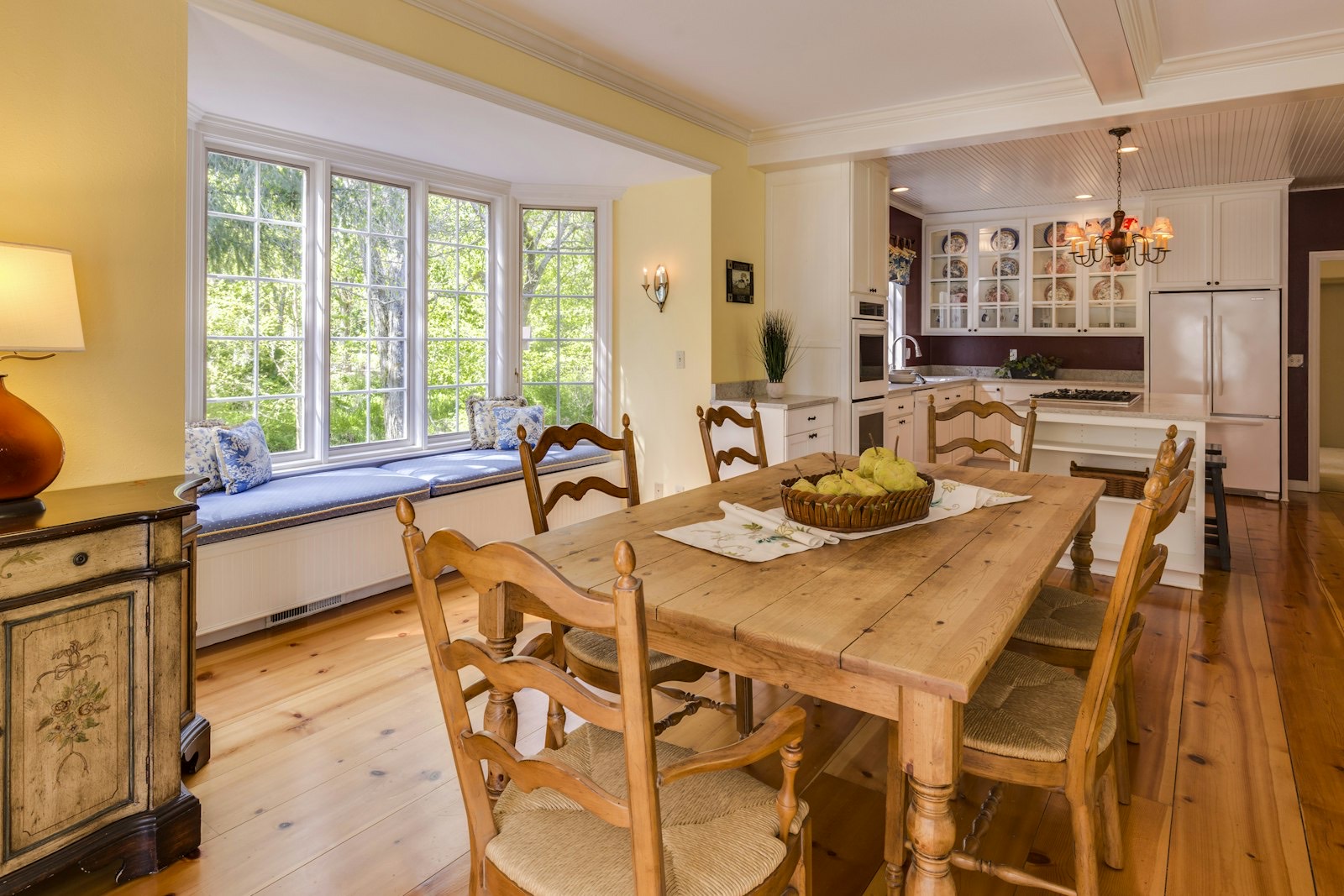
A dining bench looks like a simple way to seat more people. Sometimes it is, and sometimes it quietly seats fewer than the chairs it replaced.
The difference comes down to three numbers: the bench length, the seat height, and how far the table apron drops below the tabletop.
Here is how to size one properly, when a bench genuinely beats chairs, and where it does not.
How Long a Bench, and How Many People
Allow 20 to 24 inches of bench per adult. That is slightly tighter than the 24 inches a chair needs, which is where the extra capacity comes from — but only if nobody needs elbow room.
| Bench length | Adults | Children | Table length it suits |
|---|---|---|---|
| 42–48″ | 2 | 3 | 48–60″ |
| 54–60″ | 2–3 | 3–4 | 60–72″ |
| 66–72″ | 3 | 4 | 72–84″ |
| 78–84″ | 3–4 | 5 | 84–96″ |
Keep the bench 6 to 12 inches shorter than the table so it tucks fully underneath. A bench that matches the table exactly will foul the legs at both ends.
Start from the table, not the bench. Our dining table sizing guide covers the table length your room can take, and the bench follows from that.
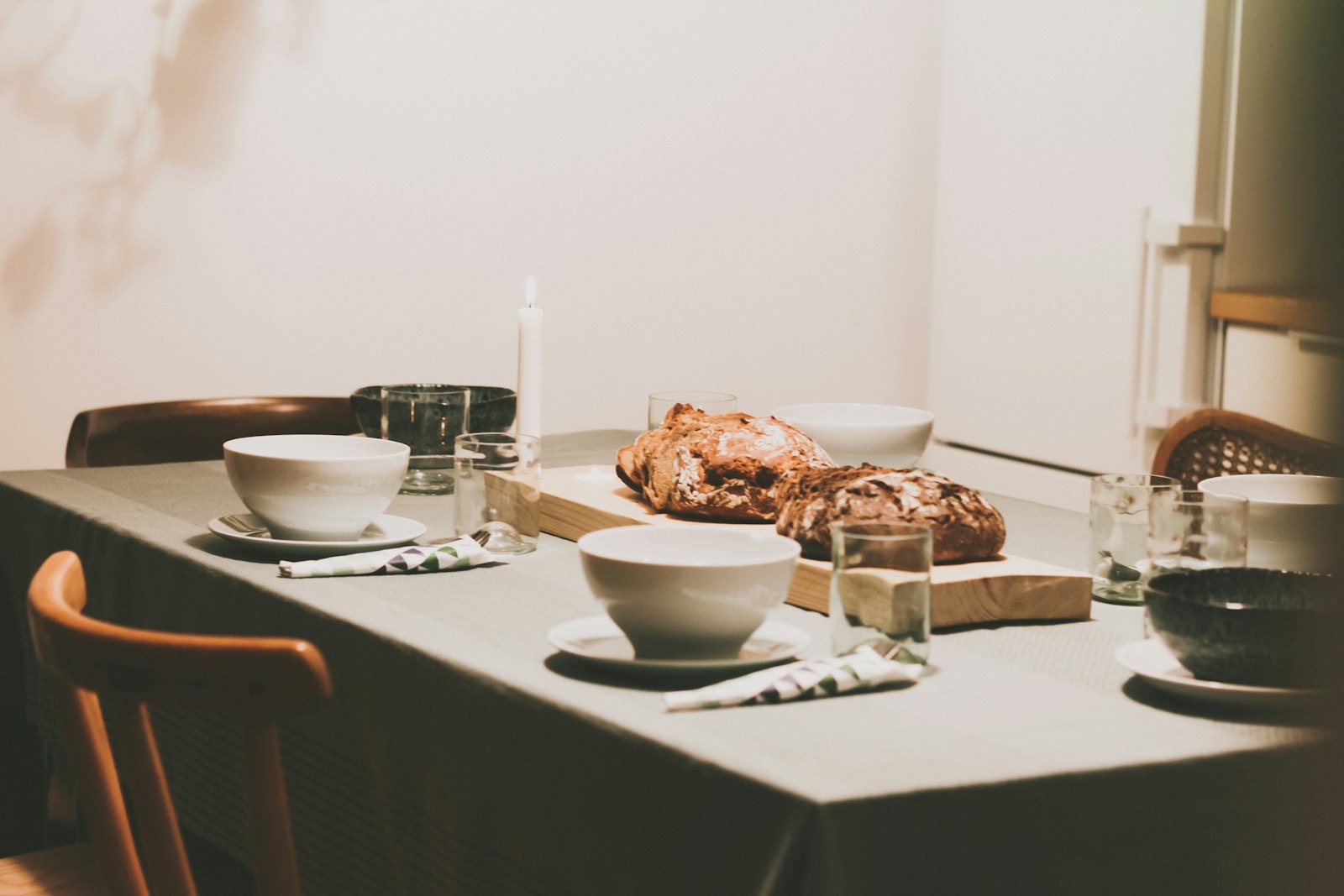
Seat Height and the Apron Problem
Dining bench seats run 17 to 19 inches high, the same range as dining chairs, giving 10 to 12 inches of clearance under a standard 30-inch table.
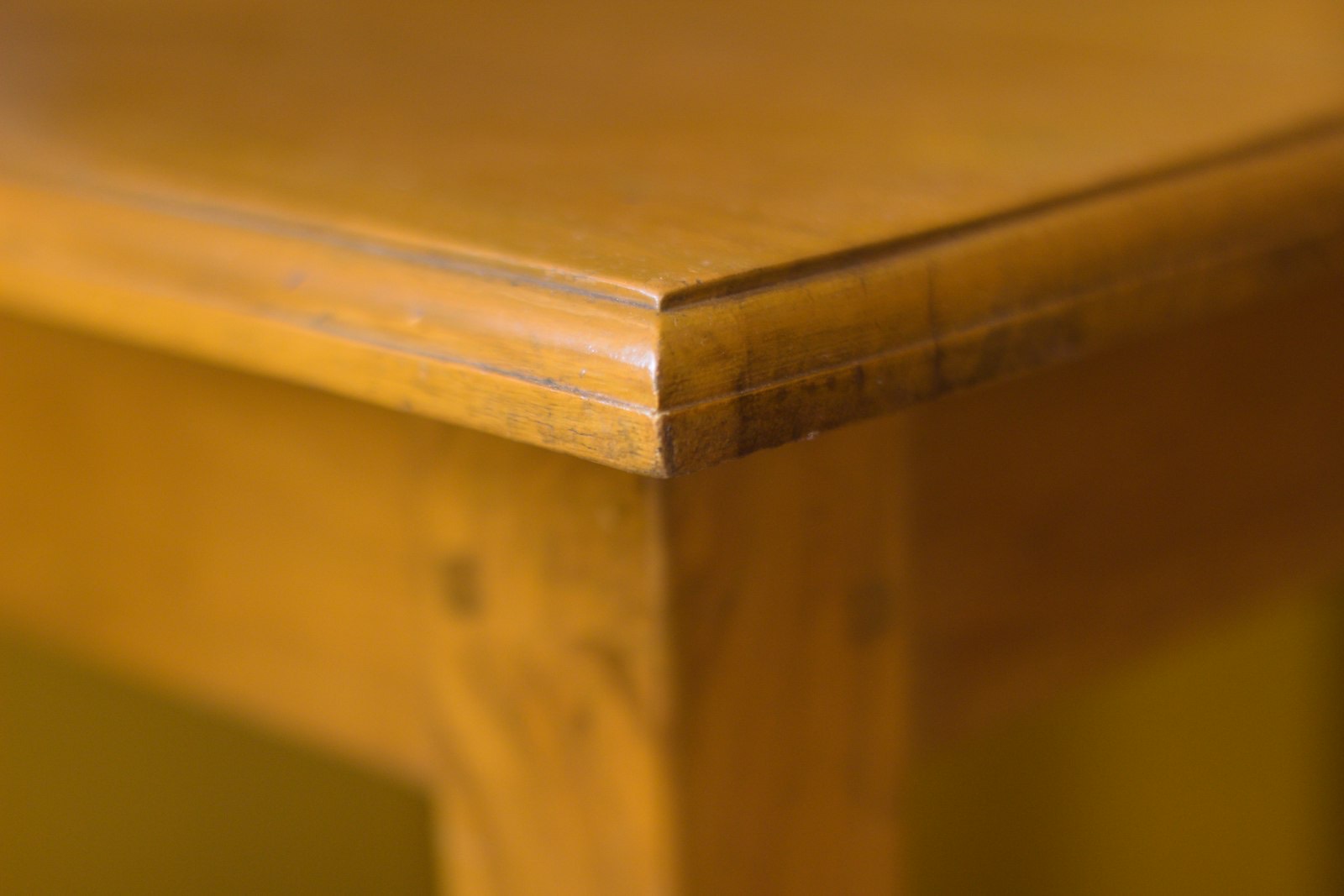
The catch is the apron — the rail beneath the tabletop. Many tables drop three to five inches, and a bench that tucks under a bare tabletop will not tuck under an aproned one.
- Measure from the floor to the bottom of the apron, not to the tabletop
- You want at least 1 inch of gap above the bench seat for it to slide under
- Trestle and pedestal tables are the friendliest, since there is no apron in the way
- Check whether the bench has a lip or upholstered edge that adds height
- If it will not tuck, the bench lives in the walkway permanently
A bench that tucks fully away is the whole point in a small dining room. One that does not is just a very long chair.
Our dining chair guide covers the same seat height and legroom maths from the chair side.
Bench or Chairs?
| Bench | Chairs | |
|---|---|---|
| Seats per foot | More — no arms, no gaps | Fewer |
| Comfort for long meals | Poor without a back | Good |
| Getting in and out | Awkward for the middle seat | Easy |
| Visual weight | Light; opens up a small room | Heavier |
| Storage when unused | Tucks fully under | Stays out |
| Older or less mobile diners | Unsuitable — no arms to push up on | Much better |
The honest answer for most homes is one bench and chairs opposite. The bench goes against the wall side where nobody needs to get up mid-meal, and chairs go on the open side.
Two benches works for families with young children and almost nobody else. The middle seat requires everyone to shuffle out, which is fine at eight and irritating at eighty.
Backed, Storage and Corner Benches
| Type | Best for | The trade-off |
|---|---|---|
| Backless | Tucking away; small rooms | No support for long meals |
| Backed / settle | Comfort; a bench used daily | Will not tuck under the table |
| Storage bench | Linens, placemats, board games | Lifting the lid means everyone stands |
| Corner banquette | Seating a lot in a small footprint | Built-in feel; hard to reconfigure |
| Upholstered | Comfort and warmth underfoot | Needs a cleanable fabric with children |
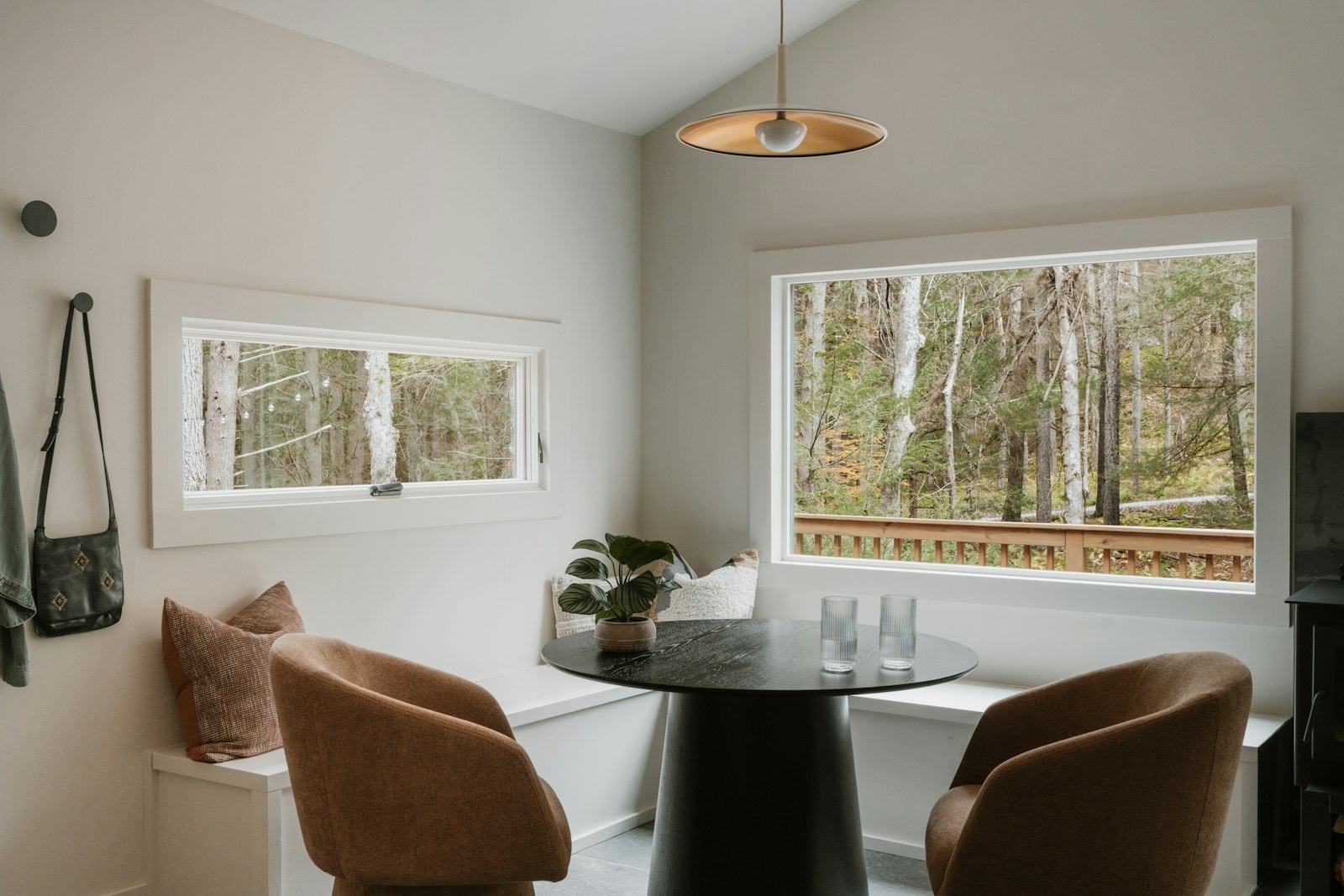
A corner banquette is the highest-capacity option per square foot, which is why restaurants use them. In a home it works best in a bay window or a genuine breakfast nook.
Storage benches sound better than they usually are. Anything under a hinged seat is only reachable when nobody is sitting down, so keep it for things you need twice a year.
For upholstery that survives family use, our furniture care guide explains cleaning codes, and our pet-friendly fabrics guide covers weaves that resist claws.
Floors Take the Punishment
Benches get dragged rather than lifted. A chair weighs fifteen pounds and gets picked up; a six-foot bench weighs sixty and gets shoved, several times a day, across the same strip of floor.
Felt pads on every foot, checked twice a year, are not optional on hardwood. The National Wood Flooring Association covers protecting a finish from furniture, and a bench is the piece most likely to test it.
An area rug under the table changes the calculation entirely — it also changes the seat height maths slightly. Our rug sizing guide covers how far a dining rug needs to extend past the table so a bench does not catch the edge.
Checking a bench before you buy it
Sit on it. A bench with a seat under 15 inches deep tips you forward; over 18 inches and shorter people cannot reach the backrest that is not there anyway.
Then push down on one end. A well-built bench has a centre leg or a stretcher on anything over 54 inches, and without one the seat will flex and eventually sag in the middle.
Frequently Asked Questions
How long should a dining bench be?
Six to twelve inches shorter than the table so it tucks underneath without fouling the legs. A 72-inch table takes a 60 to 66-inch bench, which seats three adults comfortably.
How many people fit on a dining bench?
Allow 20 to 24 inches per adult, so a 60-inch bench seats two comfortably or three at a squeeze. Children need roughly 15 to 18 inches each, which is where a bench really earns its place.
What height should a dining bench be?
Seventeen to nineteen inches, matching dining chairs. That leaves 10 to 12 inches of thigh clearance under a standard 30-inch table — but check the apron depth, not just the tabletop height.
Are dining benches comfortable?
For a thirty-minute weeknight meal, yes. For a three-hour holiday dinner, a backless bench is noticeably less comfortable than a chair, and it is unsuitable for anyone who needs arms to stand up.
Should I use one bench or two?
One bench and chairs opposite suits most households. Put the bench on the wall side where nobody needs to leave mid-meal, and keep the chairs where people actually get up.

Measure the Apron First
Before anything else, measure from your floor to the underside of the table apron. That single number decides whether a bench will tuck away or live in the walkway forever.
Our dining room furniture range in Newport News covers tables, benches and chairs, and you can sit on the combination before deciding.
Planning the room? See our guides to dining table sizes and clearances, buffets, sideboards and china cabinets, and hanging a light over a dining table.
Benches elsewhere in the house work differently — our ottoman and bench sizing guide covers bedroom and entryway benches, and our entryway storage guide covers the hall version.
Check clearance and specials, spread the cost with no-credit furniture financing, or send our Newport News team your table measurements.