Most furniture does not wear out. It gets ruined — by sunlight, by humidity swings, or by the wrong thing being used to clean a spill in the first thirty seconds.
On the Virginia coast, humidity is the one that does the quiet damage, because it works slowly enough that nobody connects the cause to the effect.
Here is what each material actually needs, and what to do in the moment something goes wrong.
Humidity: The One That Matters Most Here
Wood moves with the moisture in the air. It absorbs it and swells; it releases it and shrinks. Damage comes from the swing, not from any particular level.
| Indoor humidity | What happens to wood furniture |
|---|---|
| Below 30% | Shrinkage; joints loosen; panels split |
| 35–55% | The target range — minimal movement |
| 60–70% | Swelling; drawers and doors stick |
| Above 70% | Mildew risk on upholstery and in closed cabinets |
Hampton Roads summers routinely sit above that range. A dehumidifier in a closed room does more for your furniture than any polish, and it prevents the mildew problem that closed cabinets and stored cushions are prone to.
Winter brings the opposite problem once heating is running. Sticking drawers in August and loose joints in February are the same piece of furniture responding to two extremes.
Regional extension services publish practical, non-commercial guidance on managing indoor moisture — University of Maryland Extension covers the Chesapeake climate, which is effectively the same as ours.
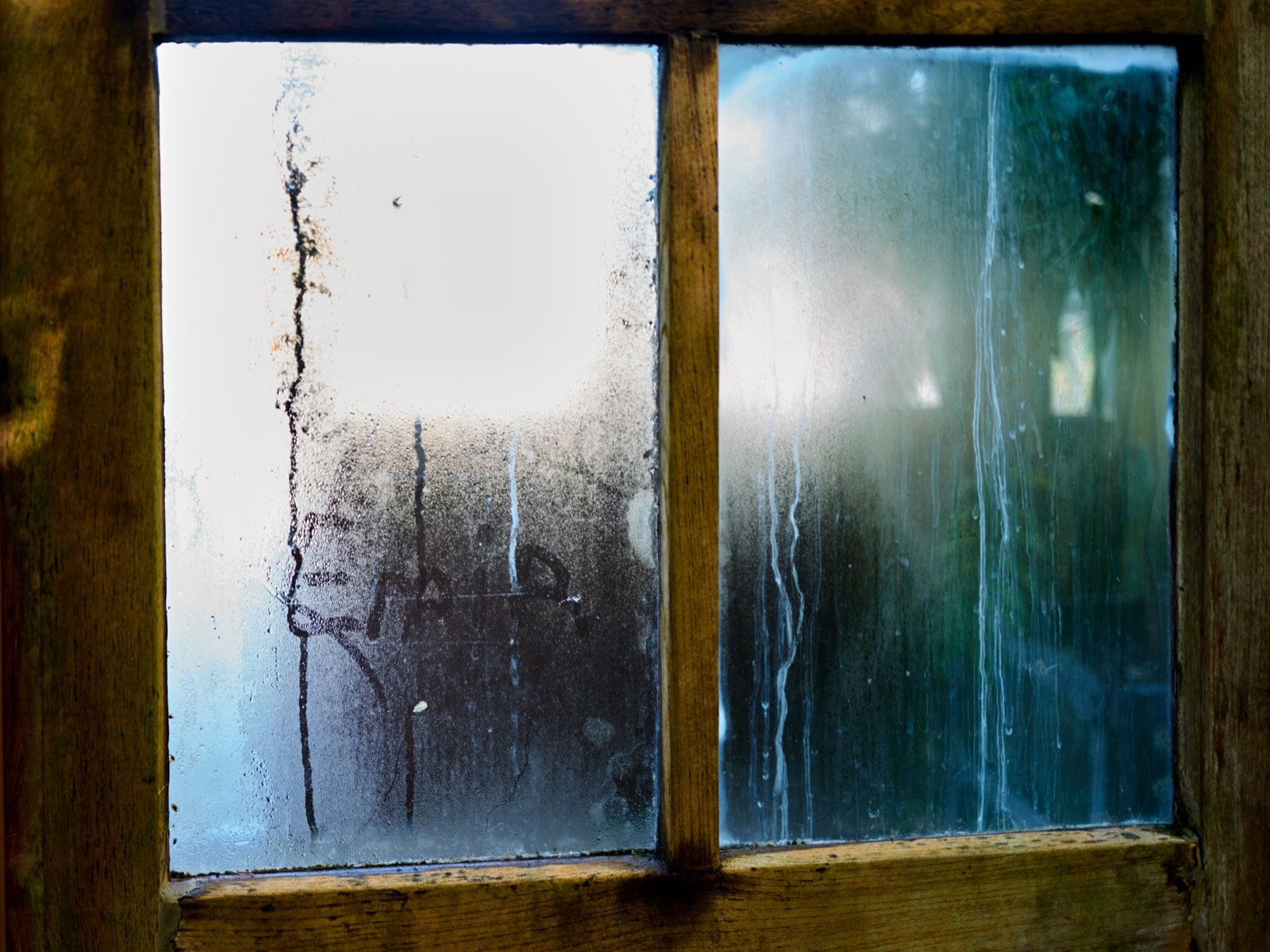
Wood
- Dust with a soft, lint-free cloth, wiping along the grain rather than across it
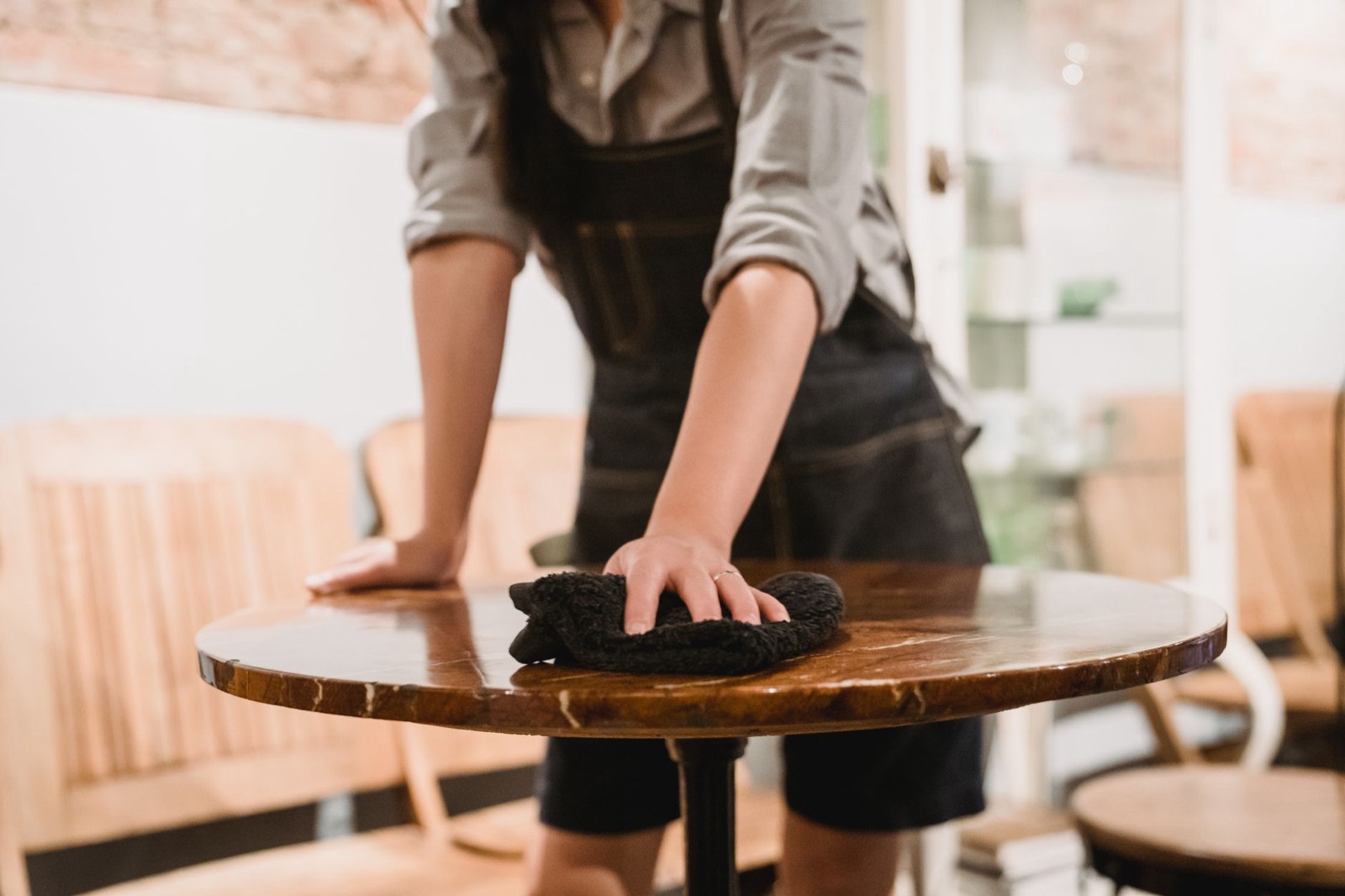
- Use a barely damp cloth for marks, then dry immediately — never leave moisture sitting
- Polish or wax occasionally, not constantly; build-up dulls a finish over time
- Keep it out of direct sun, which bleaches unevenly and dries the finish
- Use coasters and felt pads; water rings in an unsealed finish are permanent
- Lift furniture to move it — dragging racks the joints
Avoid silicone-based sprays on good wood. They produce an instant shine and make later refinishing considerably harder, because the silicone penetrates the surface.
Engineered wood needs the same protection from standing water, with one difference: damage cannot be sanded out. Our dresser guide covers how the materials differ.
Upholstery
The single most useful habit is what you do in the first minute of a spill.
| Do | Don’t |
|---|---|
| Blot immediately with a clean, dry white cloth | Rub — it drives the spill into the fibres |
| Work from the outside edge inward | Start in the middle and spread it outward |
| Use cool water if any is needed | Use hot water, which sets many stains permanently |
| Test any cleaner on a hidden section first | Apply cleaner directly to a visible area |
| Check the manufacturer’s cleaning code | Assume all fabrics tolerate water-based cleaners |
Use a white cloth specifically — a coloured one can transfer dye into damp fabric and turn a small spill into a larger problem.
Beyond spills: vacuum upholstery regularly, rotate and flip loose cushions so they wear evenly, and have upholstered pieces professionally cleaned roughly once a year.
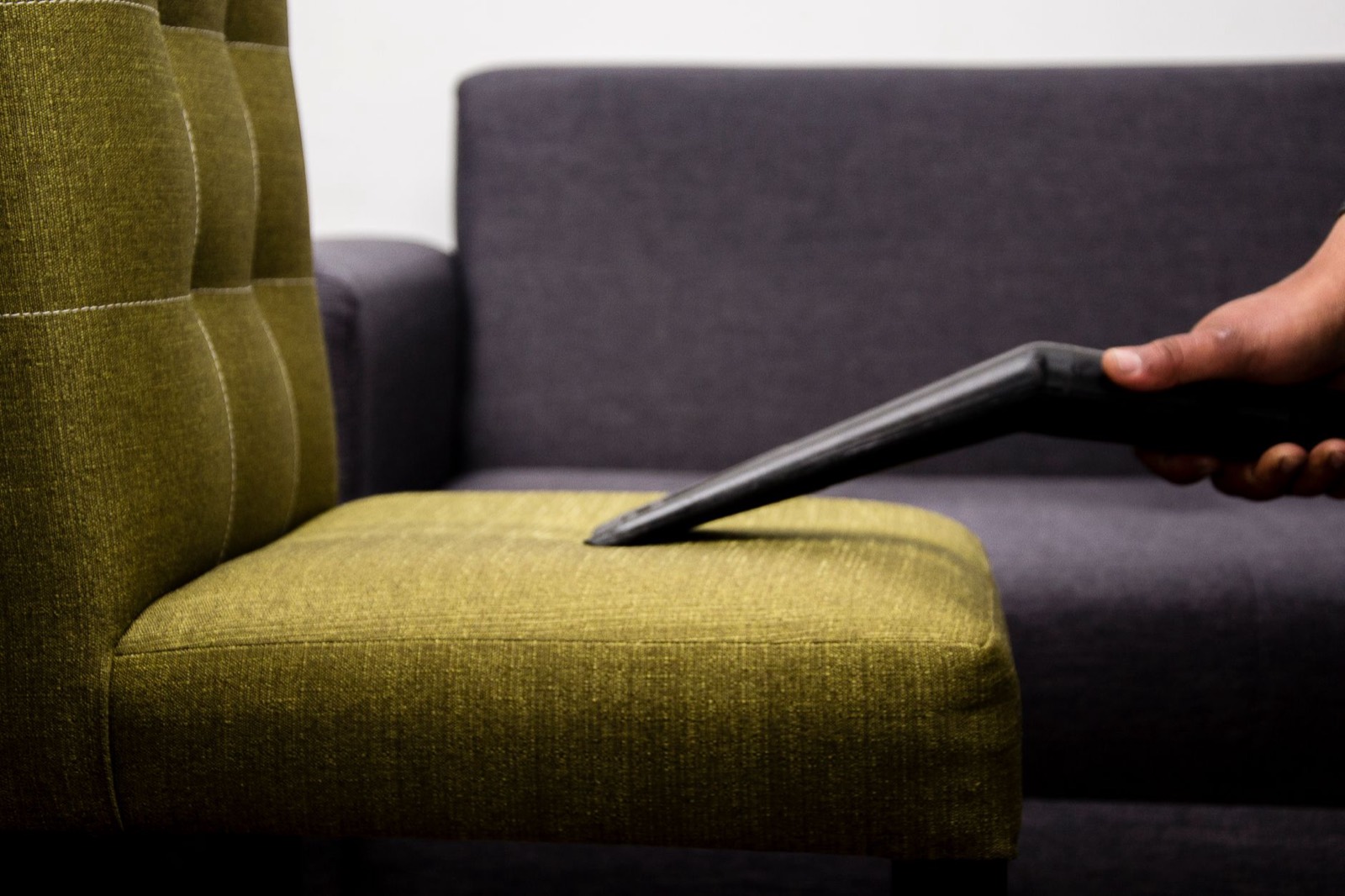
Leather
Leather is the most forgiving material in daily use and the least forgiving of the wrong products.
- Dust with a soft cloth, or vacuum with a soft brush attachment
- Clean with a product made for leather — never household surface sprays
- Condition every six to twelve months to keep it supple
- Blot spills at once; leather absorbs quickly
- Keep it away from direct heat sources, which dry and crack it
- Expect a patina — that is the material behaving correctly, not wearing out
Avoid solvents, alcohol wipes and anything abrasive. They strip the protective finish, and the damage shows as a dull patch that cannot be restored at home.
Bonded leather is a different material despite the name and will eventually peel regardless of care — worth knowing before buying, as covered in our recliner guide.
A Maintenance Calendar
| How often | What to do |
|---|---|
| Weekly | Dust wood; vacuum upholstery; plump and rotate cushions |
| Monthly | Check for wobble; tighten any loose fixings |
| Seasonally | Rotate rugs and cushions so fading is even; check humidity |
| Twice a year | Condition leather; re-tighten bed frames and dining chairs |
| Annually | Professional upholstery clean; inspect anti-tip anchors |
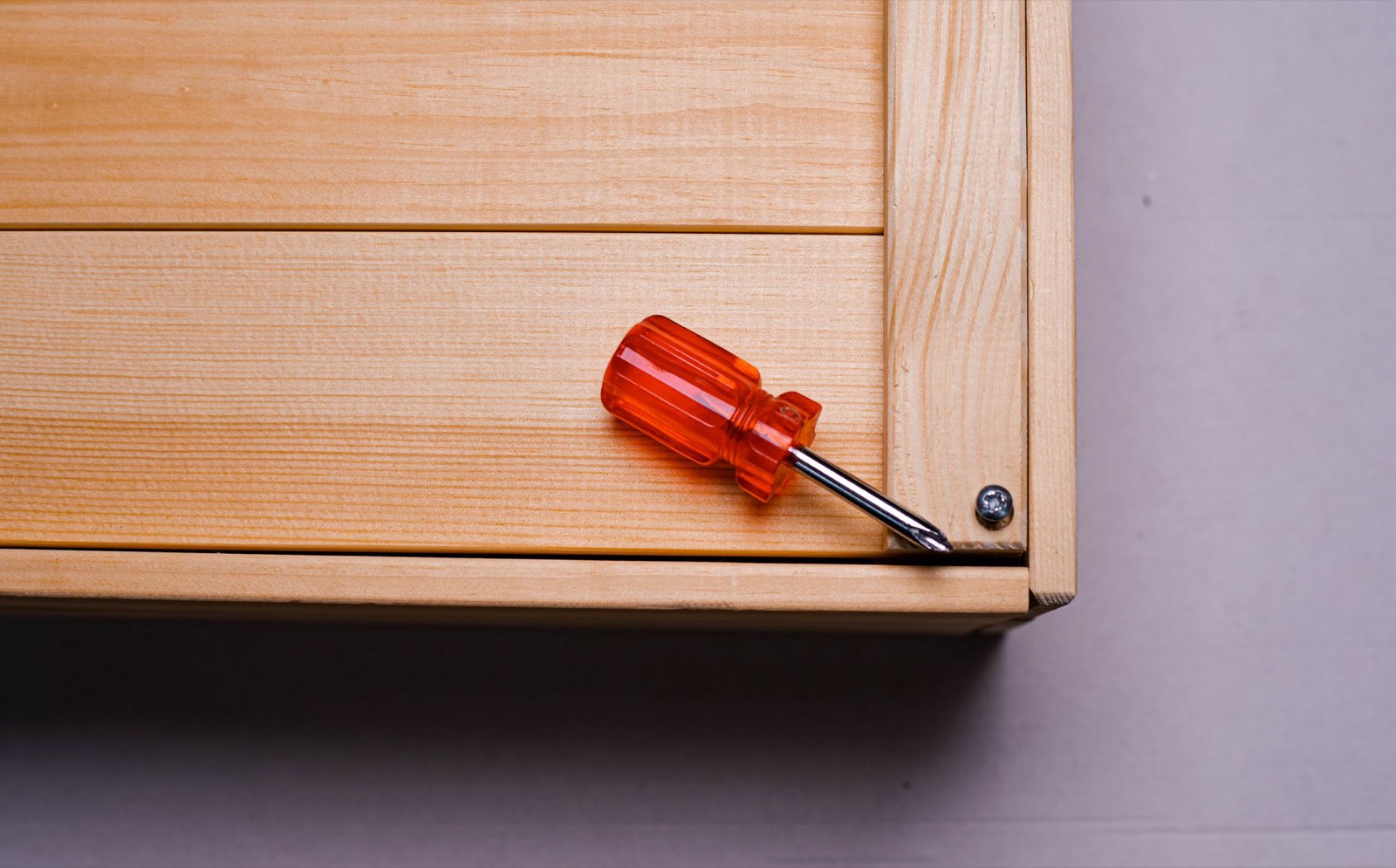
The monthly wobble check is the highest-value item on that list. Loose fixings are what turn into split joints, and tightening a bolt takes seconds while replacing a frame does not.
Rotate anything that sits in sunlight. Rugs, cushions and wood tops all fade, and even fading across a piece is invisible while a bleached stripe never stops being obvious.
Reading the Cleaning Code
Upholstered furniture carries a cleaning code on its label, and using the wrong type of cleaner is how most fabric damage happens.
| Code | Means | Use |
|---|---|---|
| W | Water-based cleaners are safe | Mild soap and cool water |
| S | Solvent only — water will stain | Dry-cleaning solvent; never water |
| WS | Either is safe | The most forgiving; most performance fabrics |
| X | Vacuum only | No liquid at all; professional cleaning only |
The code is usually printed on a tag under the seat deck or beneath a cushion. Photograph it when the furniture arrives — the tag is always missing when you actually need it.
An “S” code on a family sofa is worth knowing about before the first spill rather than after. If you have children or pets, it is a reason to choose a “W” or “WS” fabric in the first place.
Frequently Asked Questions
What humidity is best for wood furniture?
Between 35 and 55 percent. Damage comes from swinging between extremes rather than from any single reading, which is why a dehumidifier in summer and moderate heating in winter both help.
How do I get a spill out of upholstery?
Blot immediately with a clean, dry white cloth, working from the outside of the spill inward. Never rub, and never use hot water — it sets many stains permanently.
How often should leather furniture be conditioned?
Every six to twelve months, using a product made for leather. More often than that is unnecessary and can leave a residue that attracts dust.
Why do my drawers stick in summer?
Wood absorbs moisture from humid air and swells. It is normal seasonal movement rather than a fault, and it usually resolves once indoor humidity drops. Persistent sticking suggests the room needs dehumidifying.
Is furniture polish necessary?
Occasionally, not routinely. Regular dusting matters far more, and frequent polishing builds up residue. Avoid silicone-based products entirely on furniture you may want refinished later.
Ask Before You Buy, Not After
Care requirements vary enormously between finishes and fabrics that look identical. The time to find out is before the piece is in your house.
Our team can tell you the cleaning code and finish type for anything in our living room, bedroom and dining room ranges in Newport News.
Choosing materials with care in mind? Our guides to dressers, sectionals and accent chairs all cover upholstery durability, and our outdoor furniture guide deals with the harsher coastal conditions outside.
Mattresses have their own care requirements — see the mattress construction comparison for how support affects lifespan.
Browse clearance and specials, or ask our Newport News team which finishes hold up best in a coastal home.