Children’s furniture gets bought for the child they are now and used by the child they become. That mismatch is why so much of it ends up in a garage after three years.
The pieces that survive are the ones sized to the room rather than to a phase, with storage a child can actually reach.
Here is how to size desks, dressers and storage by age, and which decisions are worth making once rather than three times.
Desk and Chair Height by Age
The target is simple: feet flat on the floor, elbows resting at roughly a right angle, shoulders relaxed. Everything else follows from the child’s height rather than their age.
| Child height | Rough age | Desk height | Chair seat height |
|---|---|---|---|
| 40–44″ | 4–5 | 18–20″ | 10–12″ |
| 45–51″ | 6–8 | 22–24″ | 12–14″ |
| 52–57″ | 9–11 | 24–26″ | 14–16″ |
| 58–64″ | 12–14 | 26–29″ | 16–18″ |
| Over 64″ | 15+ | 29–30″ (adult) | 17–19″ |
A desk that is too high makes a child raise their shoulders and crane their neck. Too low and they slouch forward. Both are worth avoiding during years of homework.
An adjustable-height desk and chair is genuinely the better buy here. A child passes through three of the rows above between starting school and finishing it.
If the feet do not reach the floor at the right desk height, a simple footrest solves it — that is preferable to lowering the desk and cramping the knees.
Storage That Matches the Age
The rule that makes tidying possible: a child can only put things away in storage they can reach unaided.
| Age | Storage that works | Why |
|---|---|---|
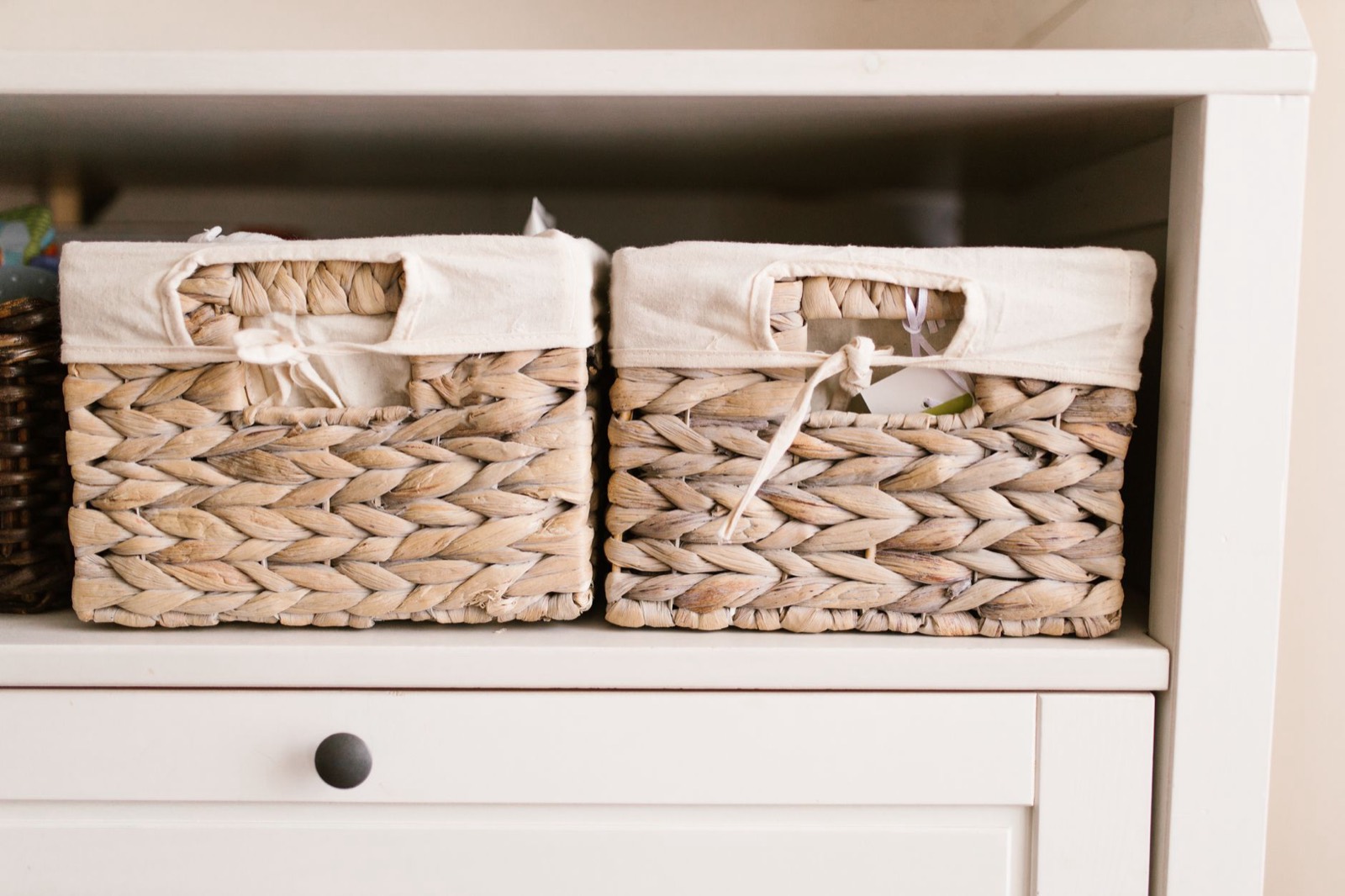
| Toddler to 4 | Open low bins and cubbies | No lids, no drawers to trap fingers; visible contents |
| 5–7 | Low dresser, under-bed drawers, low bookshelf | Everything within reach without climbing |
| 8–11 | Standard dresser, desk drawers, taller bookcase | Can manage drawers and organise independently |
| 12+ | Full-height wardrobe or chest, closed storage | Privacy matters; volume of belongings increases |
Under-bed drawers are the most efficient storage in any child’s room. They use dead space, need no extra floor area, and suit every age from four upward.
Sizing a Dresser for a Child’s Room
Children’s dressers are frequently the same dimensions as adult ones — around 42 to 60 inches wide, 16 to 20 inches deep and 30 to 36 inches tall.
What differs is height relative to the user. A dresser whose top drawer sits above a child’s shoulders is a dresser they will never use, and one they may try to climb.
- Under age eight, choose a lower, wider chest over a tall one
- Allow 24 inches of clear floor in front so drawers open fully
- Prefer drawers with soft-close runners or finger-pinch protection
- Look for rounded corners at head height for the age using the room
- Check the drawers cannot be pulled fully out and dropped
Our dresser buying guide covers construction quality — dovetail joints, metal glides, dust panels — which matters more in a child’s room than anywhere else, because the drawers get opened harder and more often.
Anchoring: The Non-Negotiable Part
Every dresser, chest, bookcase and tall storage unit in a child’s room must be strapped to the wall. Not the heavy ones. All of them.
An open drawer shifts a chest’s centre of gravity dramatically forward, and children climb drawers like a staircase. Tip-overs cause serious injuries every year, and the anti-tip strap in the box costs nothing to fit.
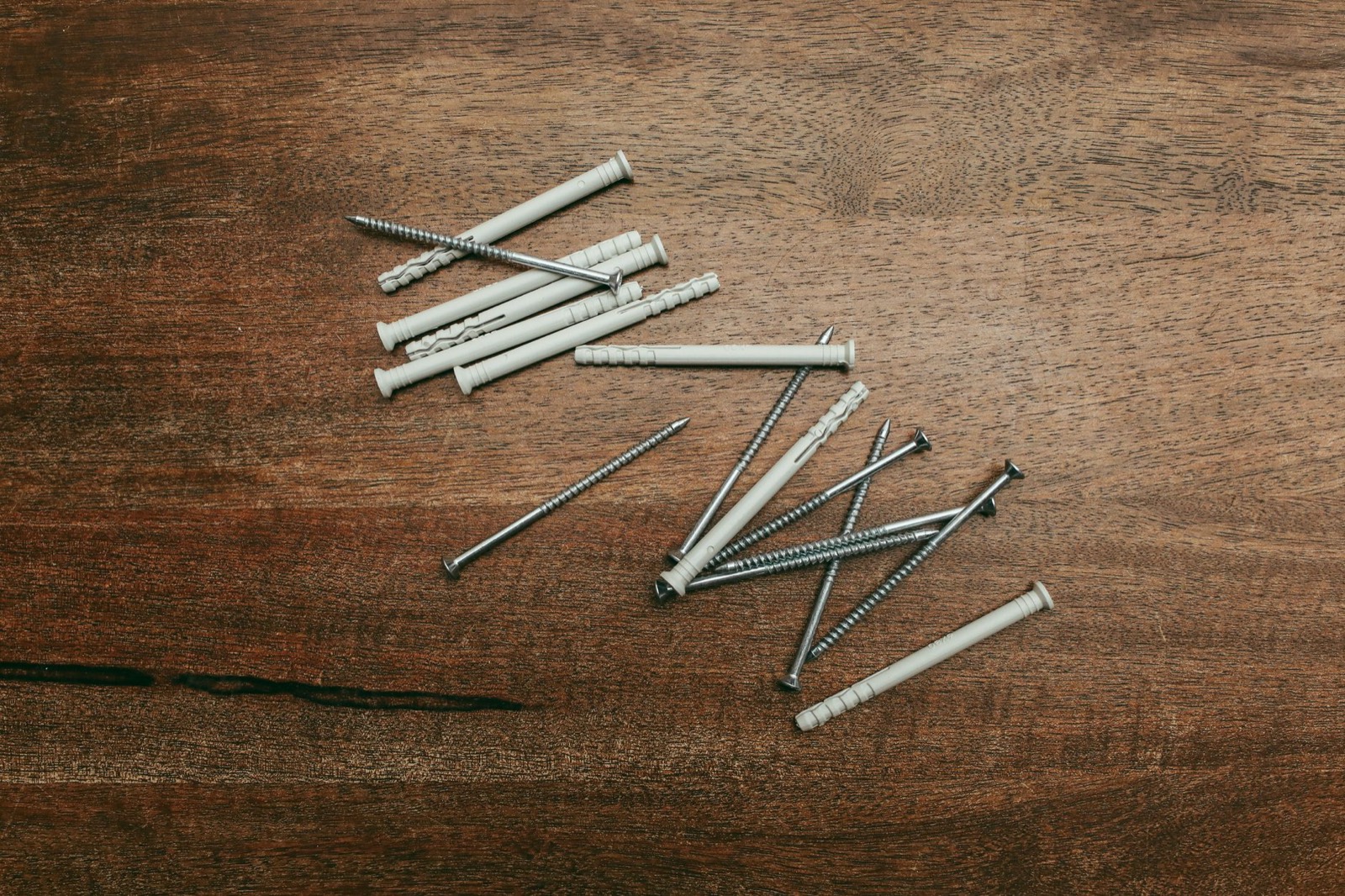
- Fit the supplied anti-tip bracket into a wall stud, not just drywall.
- Keep televisions off dressers — use a low, wide stand designed for them.
- Put heavy items in the bottom drawers to lower the centre of gravity.
- Keep tempting objects — remotes, toys, treats — off the top of tall furniture.
- Re-check fixings twice a year as fittings work loose.
Broader guidance on childproofing a bedroom is worth reading alongside this — KidsHealth’s parent resources cover the room as a whole rather than just the furniture in it.
Buying Furniture That Lasts
| Decision | Buy once | Expect to replace |
|---|---|---|
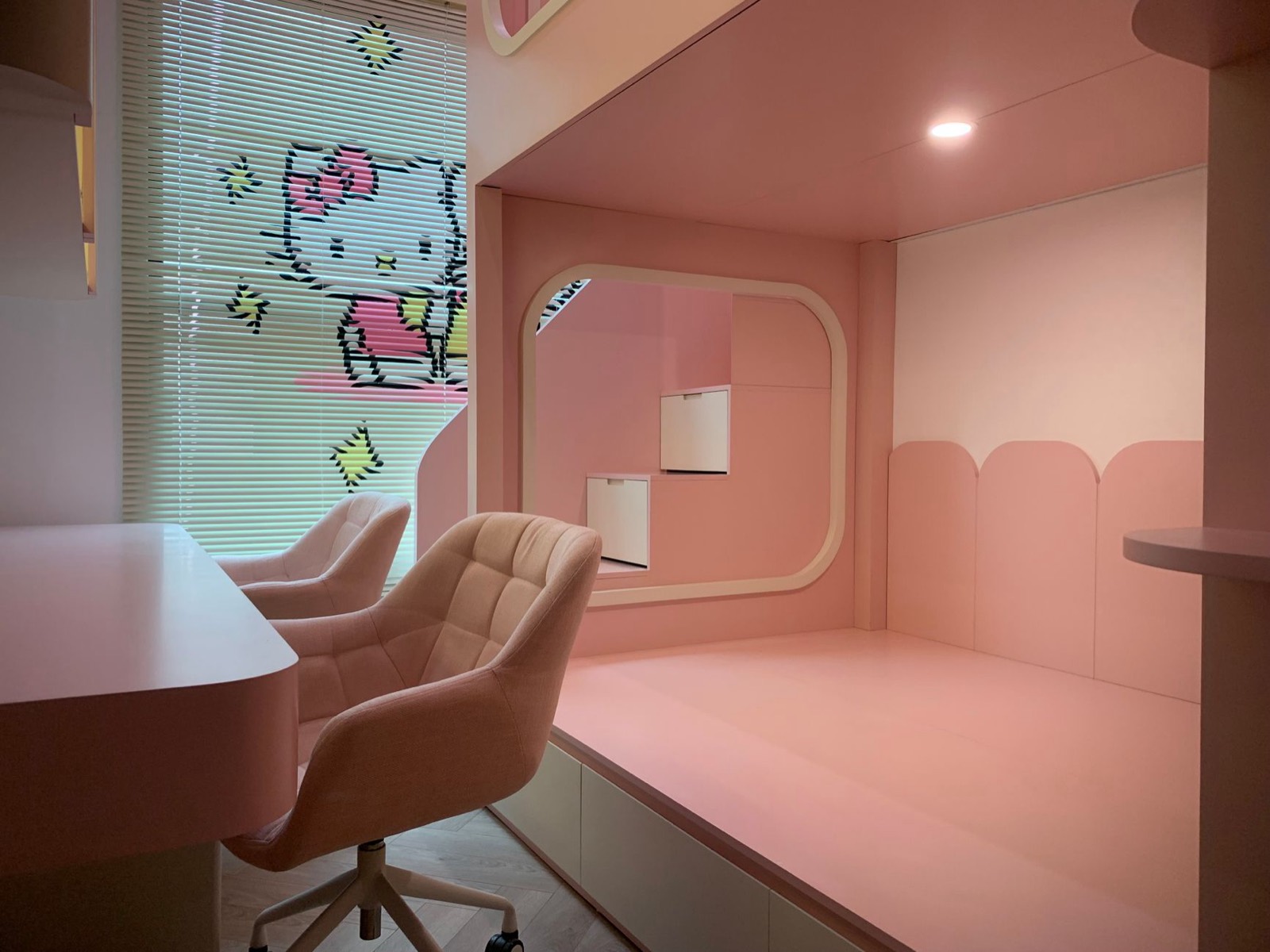
| Bed frame | Full or twin in a neutral finish | Themed or character beds |
| Dresser | Solid, neutral, adult-scale | Novelty shapes and bright colours |
| Desk | Height-adjustable | Fixed low desks |
| Bookcase | Adjustable shelves | Fixed cubby units sized for toys |
| Decor and bedding | — | This is where themes belong |
Put the personality into bedding, wall art and lighting, which cost little to change. Keep the furniture itself neutral and it will follow the child from age five to eighteen.
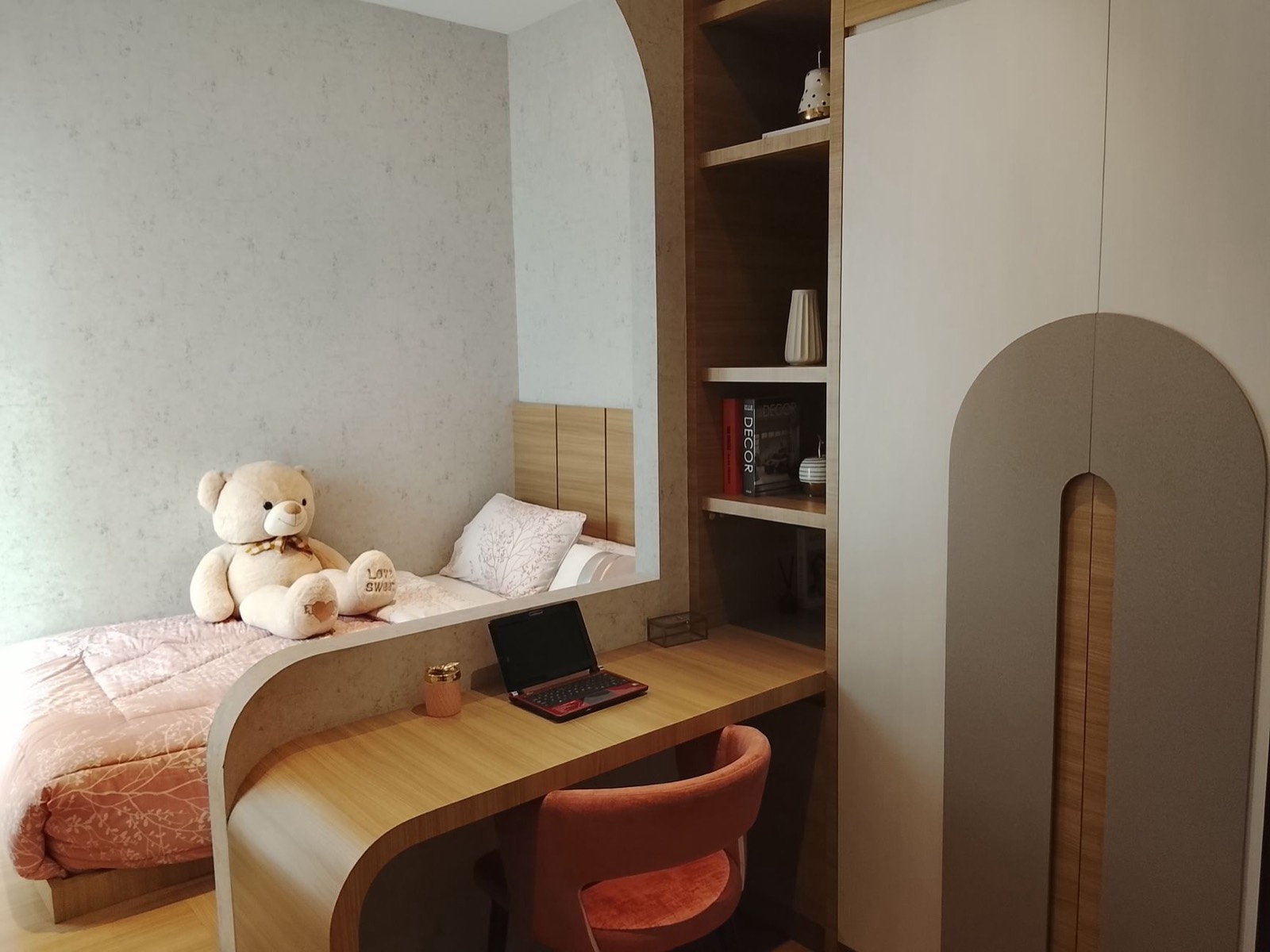
Laying out a small child’s room
Children’s bedrooms are usually the smallest in the house, and floor space matters more than in any other room because it is where they play.
- Push the bed into a corner rather than centring it on a wall — it can reclaim several feet of clear floor
- Go vertical with shelving above adult reach for things you control access to
- Choose a desk that sits under a window where possible; daylight beats a lamp
- Keep the middle of the room empty; that space is the point
- Avoid furniture behind the door swing, which is wasted space in a small room
One deliberate compromise is usually worth making: fewer, larger storage pieces beat several small ones. They hold more, look calmer, and leave more uninterrupted floor.
For the sleeping side of the room, our bunk bed buying guide covers guardrails and mattress thickness, and the mattress size chart explains why twin suits most children until their teens.
Frequently Asked Questions
What height desk does a child need?
It depends on height rather than age. A child of 45 to 51 inches needs roughly a 22 to 24 inch desk; one of 52 to 57 inches needs 24 to 26. Elbows should rest at about a right angle with feet flat.
Should I buy kid-sized or adult-sized furniture?
Adult-scale for storage, child-scale for seating and desks. A neutral dresser works for decades; a chair or desk sized for a five-year-old will not fit an eight-year-old.
How do I stop furniture tipping over?
Strap every chest, dresser and bookcase to a wall stud using the supplied anti-tip bracket, keep heavy items in the lowest drawers, and never place a television on a dresser.
What is the best storage for a small kids room?
Under-bed drawers, followed by a low wide chest and wall-mounted shelving above reach height for adult-managed items. All three use space the room already has.
When should a child move to a full-size bed?
Usually in the early teens, when a 75-inch twin starts to feel short. A twin XL at 80 inches is often the better next step, since it adds length without taking more floor width.
Plan for the Room, Not the Year
Bring the room dimensions and your child’s height. Those two numbers decide almost everything, and they keep you from buying twice.
Our kids furniture range in Newport News covers beds, dressers, desks and storage, with anti-tip hardware included and neutral finishes that outlast a phase.
Sizing pieces individually? See our guides to choosing a dresser, nightstand heights and bunk bed safety, or browse the wider bedroom furniture range for adult-scale pieces in neutral finishes.
Check current kids furniture deals and clearance and specials, spread the cost with no-credit furniture financing, and see our delivery guide.
Furnishing a shared room or an awkward layout? Send our Newport News team the dimensions and we will suggest what fits.